


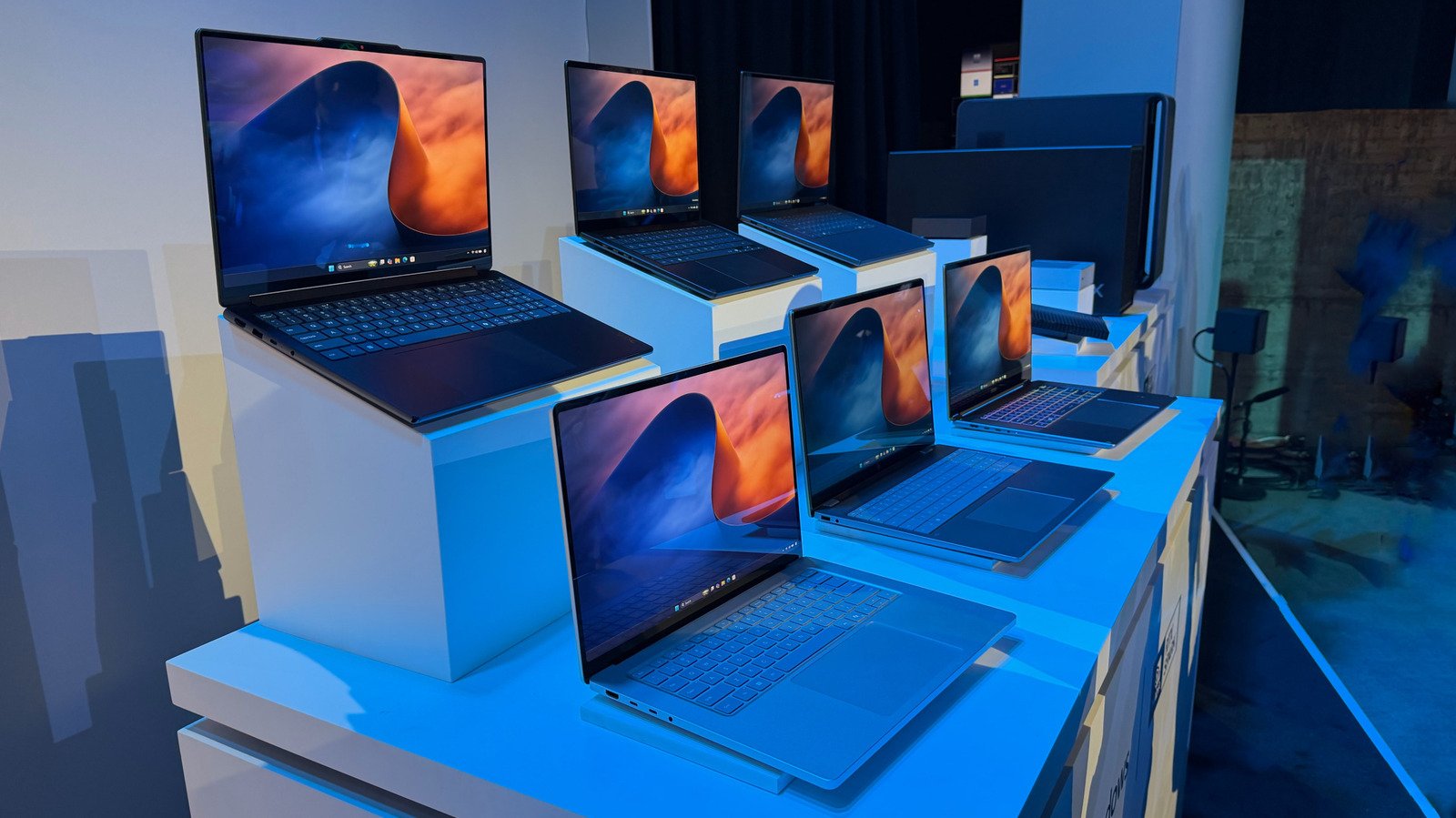
New RTX Spark Chips Revolutionize Windows Performance
The landscape of mobile computing is undergoing a massive transformation with the introduction of the RTX Spark processor. Designed to bridge the gap between Windows PCs and Apple Silicon, this system-on-a-chip architecture combines powerful Arm CPU cores with Nvidia’s cutting-edge Blackwell GPU technology. For many, this represents the first credible effort to bring unified memory benefits to high-end Windows laptops. By consolidating these components onto a single die, the hardware achieves a level of efficiency that was previously difficult to reach in the Windows ecosystem.
Nevertheless, the arrival of the RTX Spark is not just about catching up to existing market trends. It is about creating a foundation for the next generation of AI-driven applications that require high local compute power. Furthermore, the chip is designed to accommodate up to 128GB of LPDDR5x memory, which is essential for handling large-scale machine learning models directly on the device. This capability could fundamentally change how developers and creative professionals interact with their machines on a daily basis.
Why RTX Spark Changes the Mobile Game
One of the most impressive aspects of the RTX Spark is its power-to-performance ratio. During recent demonstrations, Nvidia highlighted that the chip provides significant power savings compared to traditional setups involving Intel processors and dedicated graphics cards. This efficiency is crucial for users who demand high performance while traveling. Consequently, the ability to game or render 3D content at 60 watts without draining a battery in minutes is a major breakthrough for the industry. You can see more details about this shift in power management on Microsoft’s hardware blog.
Specifically, the RTX Spark includes advanced Blackwell video engines that support high-quality encoding standards. This ensures that even users who do not prioritize local AI will benefit from smoother video playback and faster rendering times. Additionally, the inclusion of fourth-gen ray tracing cores makes this chip a surprisingly capable gaming platform. Despite the focus on enterprise and AI, the gaming potential of this hardware is clearly a top priority for Nvidia’s engineering team.
The Long-Term Impact of RTX Spark
Ultimately, the adoption of RTX Spark could lead to a broader transition toward Arm-based SoCs across the entire Windows product line. While the low-end market is already served by existing Qualcomm chips, this new offering targets the high-performance segment with precision. Moreover, the success of these laptops will likely dictate how quickly other manufacturers pivot their product roadmaps. If these systems can deliver on their promises of efficiency and power, the traditional laptop market may look very different within just a few years. It is a bold step that signals a new era for portable computing performance.
Rtx Spark Market Impact and Industry Significance
The introduction of Rtx Spark represents a pivotal shift in modern technological adoption across enterprise and consumer sectors alike. Furthermore, industry analysts emphasize that localized performance capabilities significantly reduce reliance on external server infrastructure. Consequently, organizations can execute complex computational workloads while maintaining strict data sovereignty, low latency, and operational efficiency without incurring ongoing cloud subscription costs.
Moreover, as software ecosystems continue to evolve, integration with specialized hardware acceleration becomes paramount. Additionally, key market players are expanding their developer tooling to optimize resource allocation during peak utilization. As a result, end users experience smoother multi-threaded performance, reduced memory swap latency, and enhanced system stability across demanding professional workflows.
