


Nvidia RTX Spark Targets Pro AI Workloads at High Cost
The emergence of the Nvidia RTX Spark platform signals a major shift in how researchers and developers handle local AI compute. By packing up to 128 GB of unified memory into a sleek chassis, these machines aim to solve the memory constraints that typically plague mobile hardware. However, this level of performance comes with a steep entry price, starting at $2,600 and scaling rapidly for top-tier specs. Consequently, these laptops are positioned as specialized tools for professionals rather than general-purpose consumer devices.
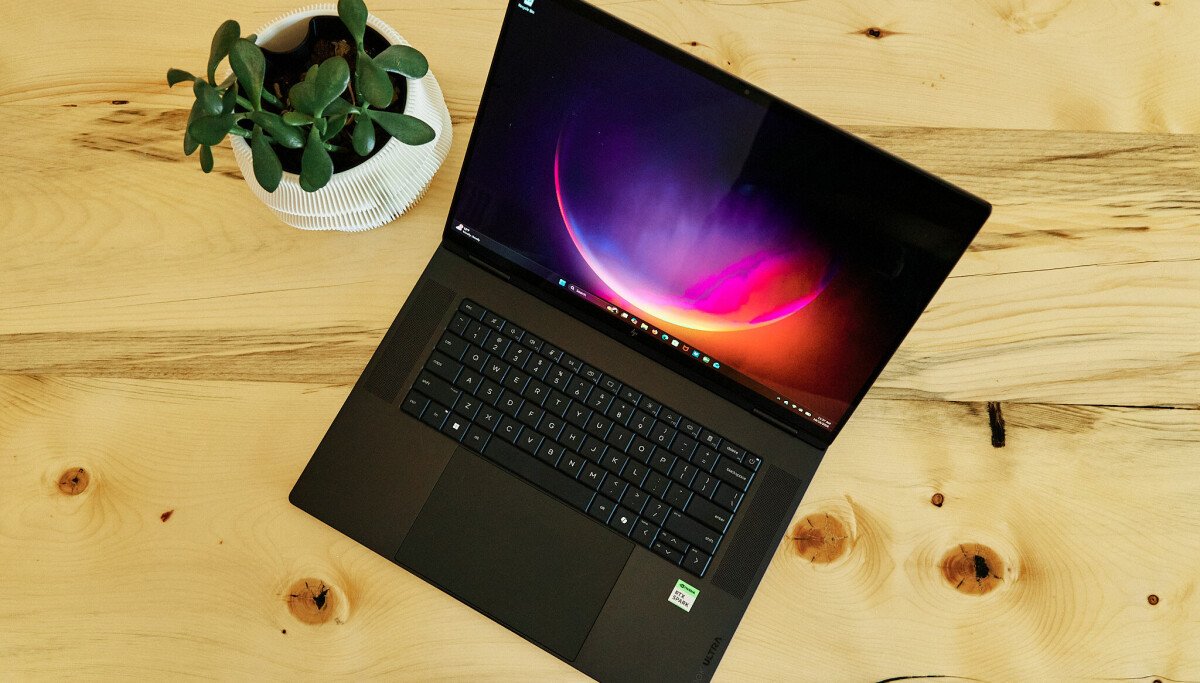
During our evaluation of the HP OmniBook Ultra, it became clear that the Nvidia RTX Spark design is meant for those who need to run agentic AI models without cloud dependencies. The hardware handles heavy parallel processing with ease, making it a viable alternative for users who want to avoid the limitations of Apple’s ecosystem. Furthermore, the integration of the CUDA software suite provides a significant advantage for developers who rely on established AI libraries. Therefore, the higher price tag essentially functions as a premium for professional-grade stability and compatibility.
The Physical Engineering of Nvidia RTX Spark
Hardware enthusiasts will appreciate the engineering efforts put into the Nvidia RTX Spark chassis. The inclusion of a 16:10 OLED display ensures that creative professionals have enough vertical screen real estate for complex software interfaces. Additionally, the thermal management system is robust, directing heat away from the keyboard deck to keep the user comfortable during heavy compute loads. While the heat generation is unavoidable with such powerful internal components, the venting design effectively mitigates the impact on daily usage.
Specifically, the keyboard and trackpad experience on these machines feels far more substantial than the thin, clicky alternatives found on most modern thin-and-light laptops. The haptic trackpad provides excellent feedback, and the keyboard offers a crisp, traditional feel that is refreshing for power users. Meanwhile, the audio quality provided by the four Cirrus Logic amplifiers is highly capable, even if it falls slightly short of the industry-leading standards set by competitors. Overall, the Nvidia RTX Spark represents a sophisticated balance of power and portability for the right user.
Is the Nvidia RTX Spark Worth the Investment?
Deciding if the Nvidia RTX Spark is the right choice requires an honest assessment of your specific AI requirements. For researchers and AI enthusiasts, the ability to iterate locally is invaluable. Conversely, if your needs are mostly web-based or involve light productivity, the cost is difficult to justify. You can learn more about how these chips compare to previous generations by checking out resources at Tom’s Hardware. Ultimately, this platform is a powerful, if expensive, step forward for local machine learning capabilities.
Nvidia Rtx Spark Market Impact and Industry Significance
The introduction of Nvidia Rtx Spark represents a pivotal shift in modern technological adoption across enterprise and consumer sectors alike. Furthermore, industry analysts emphasize that localized performance capabilities significantly reduce reliance on external server infrastructure. Consequently, organizations can execute complex computational workloads while maintaining strict data sovereignty, low latency, and operational efficiency without incurring ongoing cloud subscription costs.
Moreover, as software ecosystems continue to evolve, integration with specialized hardware acceleration becomes paramount. Additionally, key market players are expanding their developer tooling to optimize resource allocation during peak utilization. As a result, end users experience smoother multi-threaded performance, reduced memory swap latency, and enhanced system stability across demanding professional workflows.
