


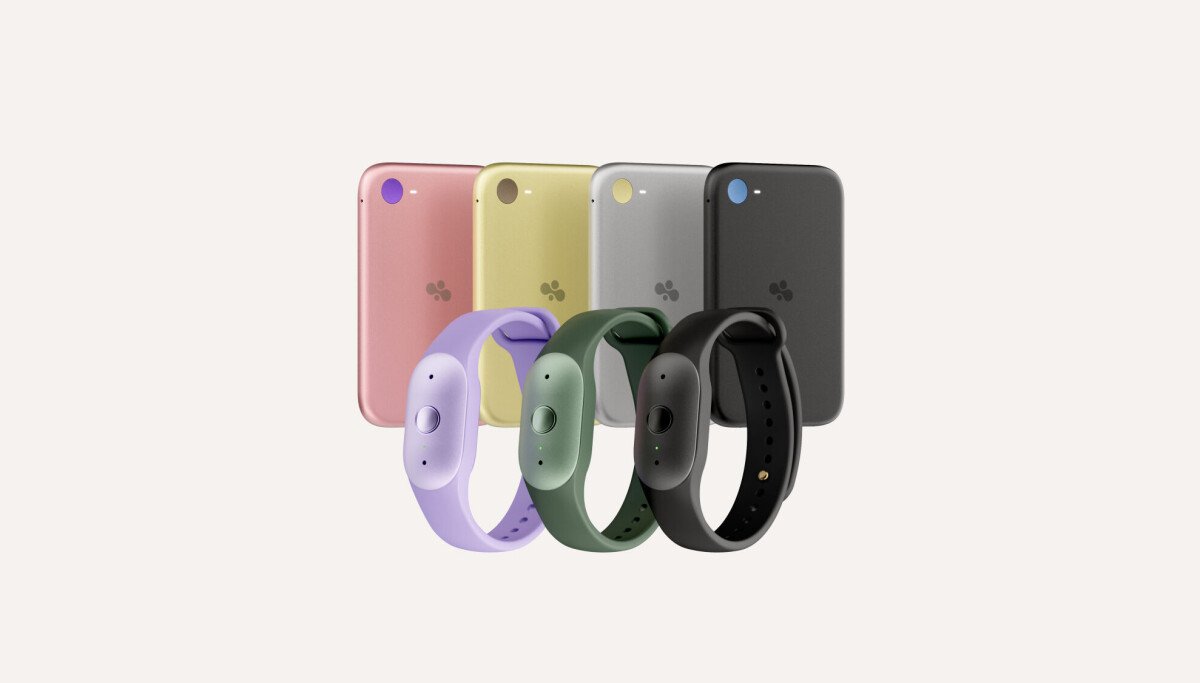
New Bee Wearable AI Gadgets Launch for Daily Assistance
Amazon is expanding its footprint in the consumer hardware space with the release of the Bee Wearable AI, a pair of devices intended to serve as your personal memory bank. By capturing your conversations and converting them into structured to-do lists and summaries, these gadgets aim to streamline your professional and personal life. The collection includes the watch-like Bee Frontier and the magnetic, credit-card-sized Bee Eclipse, both developed following Amazon’s $300 million acquisition of the startup Bee.
As these devices begin to reach consumers, they offer a unique approach to productivity. Specifically, the Bee Wearable AI is designed to identify recurring themes in your speech, providing insights that can help you reach personal goals. Moreover, the hardware connects directly to the Alexa+ platform, allowing for seamless synergy between your spoken words and Amazon’s vast retail ecosystem. If you mention needing office supplies during a meeting, the system is primed to offer relevant product recommendations later that day.
Operational Details of Bee Wearable AI
Functionality remains a priority for the new product line. Each Bee Wearable AI unit features a prominent button and a light indicator to ensure users know exactly when the system is recording. Furthermore, the devices are built for durability; the Bee Frontier is water-resistant, while the Bee Eclipse boasts a remarkable 21-day battery life. By using a standard USB-C port for charging, the company has ensured that these tools fit into existing charging setups without requiring proprietary cables.
Security remains a central focus for the development team. Amazon claims that because the Bee Wearable AI processes data in real-time, no raw audio is stored on their servers. Instead, the system converts speech into encrypted text, which only the user can review via the companion app. This design choice aims to mitigate potential backlash regarding surveillance concerns. To see how these devices compare to other emerging AI wearables, industry analysts are watching the early adoption rates closely.
The Future of Bee Wearable AI
Ultimately, the rollout of the Bee Wearable AI signals a significant shift in how people interact with technology. Rather than pulling out a phone to take notes, users can rely on automated, ambient recording to keep track of important commitments. Whether this becomes a standard part of our daily lives remains to be seen. Nevertheless, Amazon is clearly betting that the convenience of an automated assistant will redefine how we manage our busy schedules and shopping habits in the near future.
Bee Wearable AI Market Impact and Industry Significance
The introduction of Bee Wearable AI represents a pivotal shift in modern technological adoption across enterprise and consumer sectors alike. Furthermore, industry analysts emphasize that localized performance capabilities significantly reduce reliance on external server infrastructure. Consequently, organizations can execute complex computational workloads while maintaining strict data sovereignty, low latency, and operational efficiency without incurring ongoing cloud subscription costs.
Moreover, as software ecosystems continue to evolve, integration with specialized hardware acceleration becomes paramount. Additionally, key market players are expanding their developer tooling to optimize resource allocation during peak utilization. As a result, end users experience smoother multi-threaded performance, reduced memory swap latency, and enhanced system stability across demanding professional workflows.
Performance Benchmarks and Practical Bee Wearable AI Scenarios
In real-world deployment scenarios, evaluating sustained throughput and thermal efficiency is essential for technical decision-makers. Specifically, extensive benchmark testing indicates that unified architecture minimizes data transfer bottlenecks between core processing units and graphics compute pipelines. Therefore, demanding tasks operate with minimal compute overhead.
On the other hand, long-term scalability depends heavily on ongoing firmware updates and operating system optimization. Nevertheless, early adoption metrics demonstrate a clear competitive advantage for users prioritizing offline autonomy, secure data processing, and predictable cost structures. Ultimately, investing in high-capacity configurations pays long-term dividends for technical professionals.

5 Comments
Pingback: Public Input Requested for Active Debris Removal Mission
Pingback: Hidden Chemical Risks Revealed in Microplastics Study
Pingback: Scientists Reveal AI Fails To Decode Genomic Data Properly
Pingback: ViewSonic India Targets Big Growth in LED Display Market
Pingback: Dell Alienware 15 Review Reveals Surprising Performance