


Wabi Debuts New Personal AI Assistant to Rival Muse
Twelve years after pitching her first chatbot concept at TechCrunch Disrupt, entrepreneur Eugenia Kuyda has officially released Wabi to the public. The software arrives just as consumers begin demanding more capable software to handle daily organization, inbox triage, and travel planning. Technology has finally caught up with the founder’s initial vision, setting the stage for a major clash in the consumer software market.
Personal AI Assistant: Pivoting From Social Prompts to Agentic Workflows
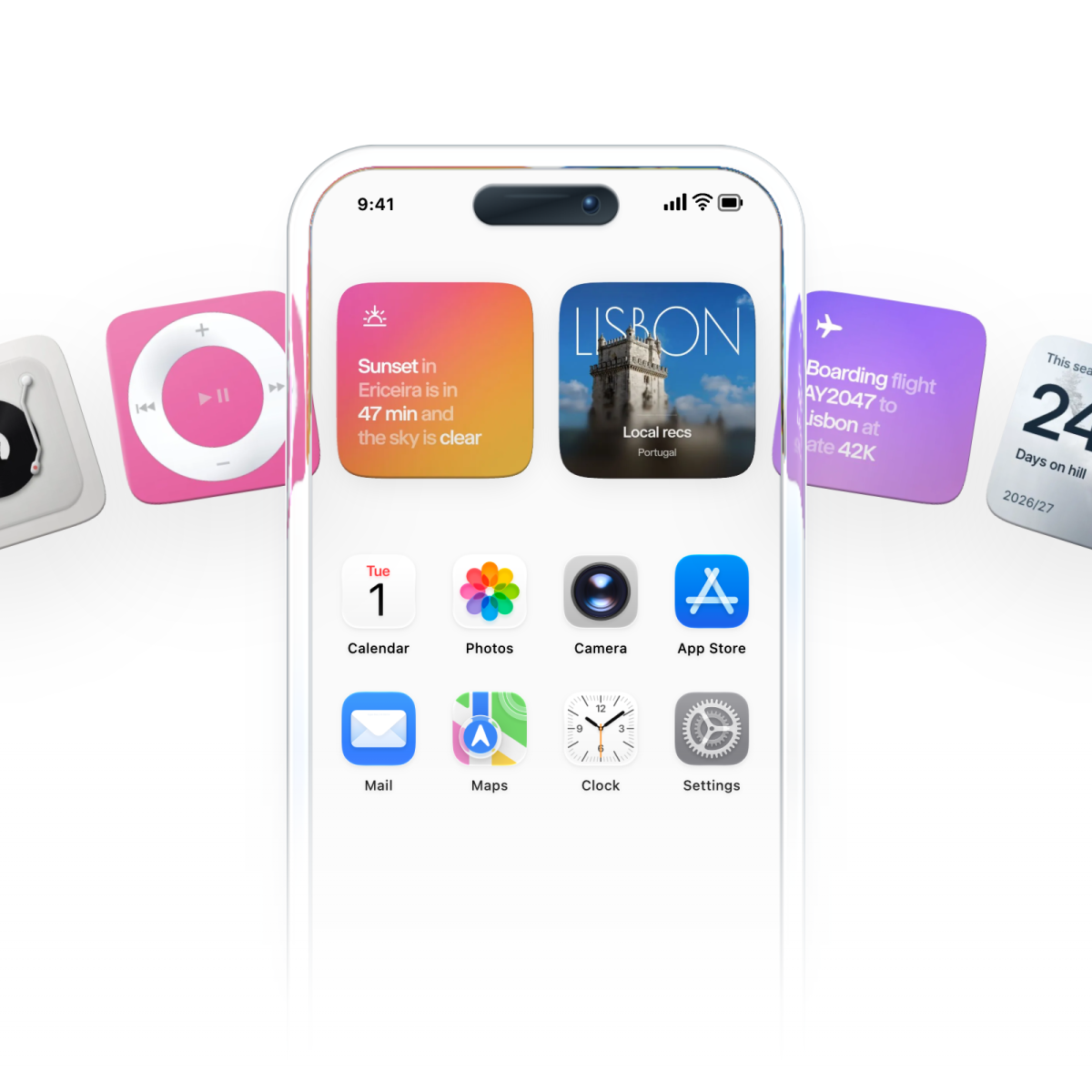
When the startup initially secured a $20 million pre-seed investment last year, the platform functioned primarily as a social space for sharing prompt-generated mini-apps. However, user feedback indicated that while people desire tailored tools over rigid App Store options, they dislike spending time building them. Because of this realization, the updated platform relies on the agent itself to construct necessary widgets the moment accounts are linked.
Core Capabilities and Platform Architecture
- Independent message threads for specific life goals and projects
- Automated generation of task-specific trackers and utilities
- Direct integration with email and external communication channels
- Multiplayer support for shared collaborative task management
In terms of Personal AI Assistant, The system separates itself from rivals through a unique multi-threaded messenger interface. While competing options like Instinct and Muse route all tasks through a single continuous chat log, this architecture separates conversations to prevent important updates from getting buried beneath daily noise.
Competing in a Crowded Consumer Software Market
In terms of Personal AI Assistant, The launch places Kuyda in direct competition with a wave of new productivity tools promising to automate everyday chores. Backed by years of experience developing companion chatbots through her previous company Replika, the founder understands human-computer interaction better than most newcomers in the space. Yet, user adoption will depend heavily on whether automated mini-apps prove more reliable than traditional dedicated software.
The Bottom Line for Future Productivity Apps
In terms of Personal AI Assistant, As personal software evolves beyond static grids of icons, conversational interfaces are becoming the primary gateway to digital organization. Whether Wabi can successfully outpace established rivals remains to be seen, but its automated app-building approach introduces a fresh dynamic to the category. For everyday users tired of managing dozens of single-purpose apps, automated multi-threaded agents might finally deliver the lifestyle concierge promised over a decade ago.
For full official background and direct documentation, read the source coverage on techcrunch Reporting.
