


White Label Gadgets: The Hidden Supply Chain Behind Generic Consumer Electronics
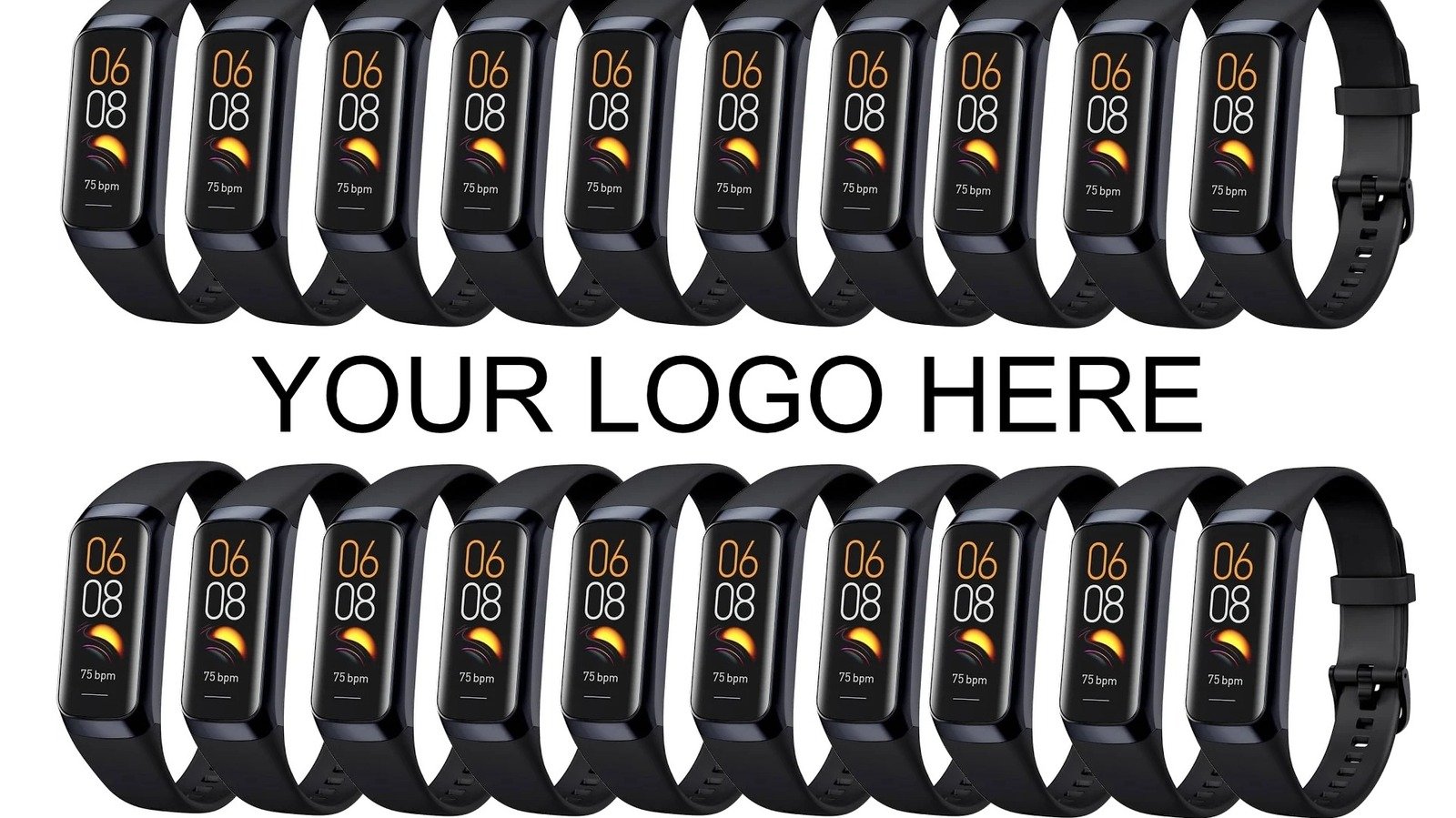
The modern consumer tech landscape faces an unprecedented influx of white label gadgets manufactured in a small cluster of Asian production facilities. When journalists recently investigated the growing glut of cloned hardware, they uncovered an intricate web where a single factory builds identical electronics for dozens of competing sellers. While contract manufacturing remains a standard industry practice embraced by major corporations, questionable merchants exploit this system to dump subpar products onto unsuspecting buyers.
That said, legitimate white label production is not inherently problematic. Established brands like Sony historically sourced television panels from industry rivals before acquiring or selling manufacturing divisions. However, the modern online marketplace features an overwhelming volume of copycat devices manufactured by generic original device makers.
White Label Gadgets: How to Identify Rebranded Hardware Before Purchasing
Spotting these cloned items requires looking past flashy marketing claims and glossy product renders. For instance, tech analysts tracking the smart ring market discovered that popular wellness wearables sold by Fittr, Qalo, and Insix are actually built around the identical J-Style X1 platform. Although each company applies unique branding and custom packaging, the underlying hardware remains completely unchanged beneath the surface.
In terms of White Label Gadgets, Similarly, camera gear and audio accessories frequently suffer from the same mass-rebranding phenomenon. Because these companies avoid the high costs of research and development, they can undercut legitimate competitors on price while offering inferior build quality. Savvy shoppers must look beyond customer star ratings on retail product pages, as many low-effort sellers actively suppress independent scrutiny.
- Skip AI Summaries: Rely on trusted community forums and detailed hands-on reviews.
- Investigate the Maker: Check if the brand actually designs its own physical products.
- Compare Listing Photos: Look for matching camera angles and identical menu displays.
- Examine Warranty Terms: Short return windows often indicate fly-by-night sellers.
Protecting Your Wallet From Deceptive Online Retailers
Buying low-effort hardware leaves consumers vulnerable to poor battery life, faulty charging components, and nonexistent customer service. Medium-sized companies sometimes license their trusted names to third parties for products outside their usual domain, creating a false sense of security for buyers. Because of this, verifying the actual origin of an electronic accessory prevents unnecessary disappointment.
Ultimately, separating legitimate engineering achievements from cheap white label gadgets requires diligence and skepticism. Checking dedicated analysis platforms like The Verge helps consumers avoid misleading listings. By doing proper research before clicking the buy button, shoppers ensure their money supports genuine innovation rather than anonymous factory surplus.
