


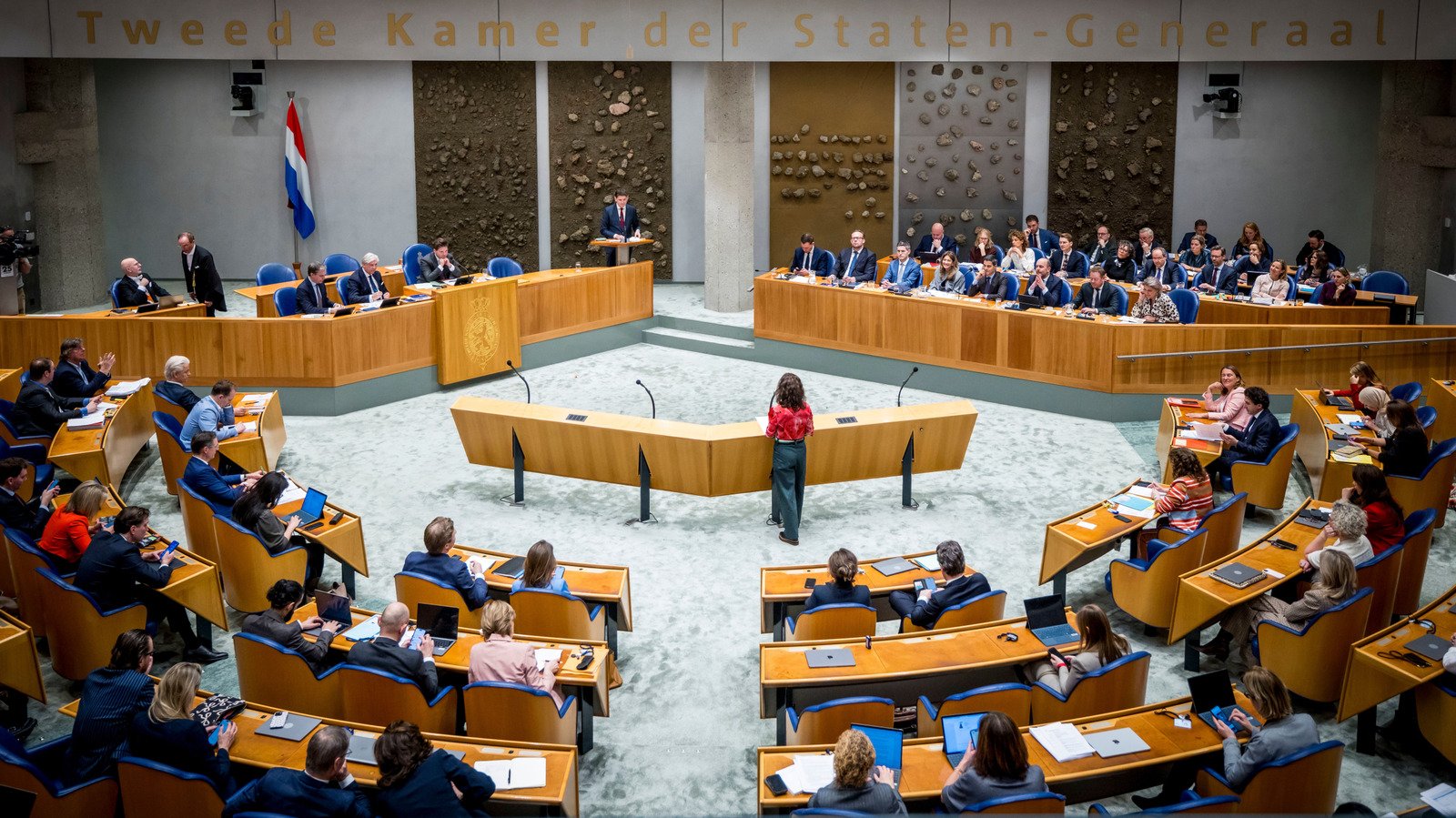
Dutch Government Cuts Thousands of Jobs in AI Push
In a bold administrative shift, the Dutch government has confirmed plans to phase out 25,000 full-time jobs by 2035. This massive workforce reduction forms the core of a newly detailed cost-cutting strategy designed to modernize public administration. By leaning heavily on advanced software solutions, officials aim to trim billions in operational expenses while simultaneously redefining how state services are delivered to citizens.
Dutch Government: Financial Targets and Exemptions
The financial scope of the initiative is exceptionally ambitious. State documents outline an initial savings goal of 900 million euros, roughly $1 billion, by 2027. That figure is projected to escalate to 3.5 billion euros, or approximately $3.9 billion, by 2035. Although the cuts will affect a wide array of civil departments, critical national security sectors have been shielded. Both police and defense personnel are entirely excluded from the upcoming restructuring plan.
- Elimination of 25,000 public sector jobs by 2035.
- Phase-one savings target of 900 million euros by 2027.
- Phase-two savings target of 3.5 billion euros by 2035.
- Strict exemptions for national police and defense agencies.
Dutch Government: Deploying Algorithms in Public Bureaucracy
Details regarding how the Dutch government will implement these digital tools are still emerging. State secretary Eric van der Burg noted that official deployment goals and targeted savings frameworks will be formally published in early 2027. Although several small-scale digital trials have already launched across select state departments, expanding these systems to handle core bureaucratic tasks remains a complex undertaking.
Comparing Public and Private Sector Automation
The decision by the Dutch government reflects a broader global trend where large organizations turn to machine learning to offset rising operational costs. While private tech enterprises routinely shed staff to improve profit margins, public institutions face distinct obligations regarding civic duty and accountability. Balancing fiscal restraint with reliable citizen support remains the primary hurdle for policymakers steering this transition.
The Bottom Line for Public Administration
Ultimately, this multi-year downsizing experiment marks a definitive turning point for European civil service models. Labor unions and legal experts are closely monitoring the rollout to ensure worker rights and data protections are preserved. Because technological efficiency often carries unforeseen social costs, the coming years will test whether algorithms can truly replace human bureaucracy without compromising public trust.
