


Uncertainty Grips Parliament After Israeli election
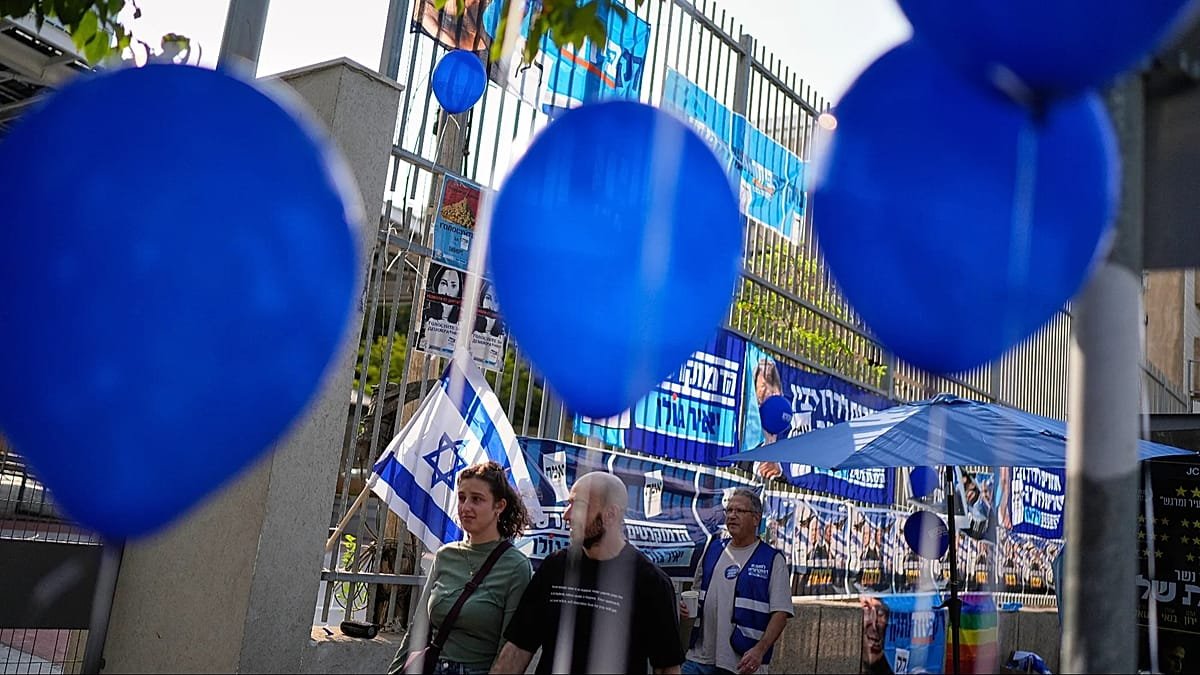
The Israeli election concluded with a dramatic deadlock as exit polls indicated no decisive victor for control of the Knesset. Voter turnout surged past 77 percent according to official figures released by the Central Elections Committee, reflecting intense public engagement following the October 7 security crisis.
Both incumbent Prime Minister Benjamin Netanyahu and opposition challenger Gadi Eisenkot failed to secure the necessary 61 seats required for a governing majority. Political analysts emphasize that this standoff creates a prolonged period of political uncertainty as news agencies track coalition talks.
Israeli Election: Divided Projections and Historic Legislative Shifts
Broadcast projections for the Israeli election placed the opposition bloc slightly ahead with 52 to 53 seats. Netanyahu’s Likud party is anticipated to retain its position as the largest single faction with 24 or 25 seats, yet his broader right-wing bloc lagged behind with approximately 50 seats.
- Voter participation surpassed 77 percent nationwide.
- Opposition bloc captured an estimated 52-53 seats.
- Likud secured 24-25 seats as the largest single party.
- Arab parties achieved a historic 18 seats.
Although these numbers remain provisional until final certified tallies arrive, the fragmentation underscores a deeply polarized electorate. The rise of Arab parties to a record 18 projected seats introduces an unpredictable dynamic to future parliamentary alliances.
Assessing the Immediate Political Aftermath
Reactions to the Israeli election split immediately along partisan lines. Opposition leaders declared that the results signal an unmistakable desire for change among citizens. Meanwhile, cabinet members urged patience, reminding the public that exit polls frequently fail to capture the final distribution of residual votes.
As the nation awaits certified results from the Central Elections Committee, the political future remains volatile. Netanyahu could potentially remain in a caretaker capacity for months while rival factions attempt to build a viable governing coalition.
