


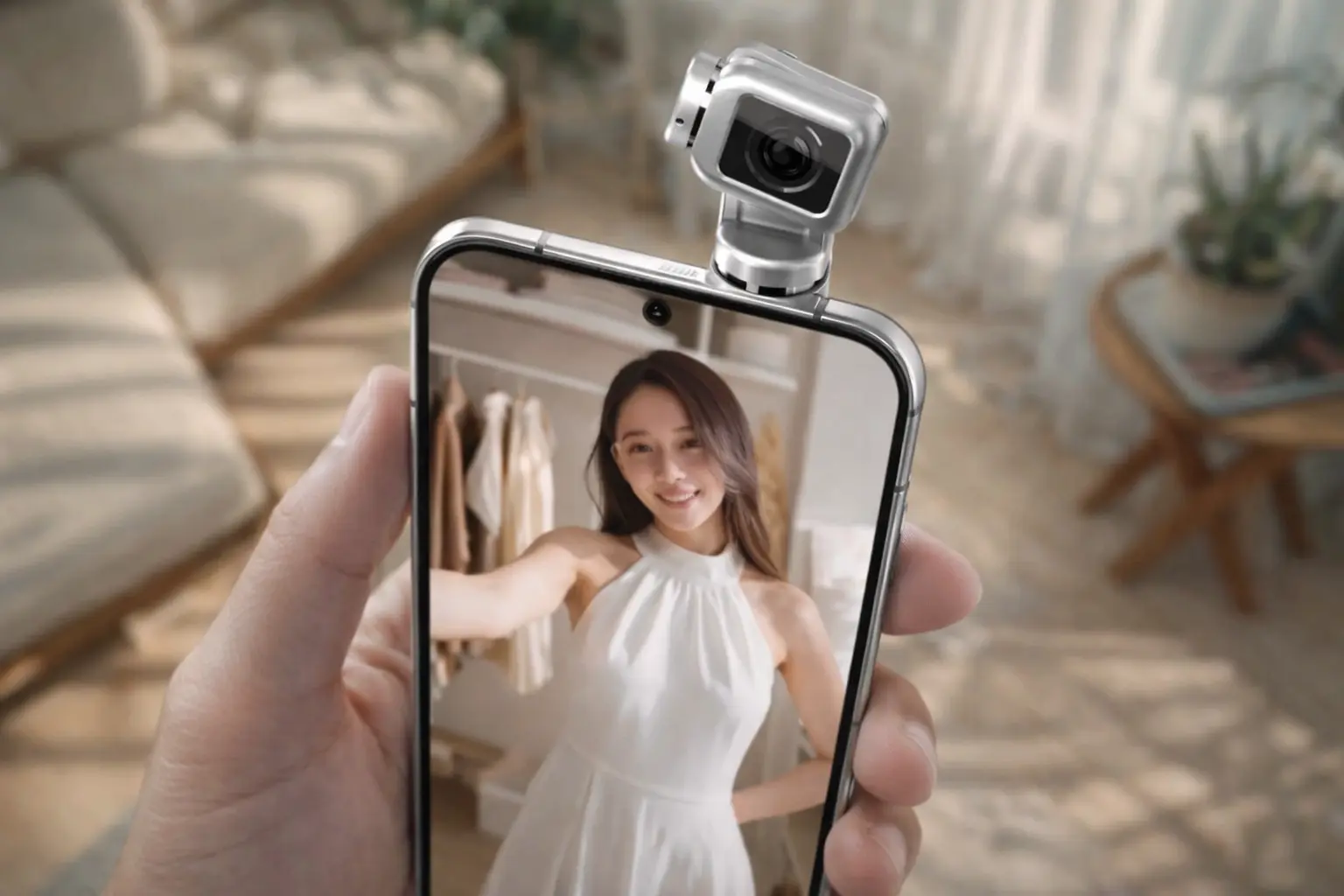
MWC 2026 starts March 2–5 in Barcelona, and the show is again shaping up as the launchpad for bold hardware from brands like Honor, Xiaomi, and Huawei.
This year, one teaser has grabbed attention: Honor’s “Robot Phone,” a device that looks like a normal phone until its motorized, gimbal-style camera module starts moving like a tiny companion.
Leaks and promos suggest the camera “head” can tilt and track, giving it a Pixar-style personality vibe. But details remain thin, and Honor may treat it as a concept demo rather than a mass-market product.
Honor Robot Phone: What the Moving Camera Might Actually Do
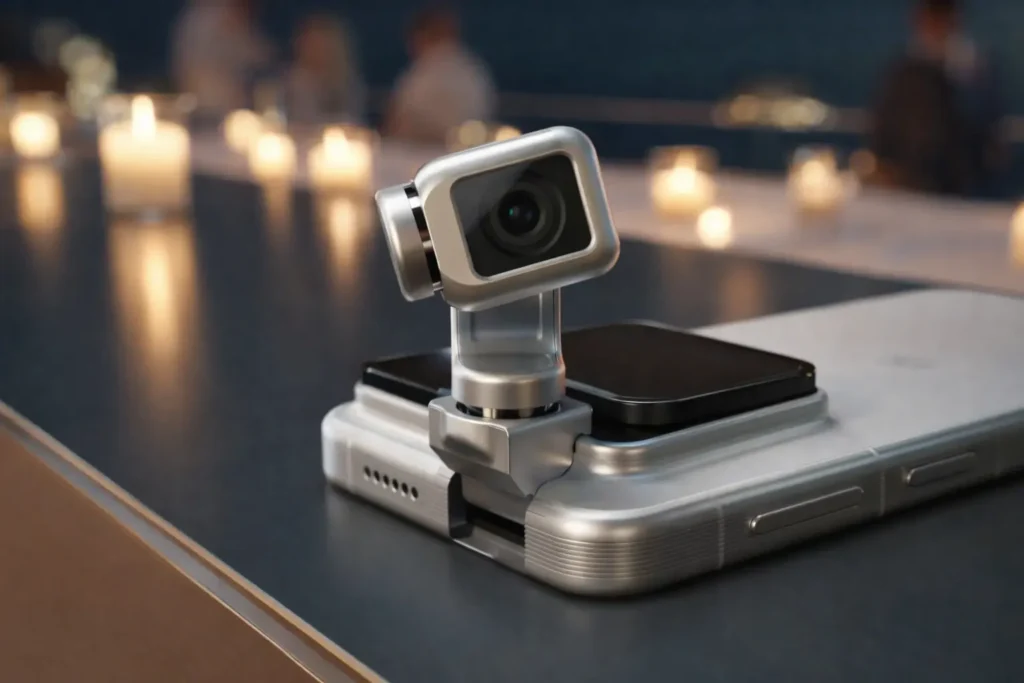
Honor’s marketing frames the Robot Phone as a mix of AI awareness + robotic movement + camera utility.
Functionally, the safest interpretation is simple: the gimbal enables stable video, smoother tracking, and possibly hands-free framing for creators—similar to dedicated gimbal cameras, but built into a phone body.
The more ambitious interpretation is “AI companion behavior,” where the camera reacts to people and surroundings using computer vision and audio cues. That looks cool in promos, but real-world value will depend on durability, battery drain, and whether the mechanism survives daily drops and pockets.
Are “Robot Phones” Too Early for the AI Phone Era?
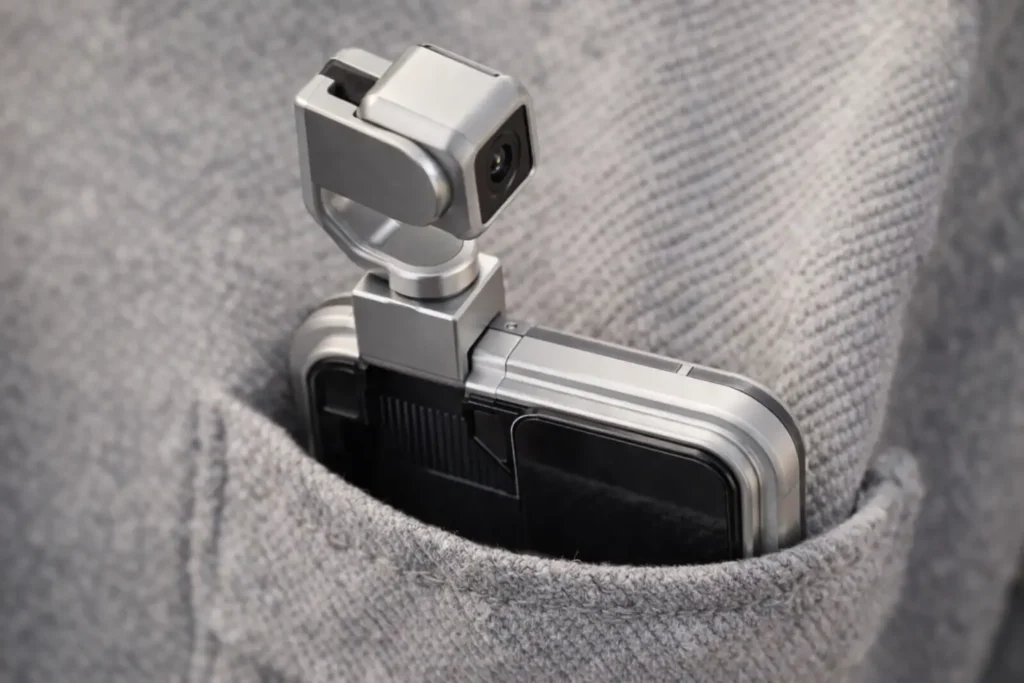
Phone makers still struggle to make assistants reliably useful across apps and personal data. Adding motors and moving parts raises the bar further: more failure points, more power draw, and more reasons for consumers to hesitate. The idea is exciting, but it may land like past novelty hardware—memorable, short-lived, and quickly copied or abandoned.
Also at MWC: Honor Magic V6 Looks Like the “Real” Headliner
Honor is also expected to spotlight the Magic V6 foldable, which feels like the practical flagship alongside the Robot Phone tease. Reports point to durability upgrades such as IP68/IP69 ratings and a reinforced Super Steel Hinge.
Eco-friendly SEO angle: durability beats gimmicks
If Honor wants this concept to feel sustainable, it needs three things:
- Repairable moving parts (camera module serviceability)
- Long software support (so the device lasts years)
- Efficient on-device AI (less cloud processing, lower energy use)
A robot-style camera is only “future tech” if it survives daily life—and doesn’t push people into faster upgrade cycles.
#robotphone #ai
