


Why Highway Driving Accelerates EV Battery Drain
EV battery drain behaves counterintuitively compared to gasoline vehicles. While internal combustion engines achieve peak efficiency at steady highway speeds, electric powertrains suffer their worst consumption there. Aerodynamic drag rises with the square of velocity, meaning 75 mph requires roughly double the energy per mile of 55 mph. Recurrent reports that 2026 model averages reach 325 miles, yet real-world highway trips often deliver 20-30% less. Regenerative braking — a key efficiency advantage in urban cycles — contributes nothing during uninterrupted cruising.
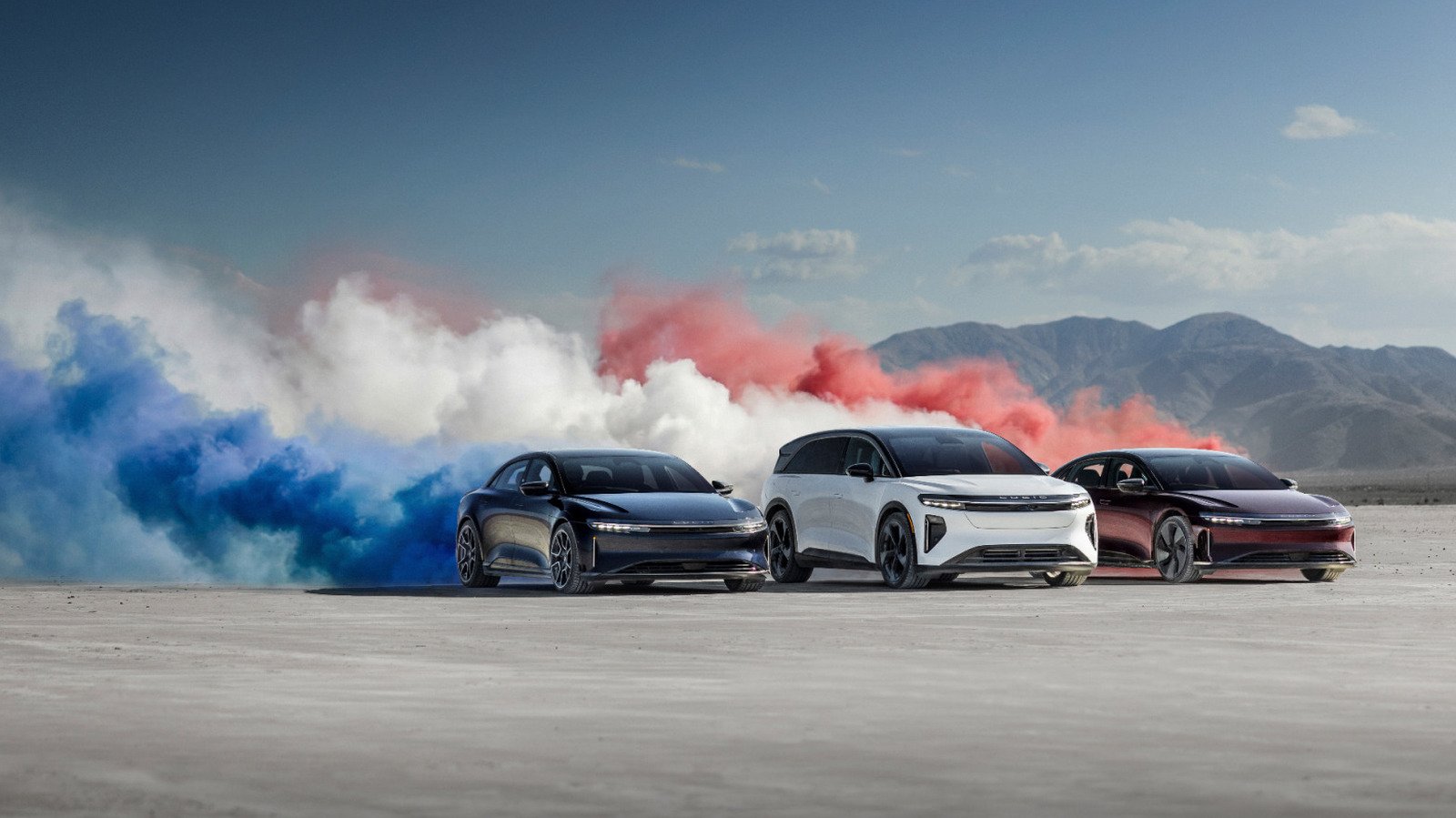
Aggressive driving styles magnify the effect. Hard acceleration pulls maximum current, heating cells and increasing internal resistance. This creates a feedback loop where hot batteries accept less regenerative energy later. Smooth inputs maintain optimal pack temperature and extend range significantly. Models like the BMW iX and Lucid Air demonstrate over 400 miles in EPA testing, but only when driven with mechanical sympathy. Cruise control helps maintain consistent speeds, though adaptive systems that brake frequently for traffic can hurt more than help.
Temperature Extremes and EV Battery Drain
Weather exerts profound influence on EV battery drain. A 2025 Recurrent analysis revealed range reductions approaching 33% when ambient temperatures drop below freezing. Cold electrolyte viscosity impedes lithium-ion mobility, reducing both available capacity and charge acceptance. Cabin heating compounds the penalty — resistive heaters can draw 5-7 kW continuously. Heat pump systems mitigate this, cutting heating energy by 40-50%, but remain absent from many entry-level models.
Summer heat creates different challenges. Temperatures above 95°F activate battery cooling systems that consume 1-2 kW continuously. Parking in direct sunlight forces the thermal management system to work harder before you even start driving. Pre-conditioning while plugged in solves both scenarios. Most manufacturers now offer smartphone scheduling that prepares the cabin and battery using grid energy, preserving every electron for propulsion.
Vehicle Load Impact on EV Battery Drain
Mass affects electric vehicles more visibly than combustion cars because every kilogram must be accelerated electrically. Roof racks, bike carriers, and unnecessary cargo add rolling resistance and aerodynamic drag simultaneously. A fully loaded roof box can increase consumption 10-15% at highway speeds. Tire pressure maintenance offers the easiest win — underinflation by just 5 PSI raises rolling resistance 3-5%. Check pressures cold, monthly, and before long trips.
Wheel and tire choices matter too. Larger diameter wheels with low-profile tires increase unsprung mass and often use stickier compounds with higher rolling resistance. Many owners report 5-10% range gains switching to smaller wheel packages with efficiency-focused tires. The trade-off in handling rarely justifies the range penalty for daily drivers.
Practical Ways to Minimize EV Battery Drain
Drivers can adopt several high-impact habits immediately. Activate eco driving modes that soften throttle mapping and limit climate output. Use seat heaters instead of cabin blowers — they warm occupants at 1/10th the energy cost. Plan routes around 800-volt DC fast chargers where available; modern architectures add 100 miles in under 10 minutes. Charge to 80% for daily use, reserving 100% for trip departures to protect long-term battery health.
Navigation systems with integrated charging planners optimize stop locations based on real-time speed, weather, and elevation data. This prevents arriving at chargers with critically low state-of-charge, which forces slower charging speeds. For comprehensive efficiency data across models, the Recurrent research portal publishes extensive real-world datasets. The U.S. Department of Energy EV guide also provides authoritative efficiency comparisons and driving tips.
EV Battery Drain Market Impact and Industry Significance
The introduction of EV Battery Drain represents a pivotal shift in modern technological adoption across enterprise and consumer sectors alike. Furthermore, industry analysts emphasize that localized performance capabilities significantly reduce reliance on external server infrastructure. Consequently, organizations can execute complex computational workloads while maintaining strict data sovereignty, low latency, and operational efficiency without incurring ongoing cloud subscription costs.
Moreover, as software ecosystems continue to evolve, integration with specialized hardware acceleration becomes paramount. Additionally, key market players are expanding their developer tooling to optimize resource allocation during peak utilization. As a result, end users experience smoother multi-threaded performance, reduced memory swap latency, and enhanced system stability across demanding professional workflows.
Performance Benchmarks and Practical EV Battery Drain Scenarios
In real-world deployment scenarios, evaluating sustained throughput and thermal efficiency is essential for technical decision-makers. Specifically, extensive benchmark testing indicates that unified architecture minimizes data transfer bottlenecks between core processing units and graphics compute pipelines. Therefore, demanding tasks operate with minimal compute overhead.
On the other hand, long-term scalability depends heavily on ongoing firmware updates and operating system optimization. Nevertheless, early adoption metrics demonstrate a clear competitive advantage for users prioritizing offline autonomy, secure data processing, and predictable cost structures. Ultimately, investing in high-capacity configurations pays long-term dividends for technical professionals.
