


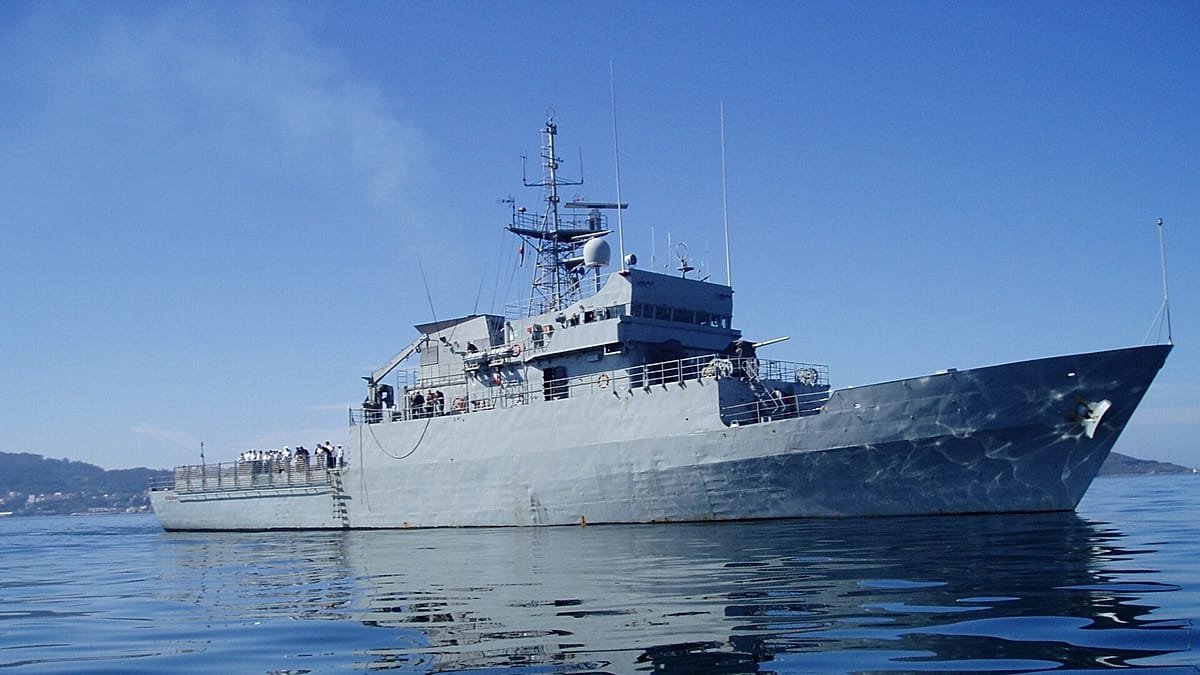
Spanish Navy Deploys Patrol Vessels to Ceuta Waters
Naval operations in southern Spain have entered a new phase as military authorities ensure that patrol vessels respond immediately to foreign transits. The Spanish Navy updated its operational protocol concerning the innocent passage of Moroccan vessels near Ceuta and Melilla. Instead of relying strictly on passive tracking, the military now acts without waiting for higher authorization.
The legal framework relies on the United Nations Convention on the Law of the Sea, which permits foreign ships to navigate coastal waters. However, security concerns in late July prompted a firm reaction. While monitoring was once handled exclusively by the Maritime Action Operations and Surveillance Centre, patrol vessels now actively sail out to intercept and shadow incoming traffic. Because of these updated protocols, security forces maintain a much tighter grip on regional waters.
New Deployments and Active Tactical Responses
The strategic overhaul relies on specialized hardware stationed across critical coastal zones. The Atalaya, equipped with machine guns and a cannon, operates directly out of Ceuta. At the same time, the Isla de León monitors Melilla and surrounding maritime zones.
- Atalaya vessel operating near Ceuta
- Isla de León stationed around Melilla
- Active shadowing of foreign vessels
- Immediate response without bureaucratic delay
According to El País, previous border breaches required emergency military intervention. The new deployment of patrol vessels prevents similar security blind spots by establishing a continuous physical presence.
The Bottom Line on Modern Maritime Defense
Ultimately, utilizing patrol vessels as active deterrents allows the Spanish military to safeguard its maritime borders effectively. By drawing a clear line between lawful innocent passage and potential security threats, the Navy protects regional stability while keeping communication channels open.
