


New Figma AI Agents Transform Predictable Design Work
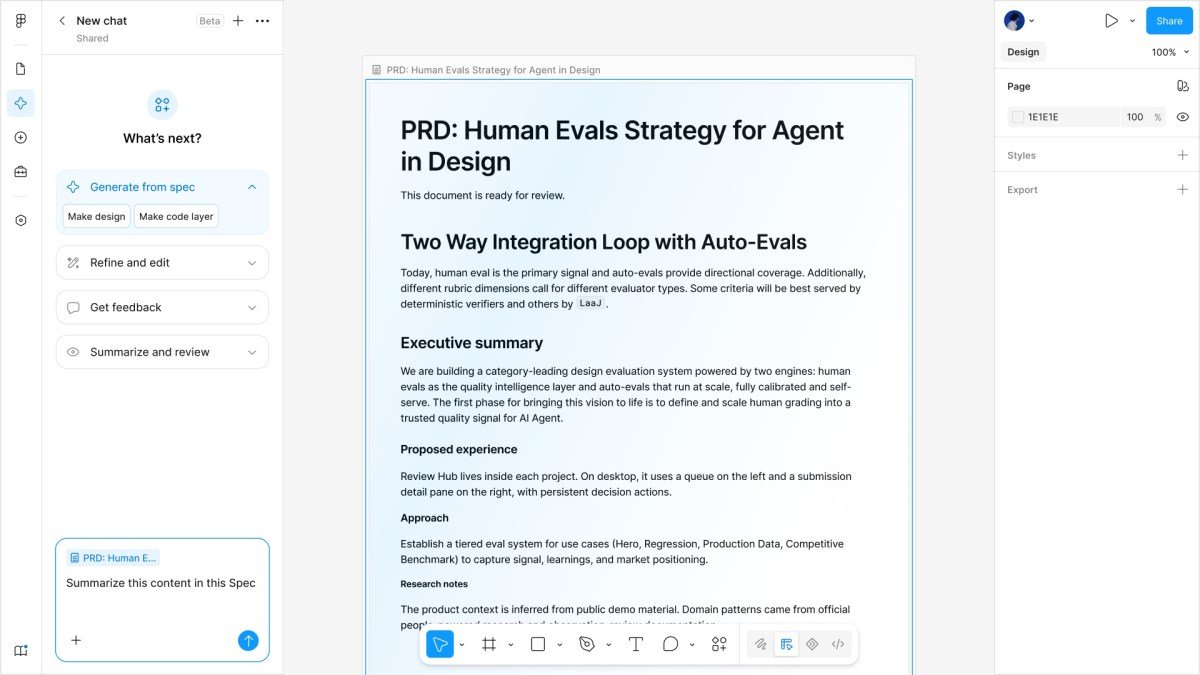
Figma is taking a proactive step in managing generative technology by announcing new features for Figma AI Agents at its Config event in India. As AI adoption grows, the company wants to ensure that automated design processes remain predictable and brand-compliant. By introducing a markdown-based editor, the platform now allows teams to define specific design language rules that agents must follow during their creative tasks.
Specifically, the new Figma Specs tool acts as a central repository for design guidelines. It allows users to link elements directly from the canvas, ensuring that Figma AI Agents have the necessary context to generate accurate designs. This shift is critical because AI models can often produce unpredictable results when left without strict parameters. By centralizing design and code libraries, teams can steer these models toward high-quality, consistent outputs.
Integrating Content and Figma AI Agents
Furthermore, the integration with Payload, a headless CMS, signifies a major move toward dynamic content management. This feature enables users to manage content directly alongside their design assets. Additionally, the public beta release of code layers allows for more interactive prototyping. Users can now prompt Figma AI Agents to convert visual designs into code or modify specific code segments to test new features quickly. This functionality is expected to speed up the transition from design to production.
Ultimately, the goal is to help software teams move beyond mere discovery to actual product shipment. Loredana Crisan, Figma’s chief design officer, emphasized that current workflows often prioritize code generation for discovery rather than shipping. By refining how Figma AI Agents operate, the platform encourages a more efficient development cycle that aligns design intent with final software release goals.
Global Growth and Tooling
Moreover, the company is supporting over 20 new tools via its Model Context Protocol. This expansion includes support for platforms like Grok Bot and Sarvam, which further broadens the scope of what users can achieve within the Figma ecosystem. Such integrations are essential for maintaining a competitive edge in a crowded software design market. You can explore more about the technical specifications of these tools at TechCrunch.
Finally, India has emerged as a vital market for the company, boasting the largest user base outside of the United States. With its new regional office, Figma is well-positioned to support its growing international community. By continuously enhancing Figma AI Agents, the platform remains at the forefront of the design industry, providing the necessary tools for modern software development teams to thrive.
Figma AI Agents Market Impact and Industry Significance
The introduction of Figma AI Agents represents a pivotal shift in modern technological adoption across enterprise and consumer sectors alike. Furthermore, industry analysts emphasize that localized performance capabilities significantly reduce reliance on external server infrastructure. Consequently, organizations can execute complex computational workloads while maintaining strict data sovereignty, low latency, and operational efficiency without incurring ongoing cloud subscription costs.
Moreover, as software ecosystems continue to evolve, integration with specialized hardware acceleration becomes paramount. Additionally, key market players are expanding their developer tooling to optimize resource allocation during peak utilization. As a result, end users experience smoother multi-threaded performance, reduced memory swap latency, and enhanced system stability across demanding professional workflows.
Performance Benchmarks and Practical Figma AI Agents Scenarios
In real-world deployment scenarios, evaluating sustained throughput and thermal efficiency is essential for technical decision-makers. Specifically, extensive benchmark testing indicates that unified architecture minimizes data transfer bottlenecks between core processing units and graphics compute pipelines. Therefore, demanding tasks operate with minimal compute overhead.
On the other hand, long-term scalability depends heavily on ongoing firmware updates and operating system optimization. Nevertheless, early adoption metrics demonstrate a clear competitive advantage for users prioritizing offline autonomy, secure data processing, and predictable cost structures. Ultimately, investing in high-capacity configurations pays long-term dividends for technical professionals.
