


Custom E Ink Driver Enables High Speed Retro Gaming
A developer has unveiled a custom E Ink driver that allows standard electronic paper displays to operate at a smooth 30 frames per second. This project, which brings classic gaming to e-reader technology, demonstrates how software can overcome the inherent limitations of physical display hardware. By optimizing the way the screen handles pigment movement, this E Ink driver enables fluid motion on displays that were previously thought to be too slow for anything beyond static text.
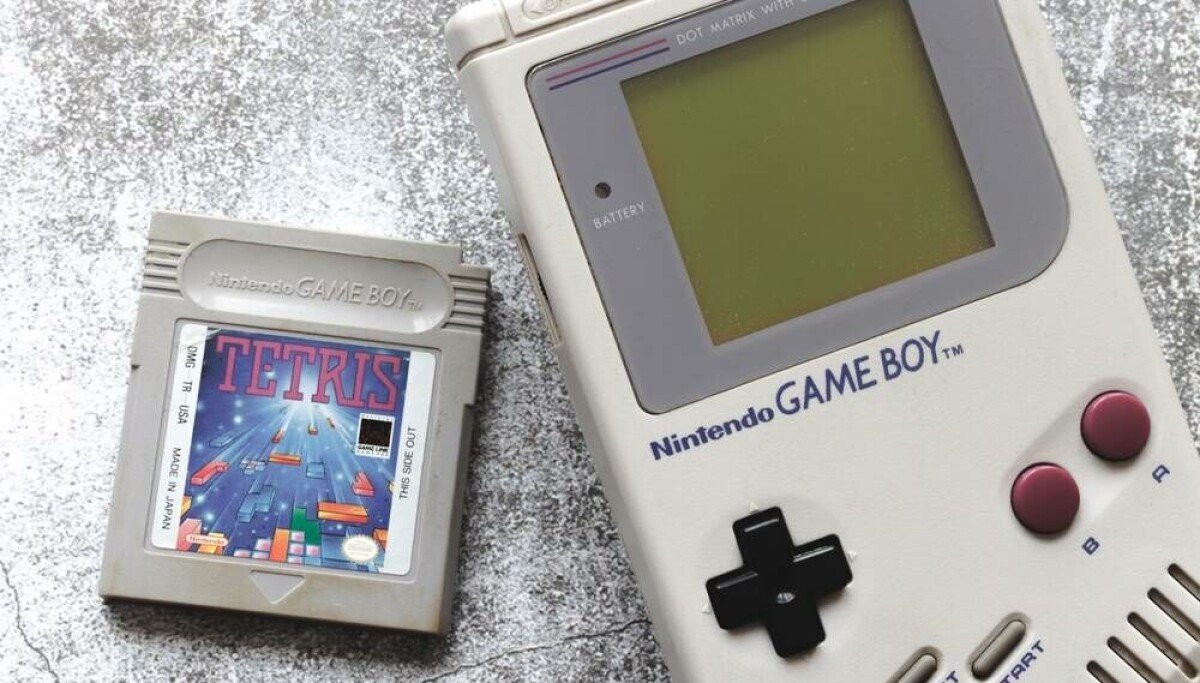
Typically, these displays use a slow, two-tone approach to update pixels. However, the creator of this E Ink driver discovered that by shortening the electrical waveform and manipulating the pigment transition, the display could produce four distinct levels of gray. This technique effectively mimics the look of the original Game Boy screen. Furthermore, the implementation of this E Ink driver reduces the ghosting effects that usually plague low-power displays, resulting in a much cleaner image during gameplay.
Optimizing The Custom E Ink Driver Experience
Specifically, the Waveshare e-paper hardware used in this build was never intended to handle high-speed video. Nevertheless, the developer successfully hacked the refresh protocol to achieve a 30-fps output. This is a massive improvement over the stock drivers, which usually struggle to maintain even 4 frames per second. Because the source code is now open to the public, other enthusiasts can integrate this E Ink driver into their own DIY projects.
Additionally, the project highlights the potential for power-efficient gaming devices that can operate for weeks on a single battery charge. Since e-paper technology only consumes power when changing pixels, the efficiency gains are substantial compared to modern LCD or OLED screens. In conclusion, this work serves as an impressive example of how open-source contributions can breathe new life into existing hardware. Anyone interested in experimenting with low-power screen refresh rates can find the source files online and begin testing the limits of their own displays.
E Ink Driver Market Impact and Industry Significance
The introduction of E Ink Driver represents a pivotal shift in modern technological adoption across enterprise and consumer sectors alike. Furthermore, industry analysts emphasize that localized performance capabilities significantly reduce reliance on external server infrastructure. Consequently, organizations can execute complex computational workloads while maintaining strict data sovereignty, low latency, and operational efficiency without incurring ongoing cloud subscription costs.
Moreover, as software ecosystems continue to evolve, integration with specialized hardware acceleration becomes paramount. Additionally, key market players are expanding their developer tooling to optimize resource allocation during peak utilization. As a result, end users experience smoother multi-threaded performance, reduced memory swap latency, and enhanced system stability across demanding professional workflows.
Performance Benchmarks and Practical E Ink Driver Scenarios
In real-world deployment scenarios, evaluating sustained throughput and thermal efficiency is essential for technical decision-makers. Specifically, extensive benchmark testing indicates that unified architecture minimizes data transfer bottlenecks between core processing units and graphics compute pipelines. Therefore, demanding tasks operate with minimal compute overhead.
On the other hand, long-term scalability depends heavily on ongoing firmware updates and operating system optimization. Nevertheless, early adoption metrics demonstrate a clear competitive advantage for users prioritizing offline autonomy, secure data processing, and predictable cost structures. Ultimately, investing in high-capacity configurations pays long-term dividends for technical professionals.

2 Comments
Pingback: Major Price Drop Hits Ecobee Smart Thermostat Units
Pingback: New Evidence Emerges in Katie Zacharia Scandal Case