


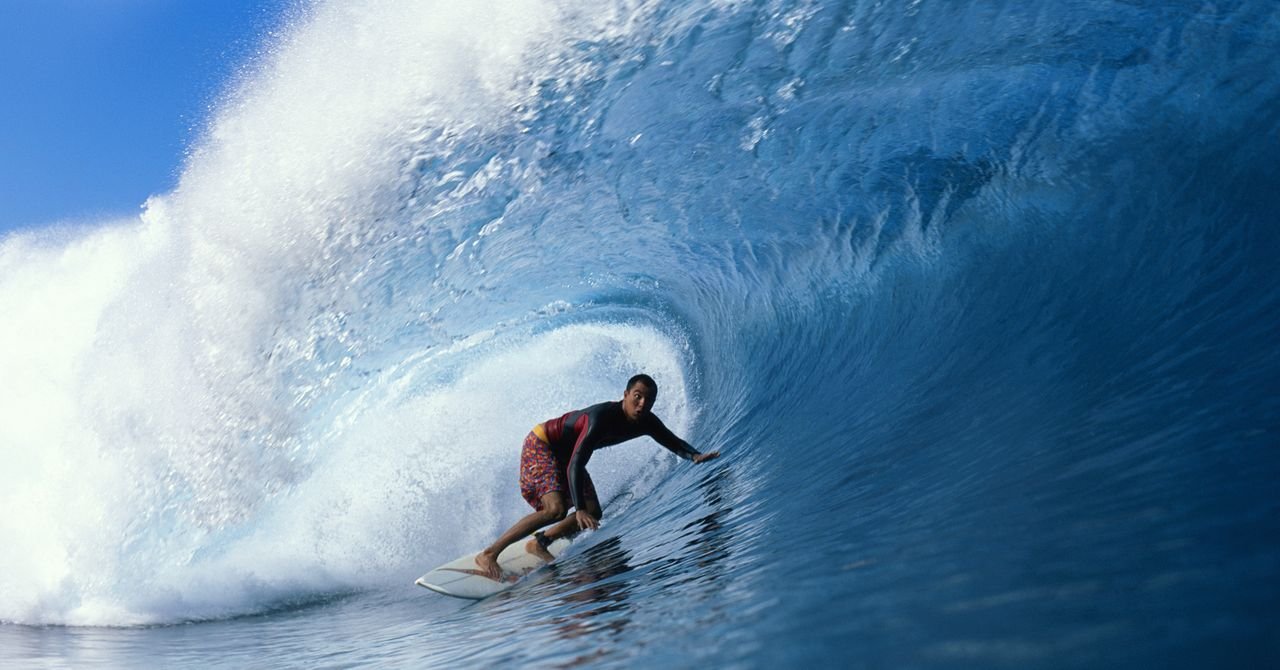
Climate Change Threatens Iconic Global Surf Spots
The intensifying climate change crisis is rapidly reshaping coastlines and threatening some of the planet’s most iconic surf breaks. Rising sea levels are submerging legendary waves, while aggressive coastal development crushes others against artificial seawalls, putting treasured aquatic environments in immediate jeopardy.
A major new scientific evaluation of famous waves within World Surfing Reserves discovered that over 75 percent are at high risk. Changing tide levels, shifting sands, and hardened shorelines are rapidly destroying the precise oceanographic conditions required to generate world-class surfing waves.
Climate Change: Fragile Oceanographic Phenomena Under Siege
The finest surfing waves require a rare, intricate combination of seafloor geometry, precise swell directions, and regular tidal flows. Because these environmental factors must align perfectly, even minor disruptions can permanently ruin a wave.
According to researchers from California State University Channel Islands, global heating accelerates sea level rise and alters rainfall patterns. These shifts disrupt sediment movement, destroying the delicate geographic balance that creates legendary breaks worldwide.
Vulnerable Waves Identified by Local Experts
Nearly 200 local surfers and experts contributed to the analysis, examining 57 distinct surf breaks across eight nations. The most vulnerable locations highlighted in the research include:
- North Devon’s Croyde Beach and its famous bombing barrels in the UK.
- The treasured point breaks found in Noosa, Australia.
- Oriente Salvaje located along the coast of El Salvador.
- California reef breaks such as Sewer Peak and Wind and Sea in Santa Cruz.
Trent Hodges from the Save the Waves Coalition notes that monitoring these changing waves acts as a crucial early warning system. When a local surf break degrades, it typically indicates that the entire surrounding beach ecosystem is in trouble. Additional details on these threats are discussed in studies published by The Guardian Climate Desk coverage.
Why Resilient Natural Coastlines Matter
Where shorelines remain natural and untouched, beaches demonstrate a greater capacity to adapt by shifting inland and redistributing sand sediments. Conversely, artificial structures like concrete groynes, jetties, and heavy sea walls eliminate this flexibility, leaving beaches completely defenseless against rising waters.
The Bottom Line for Local Economies
Beyond the cultural loss for wave riders, the degradation of these spots threatens a multibillion-dollar global surf economy. Many affected communities rely exclusively on surf tourism to survive. Protecting these natural breaks is ultimately essential for safeguarding vulnerable coastal cultures and local livelihoods worldwide.
