


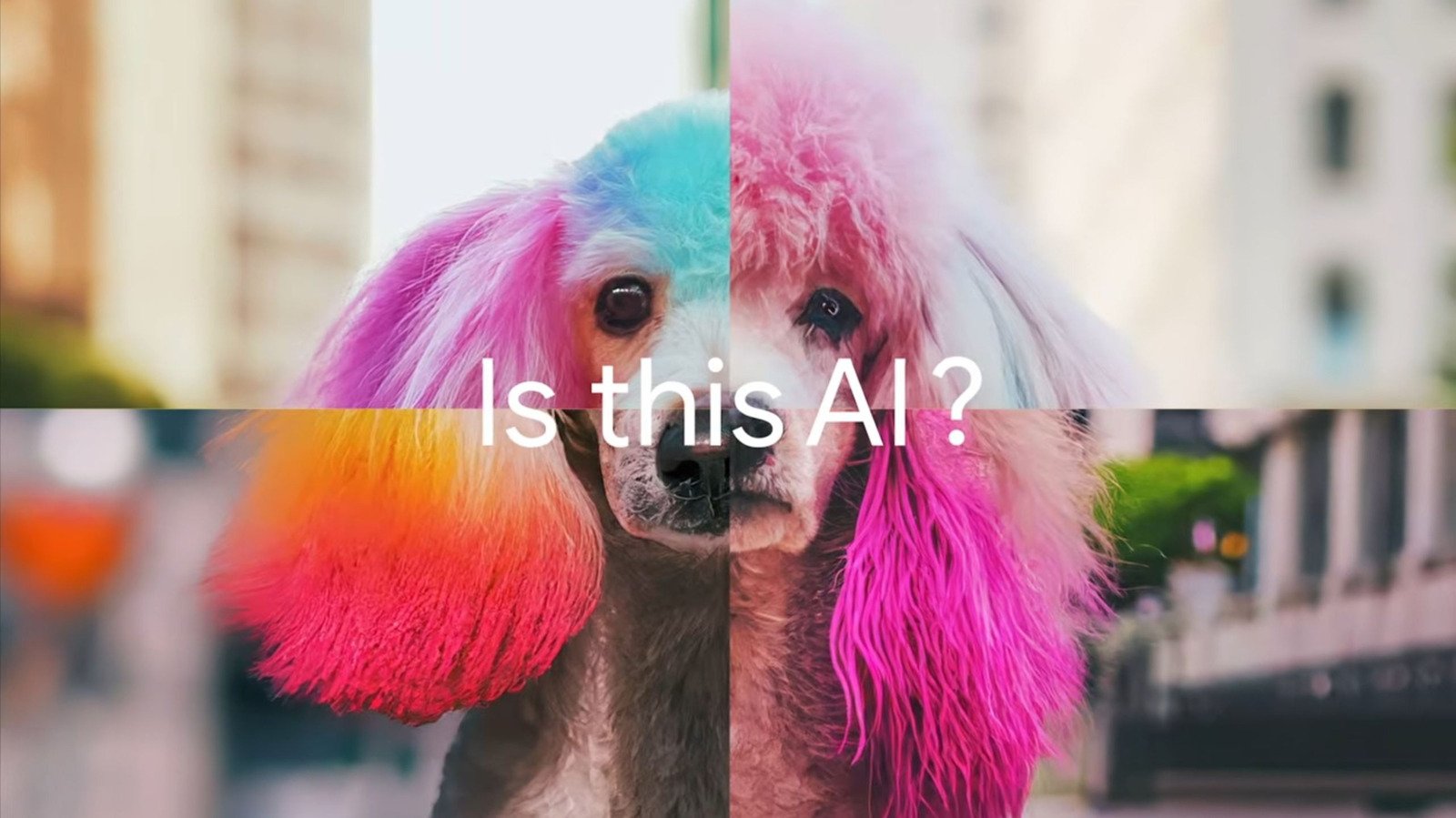
SynthID Detector Opens to Public as Deepfakes Surge
The rapid rise of synthetic media has prompted a significant response from Silicon Valley, with Google now opening its SynthID Detector to the general public. By allowing users to scan files for specific watermarks, the SynthID Detector aims to bring a much-needed layer of accountability to an era where AI-generated content is increasingly indistinguishable from real-world photography and audio recordings.
This initiative, which began as a limited pilot in 2025, represents a major shift in how tech companies handle the authentication of their own output. Previously, verifying content required specialized technical knowledge or reliance on the very AI models that created the media in question. Now, the SynthID Detector acts as a standardized, accessible gateway for verifying media provenance.
Synthid Detector: Technical Realities Behind the Verification Process
It is important to understand that the SynthID Detector is not an all-knowing oracle of digital authenticity. Instead, it is a specialized scanner that looks for specific digital signatures embedded during the generation phase. If an AI tool does not utilize the SynthID framework, the detector will return a negative result regardless of whether the content is synthetic or organic.
This approach prioritizes precision over breadth. By focusing on verified watermarks, Google significantly reduces the risk of flagging human-made art as synthetic, a common failure point for legacy detection tools. However, the reliance on these signatures means that malicious actors who manage to strip or bypass watermarks can still evade detection. The system is a tool for transparency, not a total solution for digital forgery.
What This Means for Everyday Content Consumers
For the average consumer, the arrival of the SynthID Detector means that popular media platforms may soon have a more reliable way to label synthetic content. With partners like OpenAI, NVIDIA, and Kakao already on board, the ecosystem of traceable AI is growing. Google is clearly positioning this as a cornerstone for future media literacy.
- Public accessibility allows for rapid, real-time verification of files.
- The tool works across image, video, and audio formats.
- Cross-industry collaboration ensures a wider range of detectable content.
- Daily usage limits are in place to preserve service integrity.
Ultimately, the effectiveness of this technology hinges on mass adoption among AI developers. If every major player adopts a similar watermarking standard, the SynthID Detector could become the standard for internet verification. Until that happens, users should view the results as helpful indicators rather than absolute proof. As we move forward, the combination of user-facing tools and backend watermarking will be critical in maintaining the integrity of our digital information landscape.
