


How Fossil Fuels Interrupted Natural Planetary Cooling
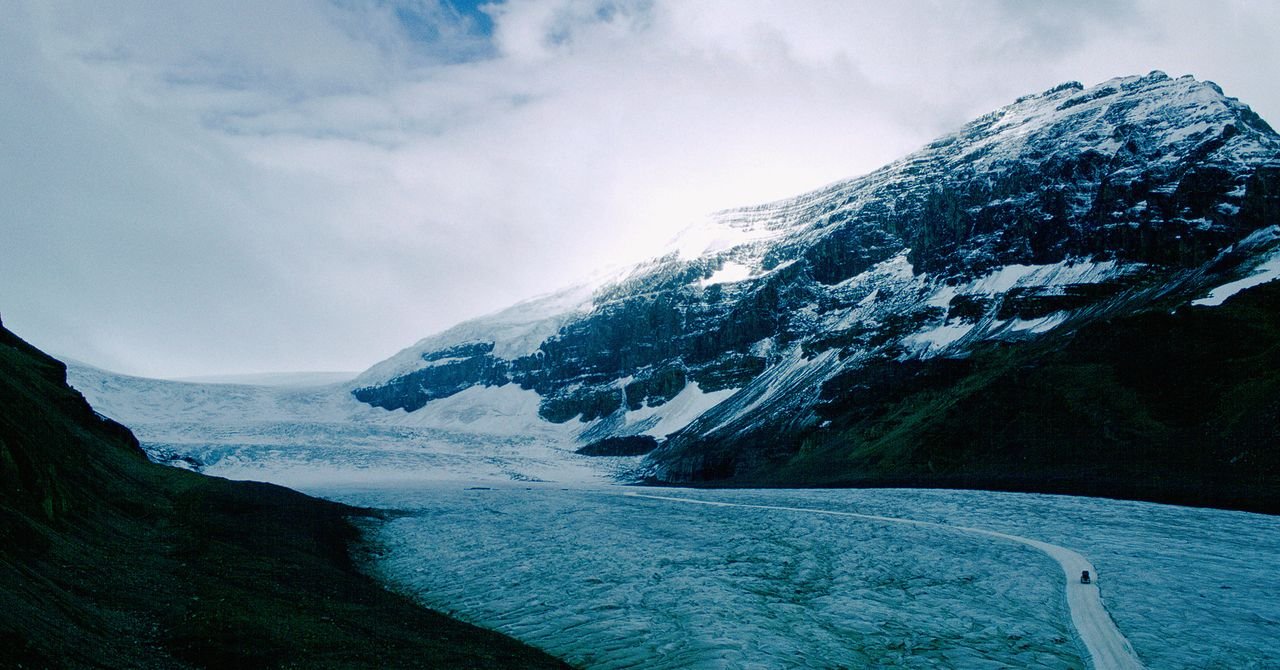
Earth’s historical climate rhythm relies heavily on Milankovitch Cycles, which dictate regular shifts between extended ice ages and warm interglacial periods. However, new research indicates that the widespread adoption of fossil fuels halted a looming glacial phase. Scientists discovered that carbon emissions quickly reversed the growth of the Barnes Ice Cap starting in the mid-20th century.
Fossil Fuels: Analyzing Baffin Island’s Frozen Relic
Located on Baffin Island in Canada, the Barnes Ice Cap is uniquely frozen to the underlying bedrock. This unusual geological trait protected ancient vegetation underneath the ice for millennia. Researchers utilized exposure dating techniques, measuring Beryllium-10 isotopes on nearby rocks to determine precisely when the ice cap reached its current size thousands of years ago.
- Study published in the academic journal Science.
- Moss samples preserved beneath advancing ice helped establish precise timelines.
- Global industrialization altered natural cooling patterns beginning in the 1960s.
The Tundra Evidence Left Behind by Glaciers
As the ice cap expanded historically, it swallowed and preserved tundra mosses in its path. Paleoclimatologists used these preserved organic samples to reconstruct how the ice advanced and retreated over centuries. When emissions ramped up globally, the accelerated warming stopped this natural cycle in its tracks.
While burning fossil fuels successfully blocked a potential ice age, the trade-off has triggered rapid planetary warming, ecosystem destabilization, and severe coastal erosion worldwide.
The Bottom Line on Anthropogenic Climate Shift
This discovery provides an extraordinary look at humanity’s deep footprint on Earth’s climate system. Proving that fossil fuels stopped a nascent ice age underscores just how sensitive global thermal balances really are. Moving forward, climate scientists will use these historical data points to better forecast future warming trends and prepare for the ongoing ecological consequences of industrial emissions.
For full official background and direct documentation, read the source coverage on wired Reporting.
