


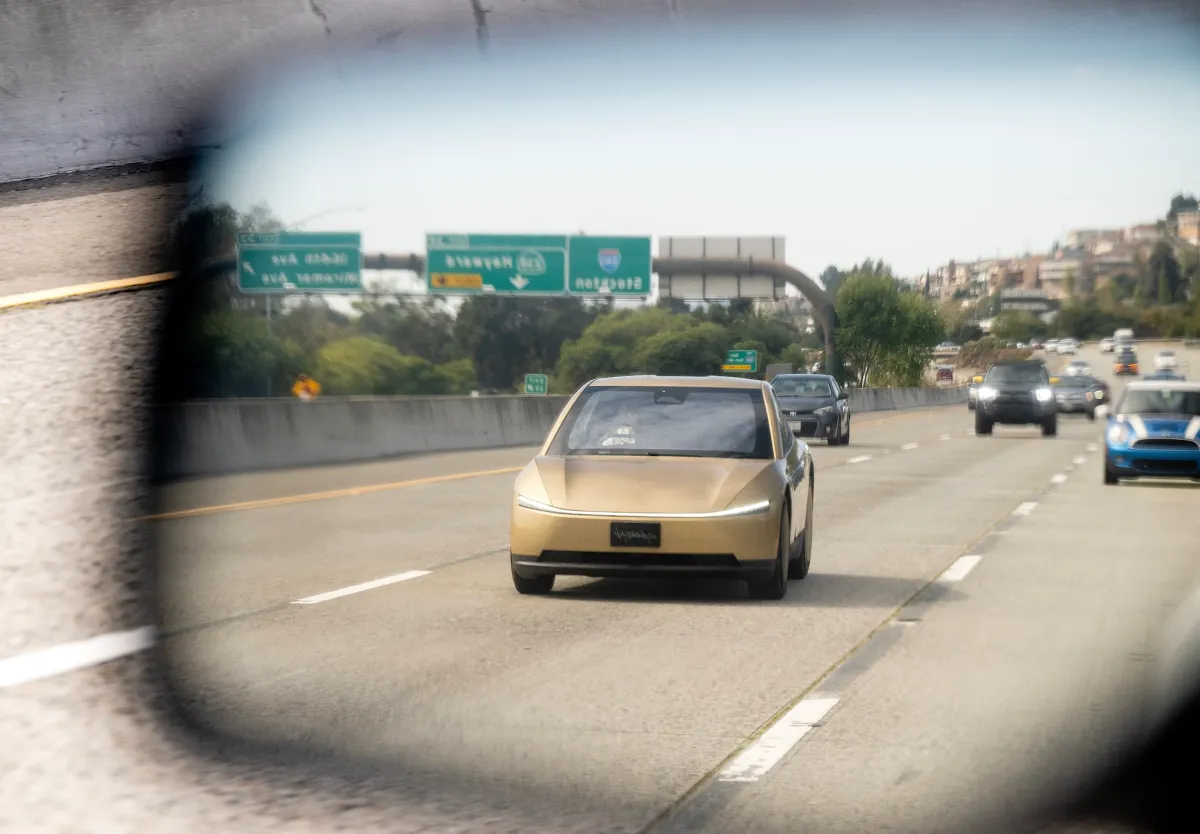
Autonomous Vehicles: New Federal Lighting Rules Target Driverless Car Safety
Federal transportation authorities continue shaping the regulatory landscape for autonomous vehicles across the United States. The National Highway Traffic Safety Administration issued a proposal introducing new lighting standards designed to indicate when a car operates completely without human intervention. Instead of relying on guesswork, pedestrians and human drivers could soon spot self-driving tech instantly.
The agency’s proposal suggests outfitting autonomous vehicles with steady cyan lighting visible from all angles. While the specification is not yet a hard mandate, it establishes strict guidelines for mounting locations and activation triggers. Furthermore, the updated framework aims to eliminate outdated mandates requiring manual steering wheels and physical turn signal stalks in fully automated pods.
Autonomous Vehicles: General Motors Prepares Software-First Shift for 2028
While federal agencies rewrite safety rules, legacy manufacturers are aggressively modernizing their vehicle platforms. General Motors detailed its ongoing transition toward centralized computing architectures during a recent showcase. By overhauling electrical hardware, the company aims to deliver faster over-the-air updates and advanced driver assistance features.
This computational overhaul officially arrives in 2028 with the flagship Cadillac Escalade IQ. Alongside the hardware refresh, GM plans to introduce a hands-free, eyes-free highway driving mode. By utilizing enterprise artificial intelligence internally, the automaker successfully cut its vehicle development lifecycle in half compared to traditional timelines.
Comparing Modern Compliance and Traditional Rules
Adapting legacy regulations to modern vehicle designs poses significant challenges for engineers. Vehicles lacking steering wheels or rearview mirrors do not fit comfortably into decades-old federal motor vehicle safety standards. Regulatory bodies must therefore modernize their frameworks to accommodate futuristic prototypes without sacrificing road safety.
- Indicator Color: Cyan blue-green
- Visibility Requirements: 360-degree exterior coverage
- Deployment Target: 2028 vehicle lineups
- Core Focus: Hands-free highway autonomy
Although establishing uniform rules takes years of deliberation, clear visual indicators remain crucial. Because road safety depends on predictable communication between drivers, identifying autonomous vehicles effectively prevents confusion during complex traffic maneuvers.
What This Means Going Forward
Ultimately, these regulatory proposals highlight how quickly transportation technology is evolving. As automakers deploy advanced software assistants and autonomous driving modes, public infrastructure must adapt in tandem. Clear exterior signals and flexible federal rules will dictate how smoothly autonomous vehicles integrate into everyday traffic over the coming years.
For full official background and direct documentation, read the source coverage on techcrunch Reporting.
