


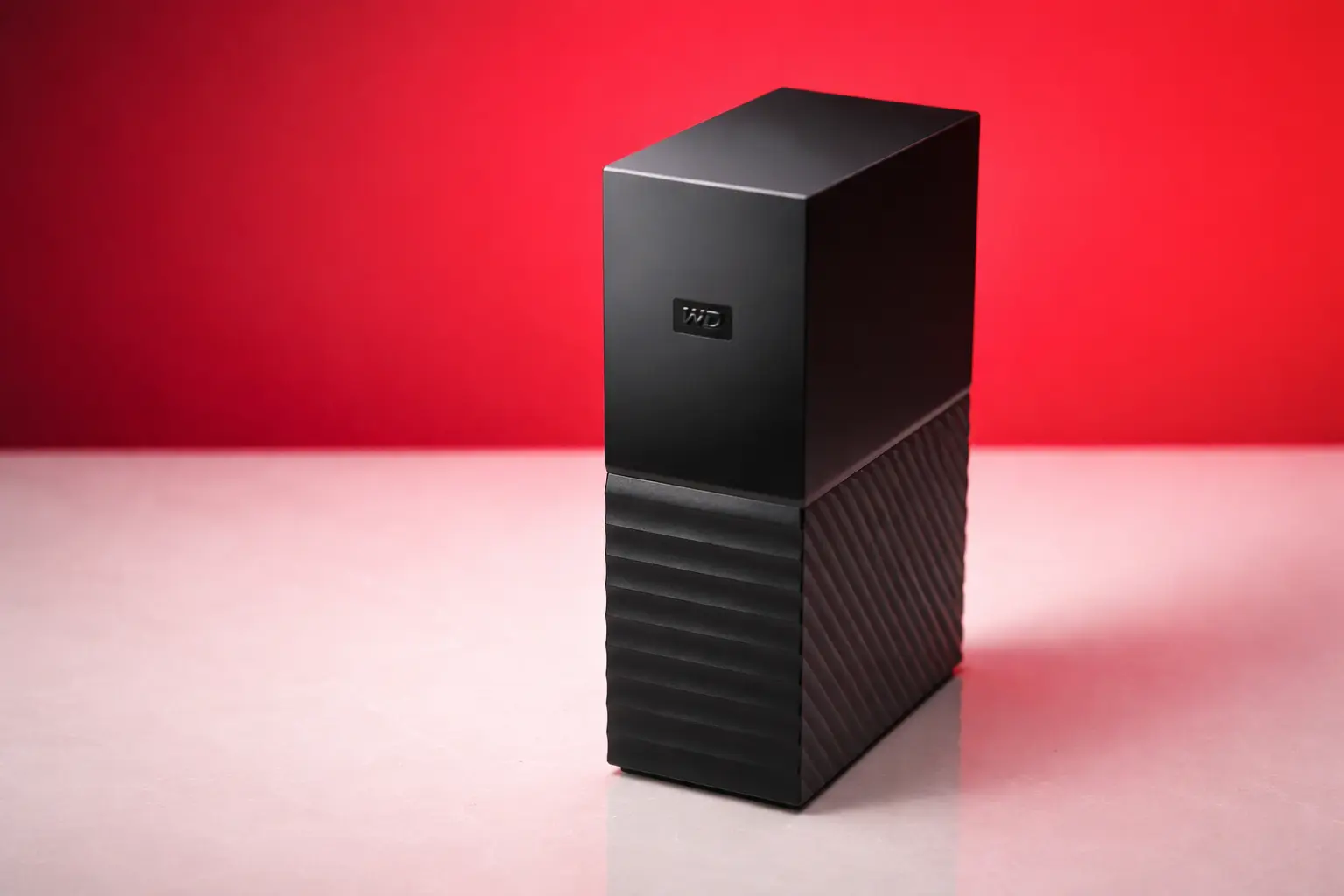
Most of us treat external hard drives like a cheap, always-available safety net. That assumption may break soon. Western Digital says surging demand from a handful of large enterprise buyers is consuming future supply, which could make retail hard drives harder to find and more expensive.
Hard drives were supposed to fade away once SSDs took over. Instead, HDDs quietly regained importance because they still deliver the lowest cost per terabyte for bulk storage. Data centers and AI companies need massive, affordable capacity, and HDDs fit that job better than SSDs in many storage-heavy workloads. When big buyers move in, everyday shoppers usually lose.
Western Digital Says 2026 Supply Is Basically Spoken For
During a recent earnings call, WD CEO Irving Tan said the company is effectively sold out of hard drives for calendar year 2026 due to firm purchase orders from its “top seven customers.” He also indicated that some agreements extend into 2027 and even 2028. If that holds, retail inventory could tighten sharply once current stock clears out.
This shift tracks a larger trend: storage vendors now prioritize hyperscalers and enterprise clients over consumer shelves. WD earns the bulk of its revenue from enterprise and cloud-facing business, so it has a strong incentive to serve the customers who buy in huge volume and sign long contracts.
Why AI and Data Centers Prefer HDDs Over SSDs
AI doesn’t just require GPUs and RAM—it also needs oceans of data storage for training sets, logs, backups, and versioned datasets. HDDs remain the cheapest way to store “cold” and “warm” data at scale. That cost advantage makes them a default choice for cloud storage services and enterprise archives, especially when budgets and energy per stored terabyte matter.
For consumers, the outcome is simple: fewer drives on shelves, higher prices, and more pressure to “rent” storage through subscriptions instead of owning a physical backup.
Eco-Friendly Angle: Reduce E-Waste and Storage Footprint
If hard drives become scarce, the green move is to extend what you already own. Reuse older drives for backups, consolidate duplicates, and keep only high-value files. Use efficient formats for videos, dedupe photo libraries, and apply a 3-2-1 backup strategy so you don’t hoard unnecessary copies. When you do buy, choose larger-capacity drives to reduce packaging and per-terabyte overhead.
In short, AI-driven demand may squeeze retail HDD supply. Planning now saves money, reduces e-waste, and keeps your personal storage independent.
