

Close Menu

    Subscribe to Updates

    Get the latest creative news from FooBar about art, design and business.

    What's Hot

    AI Mathematics Controversy: Did OpenAI Cross a Line?

    September 12, 2026

    LinkedIn Browsergate Lawsuit Dismissed by Federal Judge

    September 12, 2026

    OpenAI Pulls Caltech Mathathon Sponsorship Amid Mathematician Backlash

    September 12, 2026
    Facebook X (Twitter) Instagram
    techdrogo.comtechdrogo.com
    • Home
    • About Us
    • Legal
      • Disclaimer
      • Privacy Policy
      • Terms and Conditions
    • Contact Us
    Facebook X (Twitter) Instagram
    techdrogo.comtechdrogo.com
    Home » AI-Made Passwords Can Be Surprisingly Easy to Crack
    Innovation

    AI-Made Passwords Can Be Surprisingly Easy to Crack

    Tech DrogoBy Tech DrogoFebruary 19, 2026Updated:February 19, 2026No Comments2 Mins Read
    Facebook Twitter Pinterest Telegram LinkedIn Tumblr WhatsApp Email
    Share
    Facebook Twitter LinkedIn Pinterest Telegram Email

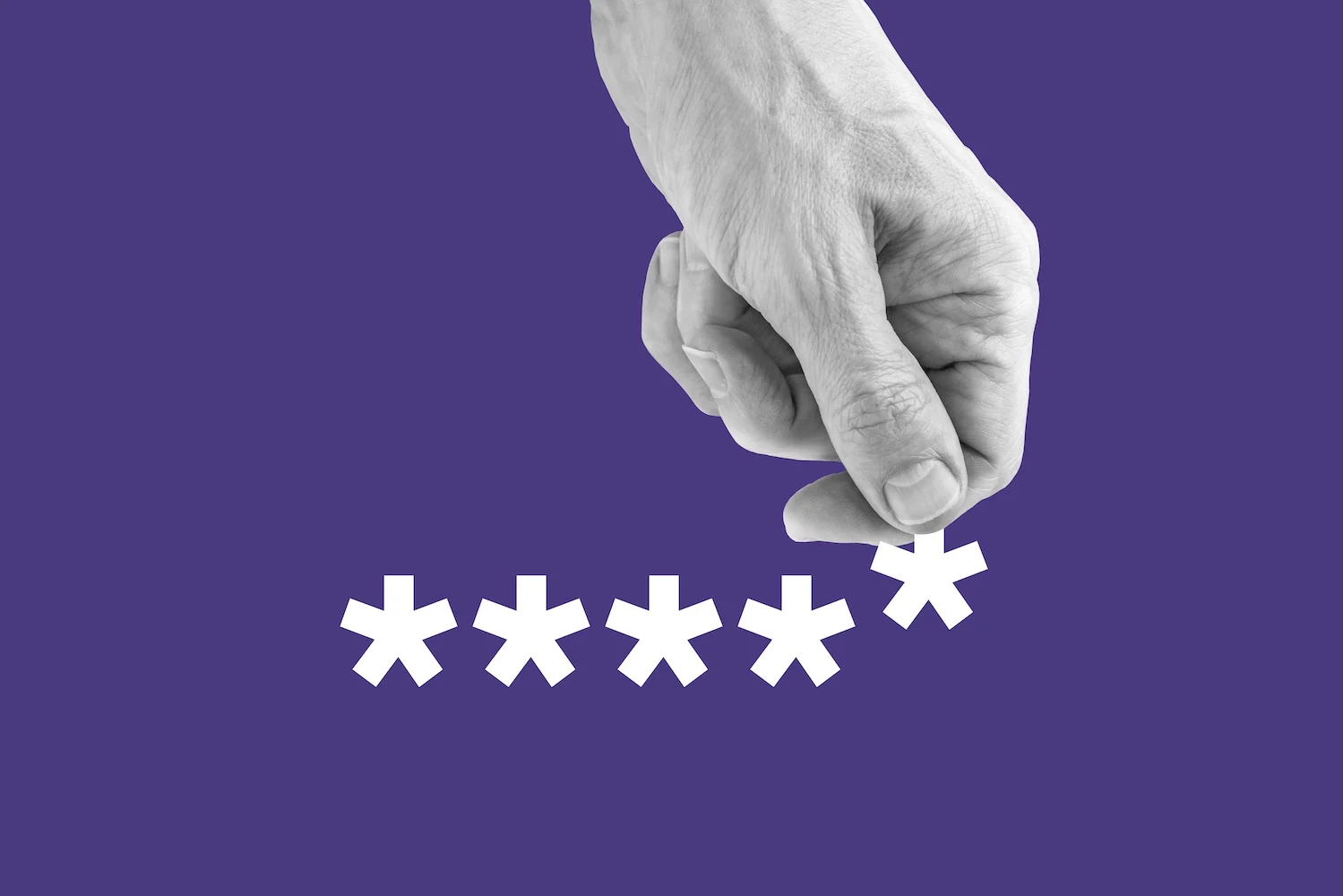
    AI tools can generate passwords that look strong, but new testing suggests they’re far easier to guess than they appear. Cybersecurity firm Irregular asked major models (Claude, ChatGPT, and Gemini) to create 16-character “secure” passwords with mixed symbols, numbers, and letters. Many outputs even scored “strong” in common password checkers—yet Irregular says the strings remain predictable at the pattern level.

    The core issue is simple: large language models optimize for plausible text, not true randomness. In Irregular’s tests, each model repeatedly favored narrow character sets and common structures, which makes targeted guessing dramatically easier than a truly random password.

    Why AI-generated passwords fail the randomness test

    Irregular reports that truly secure passwords should average about 6.13 bits of entropy per character, but LLM-generated passwords landed closer to 2.08 bits per character. In practical terms, a properly random 16-character password can reach roughly 98 bits of entropy, while the AI outputs measured closer to ~27 bits—a huge drop in resistance to brute-force attacks.

    Researchers also flagged “too-clean” behavior that signals non-randomness. For example, the models avoided repeated characters at rates that would be unlikely in truly random strings, which ironically makes them easier to fingerprint and prioritize in attacks.

    What to do instead (safe + practical)

    • Use a password manager or OS password generator (they rely on cryptographically secure randomness).
    • Move important accounts to passkeys where available.
    • Turn on MFA (authenticator app or hardware key beats SMS).
    • If you already used an AI-made password for a sensitive account, change it now and rotate any reused variants.

    Eco-friendly SEO angle: secure passwords reduce wasted compute

    Weak, predictable passwords invite more brute-force attempts—often powered by GPU-heavy cracking rigs. Stronger, truly random credentials reduce attack cycles, incident response work, and repeated reprocessing of logs and restores. In other words, better password hygiene supports sustainable cybersecurity by cutting avoidable compute energy and digital waste over time.

    Share. Facebook Twitter Pinterest LinkedIn Tumblr Email
    Tech Drogo

    Related Posts

    LinkedIn Browsergate Lawsuit Dismissed by Federal Judge

    September 12, 2026

    US Robot Mower Ban Locks Out the Best New Edge-Cutting Models

    September 7, 2026

    Anker MindBase: A New Smart Home Hub With Built-In AI and Storage

    September 3, 2026

    Why OpenAI Isn’t Building Smart Glasses Anytime Soon

    September 2, 2026

    Dreame A4 AWD Pro: New Robot Mower Adds Edge-Trimming Arm

    September 2, 2026

    TCL D2 Pro Smart Lock Now Supports Matter Over Thread

    August 27, 2026
    Leave A Reply Cancel Reply

    Top Reviews
    Editors Picks

    AI Mathematics Controversy: Did OpenAI Cross a Line?

    September 12, 2026

    LinkedIn Browsergate Lawsuit Dismissed by Federal Judge

    September 12, 2026

    OpenAI Pulls Caltech Mathathon Sponsorship Amid Mathematician Backlash

    September 12, 2026

    Apple ‘Surprise and Shine’ Event: Live iPhone Updates

    September 9, 2026
    Advertisement
    Demo
    About Us
    About Us

    Your source for the lifestyle news. This demo is crafted specifically to exhibit the use of the theme as a lifestyle site. Visit our main page for more demos.

    We're accepting new partnerships right now.

    Email Us: info@example.com
    Contact: +1-320-0123-451

    Our Picks

    AI Mathematics Controversy: Did OpenAI Cross a Line?

    September 12, 2026

    LinkedIn Browsergate Lawsuit Dismissed by Federal Judge

    September 12, 2026

    OpenAI Pulls Caltech Mathathon Sponsorship Amid Mathematician Backlash

    September 12, 2026
    Top Reviews
    © 2026 All rights reserved. TechDrogo.
    • Home
    • Privacy Policy
    • Contact Us
    • About Us
    • Disclaimer
    • Terms and Conditions

    Type above and press Enter to search. Press Esc to cancel.