


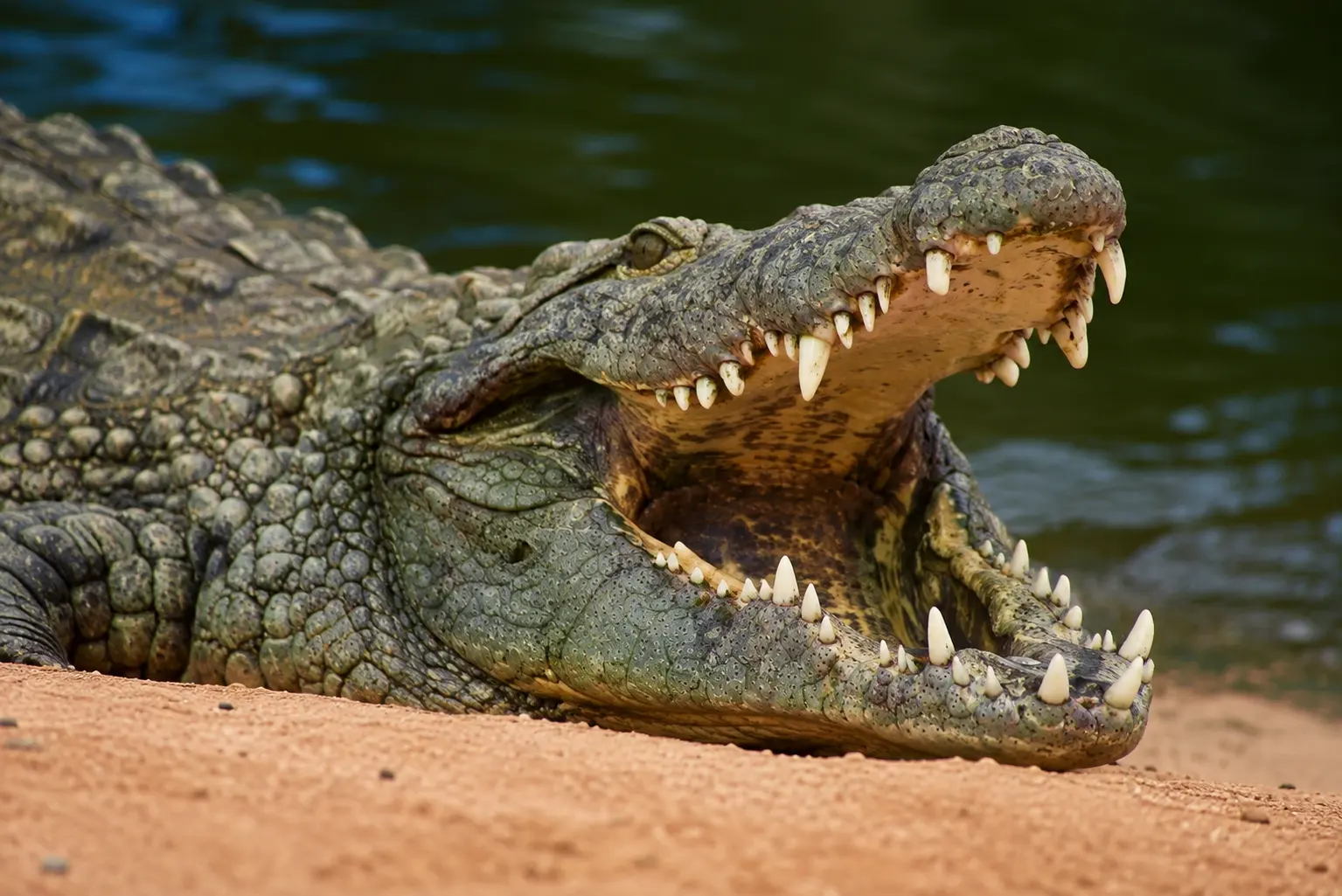
One AI-generated crocodile image has landed a 30-year-old man in serious legal trouble in Singapore. Authorities say Ye Lin, originally from Myanmar, shared a fake picture of a crocodile in a reservoir at a popular public park. He may have meant it as a joke. The response, however, was entirely real.
What Happened at the Park
Park staff saw the image and treated the threat seriously. They shut down all water activities in the area right away. Then they spent two days searching the reservoir.
Of course, they found no crocodile. Once officials realized the image was fake, the park authorities reported the matter to police. Police arrested Lin, and his case is now moving through Singapore’s court system.
Charges Over the Fake Image
Lin faces a charge of sharing a false image. In Singapore, that offense carries up to three years in prison. A fine of up to S$10,000 (about $7,800) can also apply, either alone or on top of jail time.
The case became more serious after the arrest. Authorities allege that Lin deleted the image and the Gemini tool he reportedly used to create it. As a result, he now faces an extra charge of obstructing the course of justice.
That second charge could add up to seven more years behind bars. It may also bring a fine, although the BBC report does not say how much. In total, Lin could face up to ten years in prison for a single prank.
Why Singapore Takes Fake Content So Seriously
Readers in Western countries may find these penalties extreme. Singapore, however, has long been known for heavy punishments across many types of crime. Officials would likely point to the country’s safety record in response.
Gallup’s latest Global Safety Report supports that argument. It ranks Singapore second on its Global Law and Order index, behind Tajikistan. The country shows little sign of softening its approach.
Lessons From the AI Crocodile Hoax
This case shows that a fake image can carry real costs. Staff closed a public area and spent two days on a pointless search. Those resources could have gone to genuine safety work.
It also shows how risky it is to post AI content without thinking. Before you share something realistic but invented, consider who might believe it. Check the local laws too, because penalties differ widely between countries. Finally, deleting evidence rarely helps. In this case, it reportedly made matters worse.
