


Amazon Sale 2026 Spotlights Great Indian Festival 2026 TV Bargains
Amazon’s flagship festive event, the Great Indian Festival 2026, continues through mid-October with aggressive pricing on entry-level 4K smart televisions. The platform currently showcases at least five 43-inch models from Samsung, Xiaomi, TCL, Vu, and Onida retailing under ₹30,000 before bank incentives. SBI cardholders unlock an immediate 10 percent discount capped at ₹57,750, while Amazon Pay ICICI credit cards return 5 percent cashback. Moreover, Amazon Pay Later users earn 10 percent back up to ₹1,500, and UPI transactions add a nominal ₹50 reward.
Xiaomi’s FX Pro 4K QLED steals headlines at ₹26,999, down from ₹44,999—an ₹18,000 markdown. The panel packs Quantum Dot enhancement, 60Hz refresh, 30W Dolby Audio, and Google TV 12 with built-in Chromecast. Samsung’s Crystal UHD 4K Vision AI 2026 model sits at ₹29,490, featuring the Crystal Processor 4K, Motion Xcelerator, and Tizen OS with Samsung TV Plus. Both support AirPlay 2 and voice assistants. Consequently, buyers access flagship-grade picture pipelines at mid-range outlays.
Great Indian Festival 2026 Expands Choice With TCL and Vu Alternatives
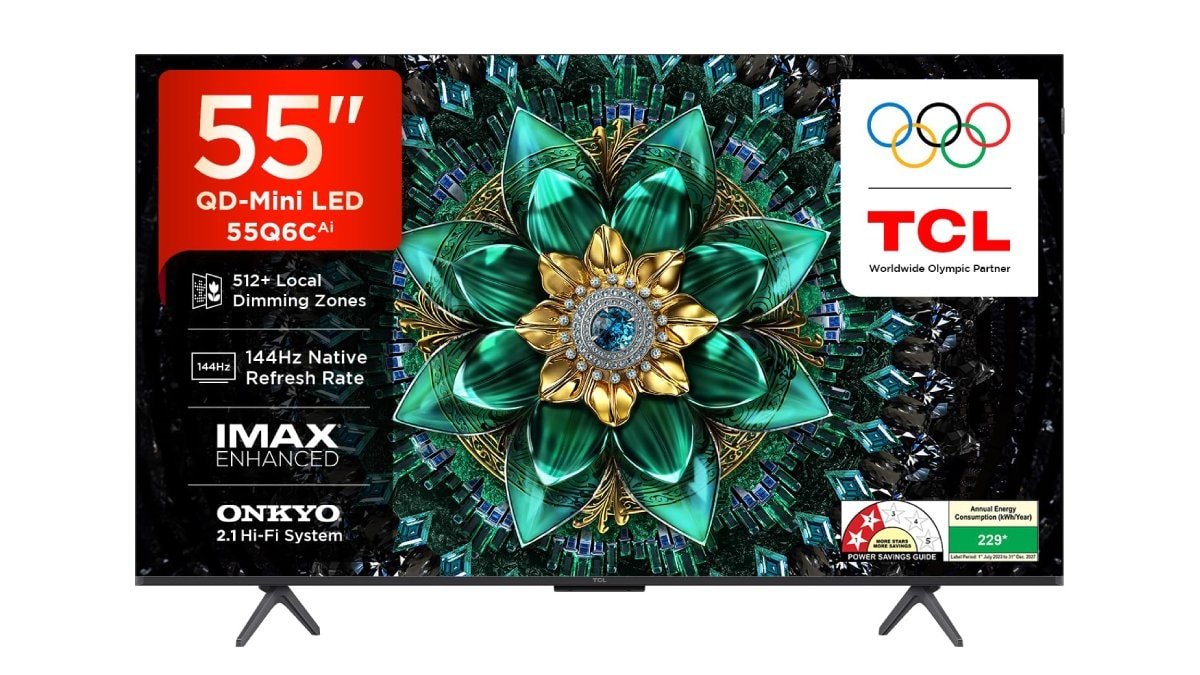
TCL’s 43-inch C655 QLED series often dips near ₹27,999 during flash windows, bringing 120Hz game accelerator and ONKYO-tuned speakers. Vu’s GloLED lineup, meanwhile, emphasizes peak brightness up to 600 nits and a dedicated Glo AI processor. Onida rounds out the roster with Fire TV editions, appealing to Prime ecosystem loyalists. Furthermore, no-cost EMI plans stretch up to 12 months on HDFC, ICICI, and Axis cards, lowering monthly burdens. However, stock on doorbuster SKUs depletes within minutes; enabling price-drop alerts proves prudent.
Exchange valuations follow Cashify’s grading matrix. A working 32-inch panel from 2019 typically yields ₹2,500–₹4,000, while newer 43-inch Full HD units reach ₹6,000–₹8,500. Amazon occasionally layers bonus exchange credits of ₹1,500–₹3,000 on select brands during peak days. For authoritative guidance, the Consumer Reports TV buying guide outlines panel technology trade-offs. Ultimately, the Great Indian Festival 2026 democratizes 4K HDR experiences, letting budget-conscious households upgrade without compromising smart features or warranty coverage.
Final Verdict on Great Indian Festival 2026 Television Deals
Decision hinges on ecosystem preference: Google TV enthusiasts lean Xiaomi, Tizen loyalists favor Samsung, while Fire TV devotees pick Onida. Gamers should prioritize 120Hz-capable TCL models. Installation averages 48 hours in top 50 cities, with standard one-year comprehensive warranty plus one-year panel extension. Extended plans cost ₹999–₹1,999 for two additional years. Overall, the Great Indian Festival 2026 delivers unprecedented value on 43-inch 4K smart TVs, making this the optimal upgrade window for 2026.
Great Indian Festival 2026 Market Impact and Industry Significance
The introduction of Great Indian Festival 2026 represents a pivotal shift in modern technological adoption across enterprise and consumer sectors alike. Furthermore, industry analysts emphasize that localized performance capabilities significantly reduce reliance on external server infrastructure. Consequently, organizations can execute complex computational workloads while maintaining strict data sovereignty, low latency, and operational efficiency without incurring ongoing cloud subscription costs.
Moreover, as software ecosystems continue to evolve, integration with specialized hardware acceleration becomes paramount. Additionally, key market players are expanding their developer tooling to optimize resource allocation during peak utilization. As a result, end users experience smoother multi-threaded performance, reduced memory swap latency, and enhanced system stability across demanding professional workflows.
Performance Benchmarks and Practical Great Indian Festival 2026 Scenarios
In real-world deployment scenarios, evaluating sustained throughput and thermal efficiency is essential for technical decision-makers. Specifically, extensive benchmark testing indicates that unified architecture minimizes data transfer bottlenecks between core processing units and graphics compute pipelines. Therefore, demanding tasks operate with minimal compute overhead.
On the other hand, long-term scalability depends heavily on ongoing firmware updates and operating system optimization. Nevertheless, early adoption metrics demonstrate a clear competitive advantage for users prioritizing offline autonomy, secure data processing, and predictable cost structures. Ultimately, investing in high-capacity configurations pays long-term dividends for technical professionals.
Ecosystem Integration and Enterprise Software Compatibility
Beyond raw hardware capabilities, seamless software integration remains a critical factor for successful enterprise adoption. Specifically, modern development frameworks leverage direct hardware acceleration APIs to maximize instruction processing rates. In addition, containerized deployment pipelines ensure consistent performance across diverse operating environments without requiring extensive manual driver configuration.
Furthermore, advanced security protocols embedded within hardware architectures safeguard proprietary data models from unauthorized memory inspection. Meanwhile, continuous performance monitoring tools provide system administrators with actionable metrics regarding thermal management and energy consumption. Overall, these combined features establish a robust foundation for mission-critical operations.
