


Brazil Presidential Election Spurs Massive Voter Turnout Online
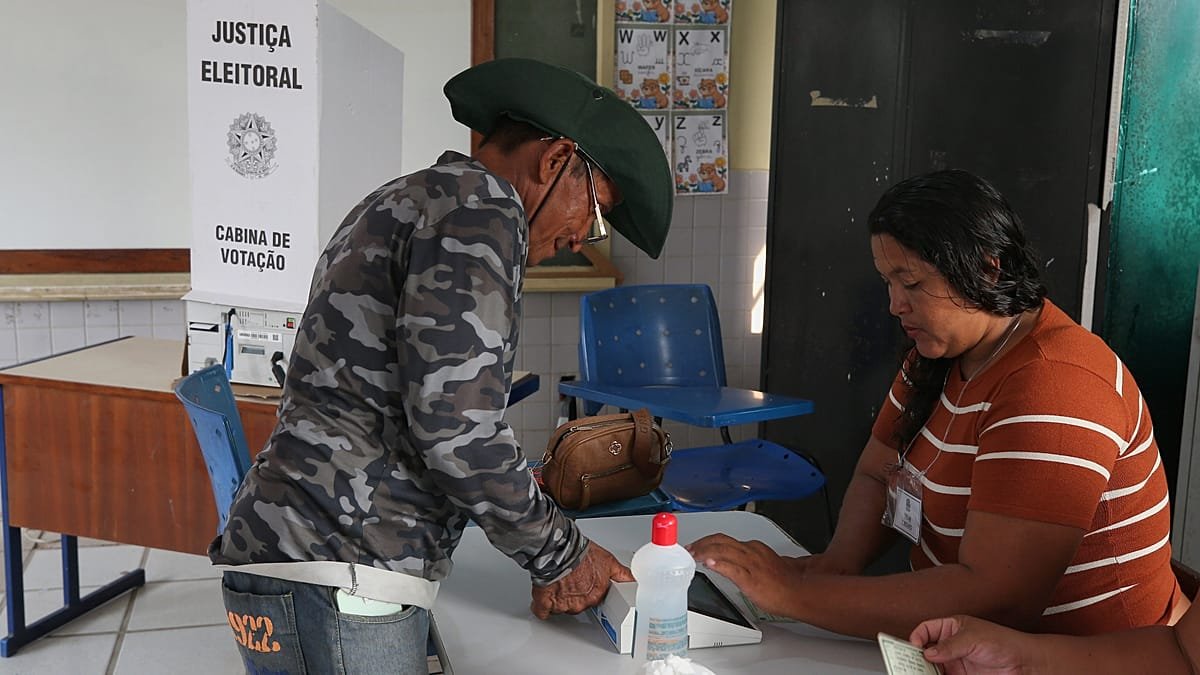
Millions of citizens participated in Sunday’s high-stakes presidential election, creating a massive wave of digital engagement and physical turnout across Brazil. Incumbent President Luiz Inácio Lula da Silva faced off against Senator Flávio Bolsonaro in a runoff that captured global attention. While voters in Rio de Janeiro endured long queues in Rocinha, residents in the Amazon rainforest utilized canoes and motorboats to navigate waterways and reach isolated polling stations.
In the capital city of Brasília, passionate supporters rallied openly, demonstrating the stark ideological divides splitting the electorate. Local authorities deployed security measures to maintain order, while digital platforms combated a surge of unverified claims. Because social media played an unprecedented role in shaping public discourse this cycle, tech analysts monitored platforms for automated interference.
Presidential Election: Digital Infrastructure and Real-Time Tracking
Managing the flow of voting data across 26 states requires robust digital infrastructure. Electoral boards utilized secure electronic ballot systems designed to transmit results rapidly once polls closed. Meanwhile, citizens tracked developments through live broadcasts and news updates. For comprehensive reporting on global governance trends, check out Reuters Americas.
- Electronic voting systems streamline the national count
- Digital platforms monitor and flag misinformation
- High voter engagement reported across urban and rural zones
- Results scheduled for release late Sunday night
Although technology has streamlined the voting process, human determination remained the defining feature of the day. From riverboats crossing the Amazon to crowded metro stations, citizens made their voices heard regardless of the friction.
The Bottom Line for South America’s Largest Economy
The conclusion of this presidential election will set the legislative and economic agenda for years to come. Markets and international partners are poised to react as soon as final figures are certified. Ultimately, the resilience demonstrated by everyday voters during this presidential election highlights the enduring strength of Brazilian democracy despite profound political friction.
