


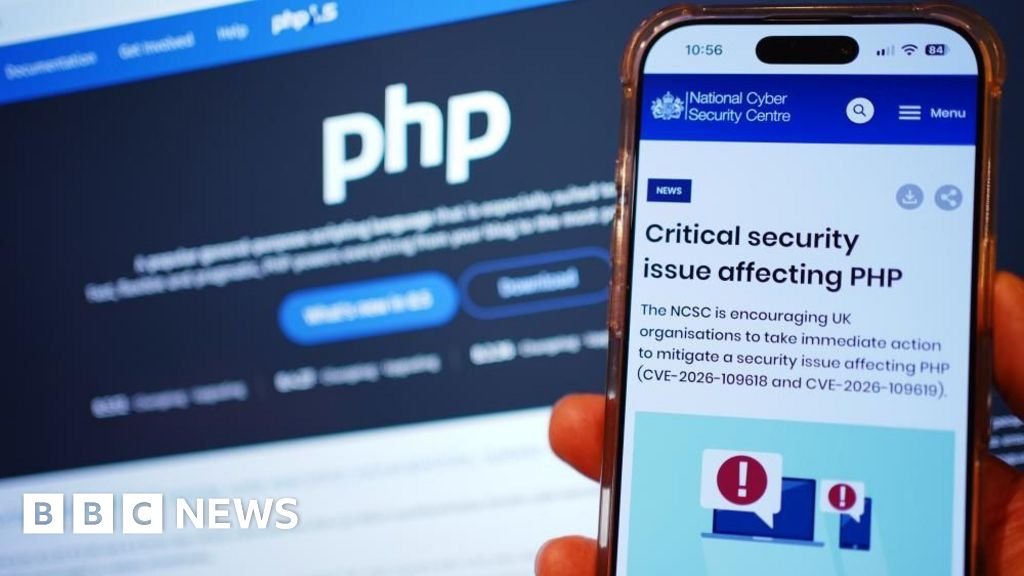
Emergency Outages Triggered by Severe PHP Security Flaw
A newly uncovered PHP security flaw has forced organizations around the world into a frantic race to update their web servers and safeguard sensitive data. Government agencies in the UK were among the first to proactively take dozens of digital services offline as a precautionary measure while emergency patches were deployed across vulnerable infrastructure.
The underlying programming language has served as a core building block for internet applications for decades. Because it runs on the server side to handle database interactions, any severe vulnerability opens up potential entry points for malicious actors seeking unauthorized access to enterprise backend systems.
Php Security Flaw: The Scale of the Global Response
Cybersecurity officials described the sudden discovery as an unprecedented event that will be felt universally across the tech sector. While swift preventative actions prevented any known successful breaches, experts caution that monitoring networks for lingering exploit attempts remains a top priority.
- Roughly three dozen state-linked services experienced temporary downtime.
- No large-scale public critical infrastructures suffered direct breaches.
- Global cybersecurity partners coordinated rapid advisory notifications.
- Administrators worked around the clock to verify software integrity.
In terms of Php Security Flaw, Local businesses also felt the ripple effects of the server shutdowns. Independent mechanics and regional service hubs reported being unable to process official documentation online, illustrating how deeply web-based dependencies are woven into daily commercial operations.
Lessons Learned for Enterprise and Government IT
This incident underscores the critical need for proactive vulnerability management across all levels of public administration. Cybersecurity researchers argue that regulatory bodies must practice what they preach by keeping their own internal servers updated ahead of standard compliance schedules.
Unlike localized software glitches, server-side exploits demand immediate coordination between core developers, hosting providers, and end-users. Failing to apply timely updates leaves digital storefronts and administrative portals exposed to automated scanning tools operated by opportunistic threat actors.
The Bottom Line on Software Resilience
In terms of Php Security Flaw, As normal operations gradually resume across affected networks, the episode highlights the ongoing challenge of maintaining legacy web frameworks. Organizations must treat codebase updates not as routine chores, but as vital defensive shields against evolving digital threats.
For ongoing guidance regarding secure development practices and mitigation strategies, visit resources provided by the National Cyber Security Centre to stay ahead of emerging vulnerabilities.
