


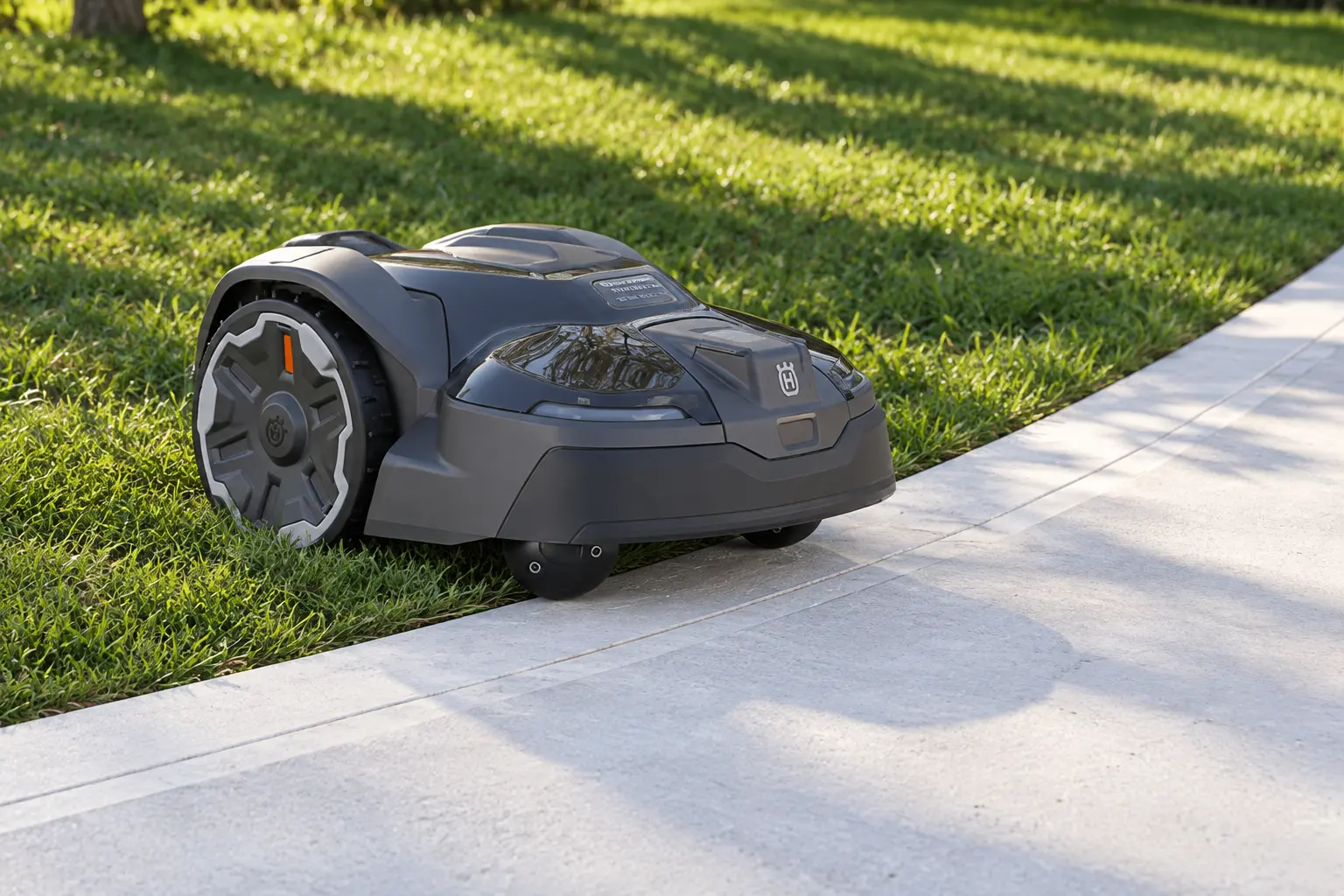
The first crack has appeared in one of the strictest tech import rules in recent memory. This week, the FCC issued a public notice confirming that the U.S. Department of War, formerly known as the Department of Defense, has granted a FCC robotics ban exemption to select companies, including Swedish robot mower maker Husqvarna and Taiwanese router manufacturer Asus. The decision marks a meaningful shift for an industry that has been effectively locked out of the U.S. market for new hardware.
What the Original Ban Covered
The exemption follows a broader ban the FCC announced just over a month earlier. That rule blocked new robotic devices not manufactured in the United States, sweeping in products like robot vacuums and robot lawn mowers. It arrived on the heels of a similarly sweeping Wi-Fi router ban the agency put in place back in March.
Together, these two rules created a serious bottleneck. Almost no routers or robots on the market could meet the strict manufacturing requirements. Companies placed on the FCC’s “covered list” were still allowed to sell devices already approved for the U.S. market. However, they had no path to introduce new products without a special waiver from the Department of War.
Who Received the New Exemption
Husqvarna stands out as the first robotics company to receive an exemption since the ban took effect. Its approval covers four specific platforms: the 305v IQ, 310v IQ, 420v IQ, and 440v IQ robotic systems. Unlike some of the other approvals issued this week, Husqvarna’s exemption has no expiration date attached.
Asus received a more limited version of this relief. The company can continue selling its RT Router Series, ROG GT Series, ROG Strix GS Series, TUF Gaming Series, ExpertWiFi Series, ZenWiFi Mesh Series, 5G MiFi Series, repeaters, and wireless access points. That approval, though, is set to expire on March 6, 2028. Comtrend, another Taiwanese manufacturer, received a similar temporary reprieve for several of its wireless routers.
Why This Matters for Husqvarna
In a statement posted to its website, Husqvarna explained that the exemption clears the way for its upcoming platforms, expected to launch in the U.S. in 2027, along with models already sold today. Company CEO Glen Instone framed the approval as a validation of Husqvarna’s engineering and privacy practices, pointing to the company’s adherence to strict EU consumer data rules.
That said, Husqvarna hasn’t built a dominant presence in the U.S. residential mower market so far. Instone acknowledged the company’s “limited residential penetration” while expressing confidence in future growth. For context, Husqvarna’s current lineup of automowers carries price tags well into the thousands of dollars, which may continue to limit mainstream adoption even with the new exemption in place.
What This Could Mean for Future Robot Mowers
Industry watchers have been closely tracking the fallout from the original ban. Just last week, reporting highlighted how the restrictions were keeping several promising robomower features out of American hands, including dedicated edge-trimming arms shown off at IFA in Berlin. None of Husqvarna’s approved platforms include that feature yet, but the exemption suggests regulators haven’t permanently closed the door for other manufacturers.
That raises hope for devices like the Eufy Lawn Mower S2 Max, which impressed reviewers with its own edge-trimming design. Whether that product or others like it will eventually earn a similar exemption remains uncertain. For now, though, Husqvarna’s approval offers the clearest sign yet that the FCC and Department of War are willing to grant case-by-case relief rather than maintain a blanket ban indefinitely.
