


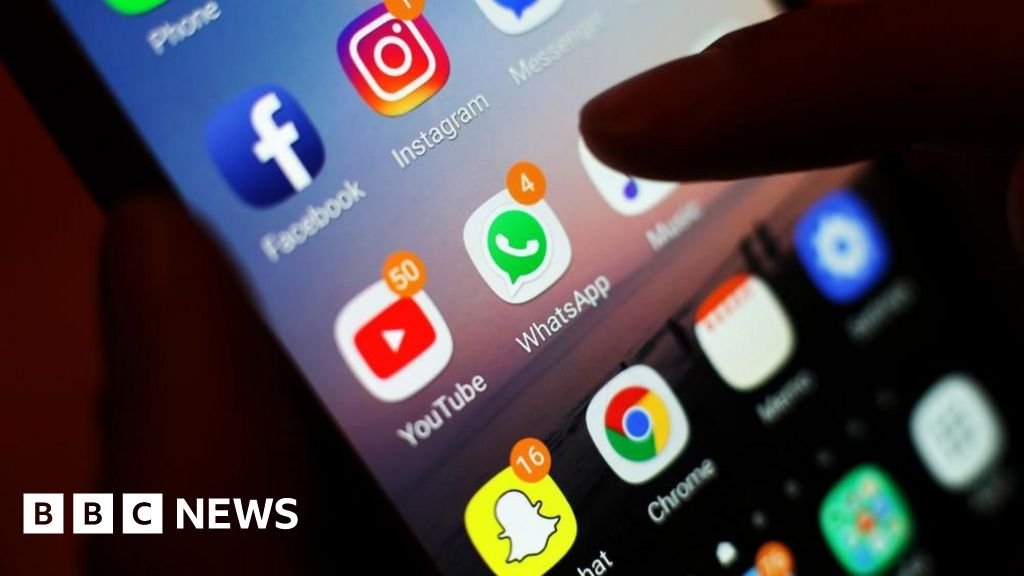
Social Media Access: Gabon Lifts Eight Month Ban on Popular Social Media Platforms
Gabon has officially brought back social media access following a controversial eight-month government blackout that drew sharp international criticism. The High Communication Authority confirmed the policy reversal during a televised statement, dismantling a digital barrier that originally isolated millions of internet users from major global communication networks.
The restriction first took effect when President Brice Oligui Nguema faced mounting social unrest and labor strikes regarding low wages. Regulators argued at the time that online platforms were inciting public conflict, prompting authorities to block traffic to essential apps like YouTube, TikTok, and Facebook across the country.
Social Media Access: The Technological Toll of Network Restrictions
Implementing a nationwide digital blockade creates massive friction for everyday consumers and digital economies. In Gabon, where younger populations depend heavily on mobile applications for digital commerce and remote work, the blackout crippled small businesses. To combat the restrictions, tech-savvy residents quickly turned to VPN software to bypass government filters.
- Original Policy Date: Imposed on February 17.
- Impacted Population: Approximately 2.5 million citizens.
- Primary Tools Used: VPNs and encrypted messaging clients.
Opposition figures repeatedly slammed the shutdown as an authoritarian abuse of power designed to suppress legitimate labor protests. While President Nguema secured a sweeping electoral victory following a historic coup that ended the Bongo dynasty, citizens expected a more transparent digital environment.
Why Digital Freedom Matters for Economic Growth
Reestablishing social media access signals a necessary step toward economic normalization for local entrepreneurs. Modern commerce thrives on open communication channels, and cutting off internet connectivity harms small businesses far more than it solves political disputes.
As digital networks normalize, tech analysts emphasize that future administrations must avoid knee-jerk censorship. Restoring social media access helps rebuild consumer confidence in digital infrastructure, proving that open communication is vital for modern governance.
The Bottom Line on Internet Censorship
The restoration of social media access highlights the futility of long-term digital blockades in an increasingly connected world. While political tensions remain high, citizens have made it clear that open digital communication is no longer optional.
For full official background and direct documentation, read the source coverage on Bbc.com Reporting.
