


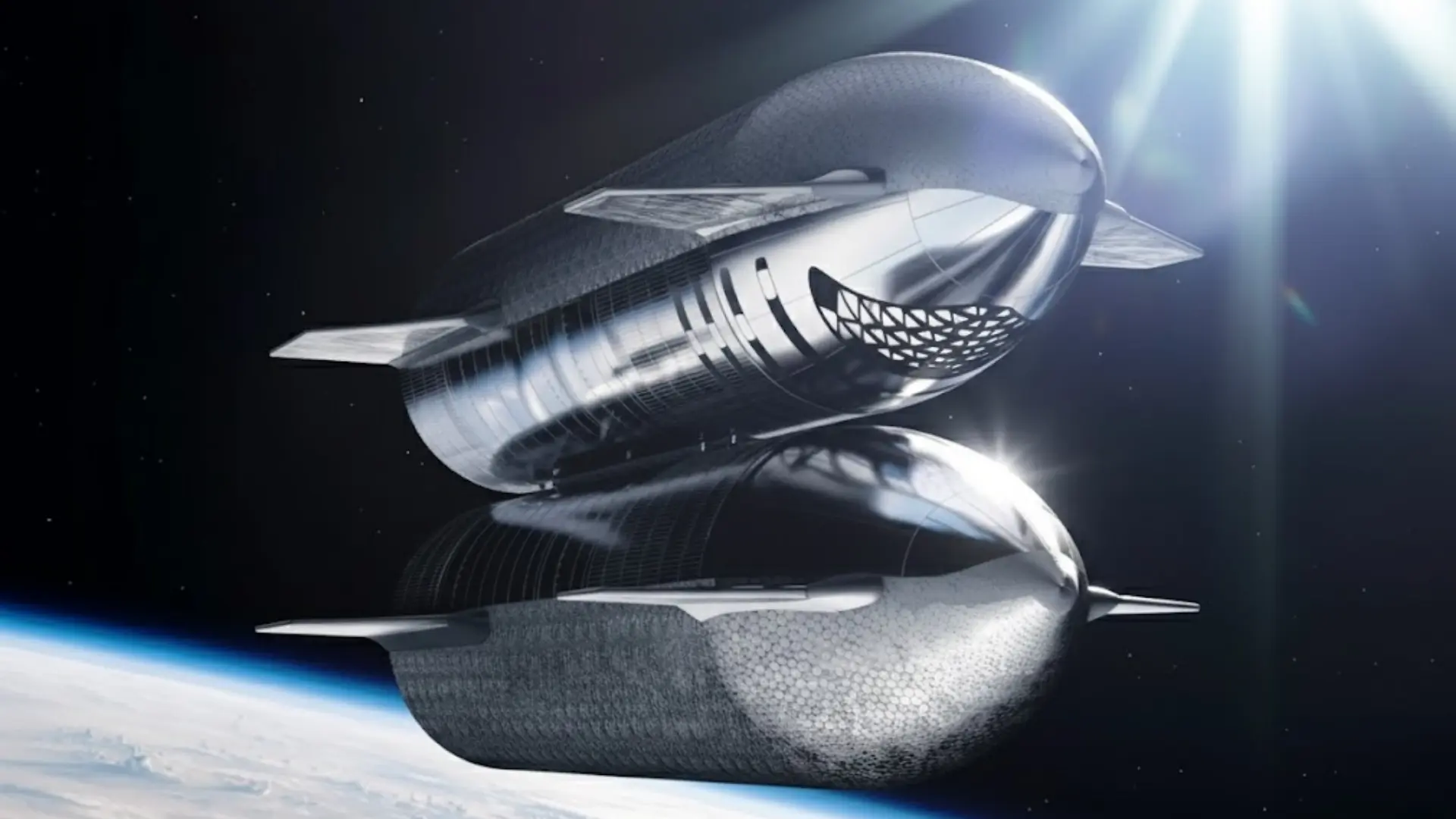
As 2025 draws to a close, the global spaceflight industry is accelerating toward an even more ambitious future. Momentum continues to build as governments and private companies prepare for a landmark year in 2026—one defined by innovation, exploration, and long-term sustainability beyond Earth. From next-generation launch vehicles to lunar missions and crewed journeys around the Moon, the coming year promises breakthroughs that will reshape humanity’s presence in space.
First Launch of Starship Version 3 (Early 2026)
SpaceX is preparing to debut Starship Version 3 (V3), the most powerful rocket ever developed. This next-generation launch system plays a critical role in advancing reusable spaceflight, reducing material waste, and lowering the environmental footprint of future missions through full reusability.
Starship V3 is engineered to support multiple objectives: returning American astronauts to the Moon, deploying advanced Starlink satellites to improve global connectivity, and laying the groundwork for sustainable Mars exploration. If development proceeds on schedule, the first launch could take place in early 2026.
Compared to Starship V2, the upgraded vehicle stands approximately five feet taller and carries a significantly larger propellant load. Engineers have also added new docking interfaces that enable in-orbit refueling—an efficiency-driven capability that minimizes the need for additional launches. This technology is essential for NASA’s Artemis 3 mission, which plans to use a modified Starship V3 as its Human Landing System to return astronauts to the lunar surface.
Competition in the lunar lander program remains intense. Blue Origin is developing its own Moon-landing architecture, creating a dynamic environment that encourages innovation, cost efficiency, and sustainable engineering across the industry.
As demonstrated during the early flights of Starship V2, testing new launch systems involves steep learning curves. Initial Starship V3 missions may encounter setbacks, including high-profile test failures. These outcomes, while challenging, provide valuable data that accelerates progress and improves long-term reliability.
The success of Starship V3 will directly influence the future of the Artemis program, the expansion of satellite-based global internet, and the broader transition toward cleaner, reusable space transportation. Whatever unfolds in 2026, these missions will mark a pivotal step toward a more sustainable and enduring era of space exploration.
