


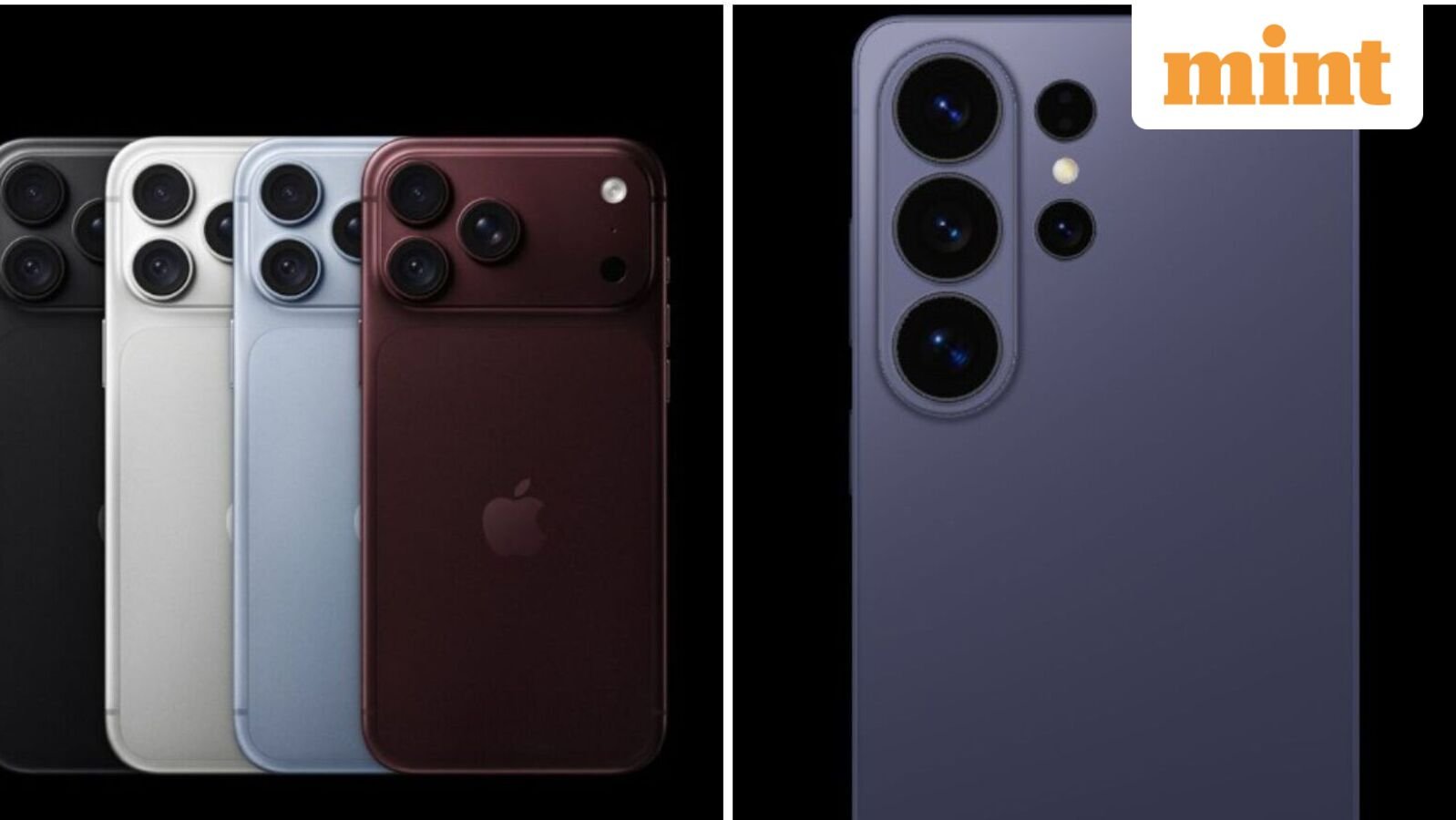
iPhone 18 Pro Max and Galaxy S26 Ultra Clash in Hardware Duel
The latest mobile rivalry is heating up as the iPhone 18 Pro Max goes head-to-head against Samsung’s most powerful handset. Both phones deliver exceptional performance, but they achieve their goals through vastly different engineering choices. Because consumers demand absolute perfection from premium flagships, comparing their core specifications reveals which device truly dominates.
Apple equips its premier device with a refined aluminum unibody frame, a 6.9-inch Super Retina XDR screen, and the powerhouse A20 Pro chip. Samsung responds with a lighter titanium-class build, an integrated privacy display, and the Snapdragon 8 Elite Gen 5 processor. Each brand brings distinct capabilities to the modern mobile market.
Display Innovations and Ergonomic Build Quality
Carrying a large phone all day requires comfortable ergonomics. The iPhone 18 Pro Max tips the scales at 249g, offering a sturdy feel reinforced by Ceramic Shield 2 glass on both sides. In contrast, Samsung’s contender weighs 214g, providing a noticeably lighter grip during extended web browsing sessions.
- iPhone 18 Pro Max Screen: 6.9-inch OLED with 3,000 nits brightness and Dynamic Island.
- Samsung Rival Screen: Includes hardware-level Privacy Display technology to restrict app visibility.
- Durability: Both flagships feature advanced water resistance and scratch-resistant exterior coatings.
While Apple focuses on maximizing outdoor legibility with 3,000 nits of peak brightness, Samsung focuses on digital security. The built-in privacy filter allows users to instantly obscure notifications, passwords, and chat logs from nearby onlookers.
Processing Muscle and Advanced Camera Systems
Performance junkies will find plenty to love inside the iPhone 18 Pro Max chassis. The A20 Pro architecture supports hardware-accelerated ray tracing and features advanced Neural Accelerators for on-device machine learning tasks. Meanwhile, Samsung promises substantial generational gains in graphics rendering and thermal dissipation.
When it comes to imaging, Apple relies on a triple 48MP Pro Fusion camera setup that excels in macro photography and ProRes video capture. Samsung counters with a high-resolution 200MP primary sensor and aggressive telephoto zoom lenses designed to capture distant subjects with crisp clarity.
The Bottom Line for Upgrading Your Phone
Deciding between these two technological powerhouses ultimately depends on what you value most in a daily driver. The iPhone 18 Pro Max delivers phenomenal video recording tools, seamless software updates, and exceptional build quality. Meanwhile, Samsung offers unmatched zoom flexibility and innovative display privacy features.
Be sure to analyze current market pricing and check independent reviews on sites like GSMArena before making your final purchasing decision.
Iphone 18 Pro Max Market Impact and Industry Significance
The introduction of Iphone 18 Pro Max represents a pivotal shift in modern technological adoption across enterprise and consumer sectors alike. Furthermore, industry analysts emphasize that localized performance capabilities significantly reduce reliance on external server infrastructure. Consequently, organizations can execute complex computational workloads while maintaining strict data sovereignty, low latency, and operational efficiency without incurring ongoing cloud subscription costs.
Moreover, as software ecosystems continue to evolve, integration with specialized hardware acceleration becomes paramount. Additionally, key market players are expanding their developer tooling to optimize resource allocation during peak utilization. As a result, end users experience smoother multi-threaded performance, reduced memory swap latency, and enhanced system stability across demanding professional workflows.
Performance Benchmarks and Practical Iphone 18 Pro Max Scenarios
In real-world deployment scenarios, evaluating sustained throughput and thermal efficiency is essential for technical decision-makers. Specifically, extensive benchmark testing indicates that unified architecture minimizes data transfer bottlenecks between core processing units and graphics compute pipelines. Therefore, demanding tasks operate with minimal compute overhead.
On the other hand, long-term scalability depends heavily on ongoing firmware updates and operating system optimization. Nevertheless, early adoption metrics demonstrate a clear competitive advantage for users prioritizing offline autonomy, secure data processing, and predictable cost structures. Ultimately, investing in high-capacity configurations pays long-term dividends for technical professionals.
