


MapQuest app Exposes Ubiquitous Neighborhood Cameras
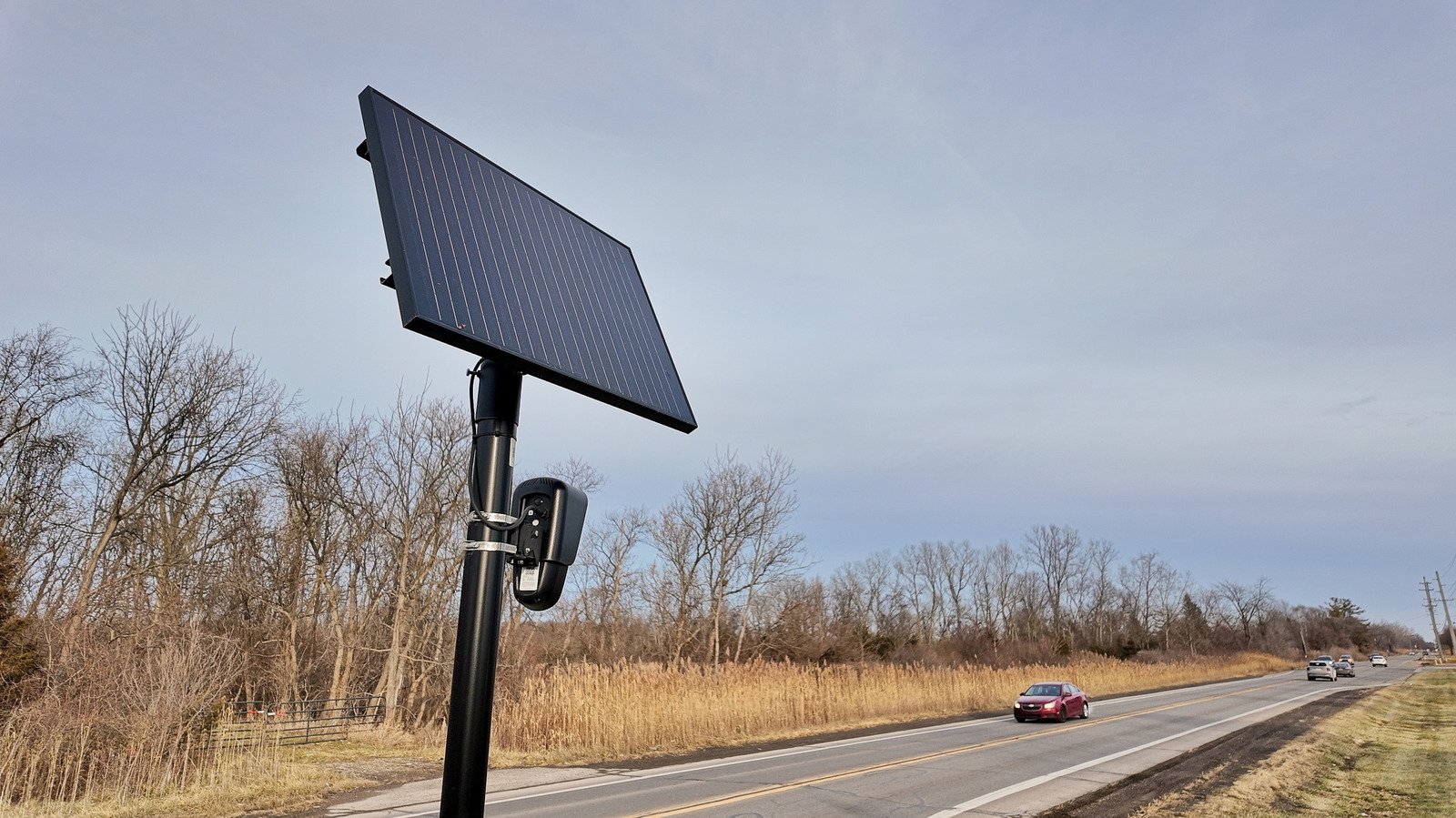
A surprising update to the MapQuest app is shedding light on the vast network of automated recording hardware operating in modern neighborhoods. Recently, the legacy mapping tool enjoyed an unexpected resurgence in user engagement after taking a firm stance on geographic naming conventions. In addition to adding Android Auto support and transit navigation, developers have now introduced a specialized surveillance overlay. Specifically, this new toggle exposes the exact geographical coordinates of countless outdoor monitoring devices and license plate readers.
Instead of hiding public safety infrastructure behind closed corporate doors, the platform openly displays equipment from major manufacturers. For instance, users can spot hardware distributed by Rekor, PlateSmart, Neology, and Ubicquia alongside traditional traffic alerts. Meanwhile, the visual layer integrates seamlessly into the existing user interface. Consequently, everyday commuters can easily examine the true density of electronic monitoring along their regular driving routes.
MapQuest app Brings Transparency to Urban Monitoring
Accompanying the software release was a witty promotional clip featuring Rockwell’s iconic hit ‘Somebody’s Watching Me.’ However, the underlying technological implications are far from a joke. For communities striving to audit local safety installations, the MapQuest app provides an invaluable digital reconnaissance resource. Specifically, neighborhood advocates now have a centralized tool to map out the exact footprint of corporate and municipal recording gear.
Furthermore, privacy advocates point out that visual awareness is critical for maintaining healthy civic boundaries in the digital age. While motorists may find it difficult to completely avoid these lenses, understanding their placement fosters vital public discussions. Therefore, security analysts at organizations like the American Civil Liberties Union have long advocated for greater transparency regarding automated street monitoring. Ultimately, the updated MapQuest app empowers local residents by turning everyday smartphones into auditing tools.
The Broader Impact on Digital Mapping Platforms
Competitors in the navigation space are closely watching how consumers respond to this bold transparency feature. Historically, mapping services have avoided highlighting police and private monitoring hardware to prevent friction with municipal agencies and hardware vendors. Nevertheless, consumer appetite for privacy-centric software is forcing a major strategic pivot across the tech sector. On the other hand, hardware manufacturers maintain that these devices are essential for deterring local property crime and vehicle theft.
Despite these competing arguments, the MapQuest app has firmly established a new standard for informational utility in consumer mapping software. As cities continue deploying smart infrastructure at an accelerated pace, tools that visualize these deployments will only grow in demand. Overall, this unique software upgrade proves that traditional map platforms can successfully champion consumer awareness over corporate complacency.
Mapquest App Market Impact and Industry Significance
The introduction of Mapquest App represents a pivotal shift in modern technological adoption across enterprise and consumer sectors alike. Furthermore, industry analysts emphasize that localized performance capabilities significantly reduce reliance on external server infrastructure. Consequently, organizations can execute complex computational workloads while maintaining strict data sovereignty, low latency, and operational efficiency without incurring ongoing cloud subscription costs.
Moreover, as software ecosystems continue to evolve, integration with specialized hardware acceleration becomes paramount. Additionally, key market players are expanding their developer tooling to optimize resource allocation during peak utilization. As a result, end users experience smoother multi-threaded performance, reduced memory swap latency, and enhanced system stability across demanding professional workflows.
