


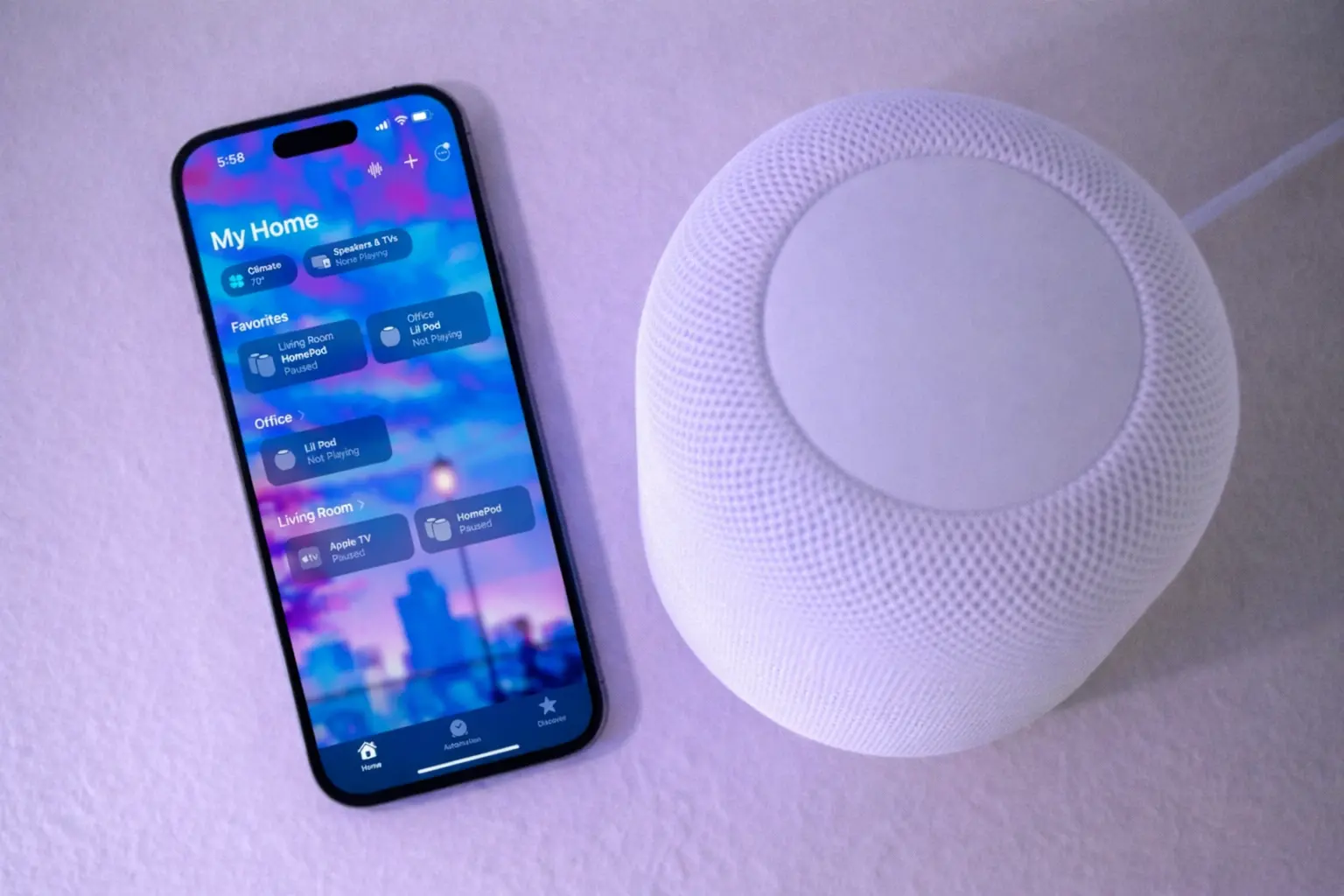
If you’ve used Apple Home since the early HomePod era (2018), you probably haven’t felt pressure to change anything—your lights, plugs, and automations may still “mostly work.” But that comfort window just closed. Apple ended support for the older Apple Home / HomeKit architecture on February 10, 2026, and anyone who stays on the legacy system risks broken automations, unreliable remote access, and accessories that may stop responding. (Apple Support)
Many users have already seen an in-app upgrade prompt from Apple. If you missed it, you can update manually in the Home app: open Home → More (three dots) → Home Settings → Software Update → Update Now. (Apple Support)
Update Requirements: Your OS Version Now Matters
This upgrade comes with a hard requirement: every controller tied to your home (and every invited household member) must run iOS 16.2 / iPadOS 16.2 / macOS 13.1 / tvOS 16.2 / watchOS 9.2 or newer. If someone tries to control the updated home from an older OS, they’ll lose access until they update.
Apple introduced the “new architecture” to improve reliability and to support the Matter smart-home standard. Apple originally made it optional, but it’s now the only supported path forward. (The Verge)
iPad as a Home Hub Is Over—Here’s What Replaces It
The most disruptive change hits people using an iPad as the Home Hub. Apple no longer supports iPad hub mode in the updated architecture. Going forward, Apple requires a HomePod or Apple TV to act as the hub for remote access and automations. (Apple Support)
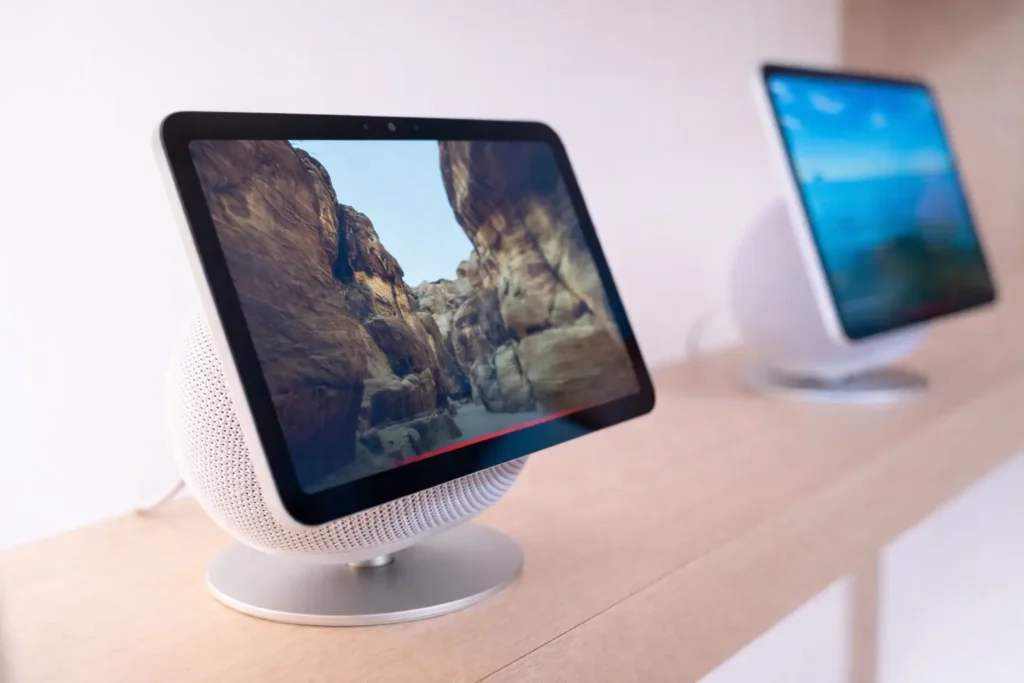
This shift also exposes a product gap: many users liked an iPad hub because it doubled as a “home screen” controller. Rumors and reporting continue to point toward an Apple smart-home display—often nicknamed “HomePad”—with features like a front camera for FaceTime-style calls. (MacRumors)
Eco-friendly SEO angle: Extend device life, cut e-waste
From a sustainability standpoint, updating now can extend the usable life of your existing accessories by keeping them compatible with Apple’s current platform—reducing premature replacements and e-waste. The newer architecture improves stability, reduces retries and reconnects, prevents failed automations, and helps smart homes run efficiently over time. (The Verge)
