


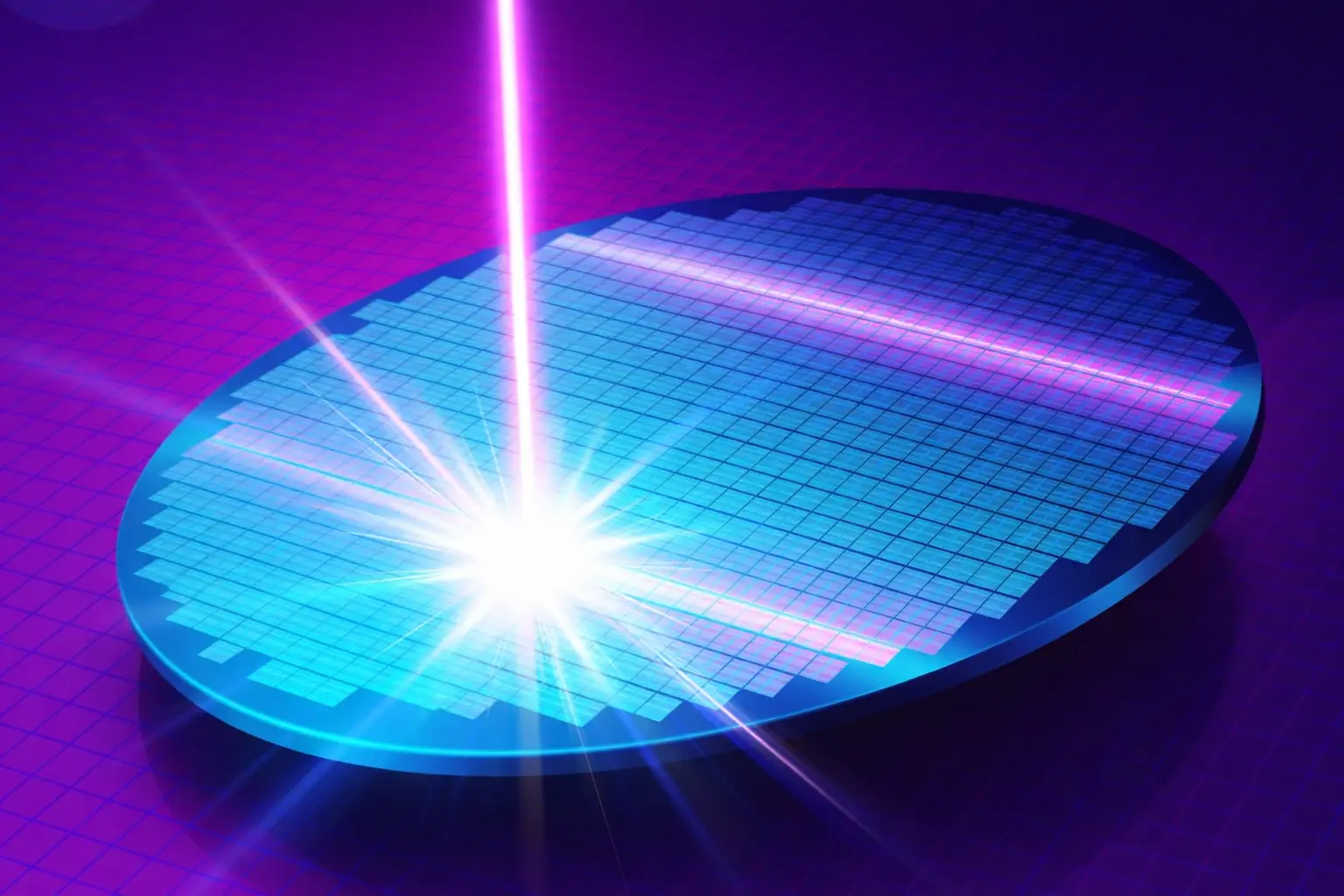
The world’s most advanced AI systems depend on GPUs, and GPUs depend on a single, extraordinary piece of technology: a $400 million extreme ultraviolet (EUV) lithography machine built by ASML. Without this machine, modern chip manufacturing—and by extension today’s AI-driven digital economy—simply would not function.
How Veritasium Explains ASML’s $400 Million EUV Machine
A newly released 55-minute documentary on YouTube delivers one of the clearest and most comprehensive explanations ever produced about this machine, how it came into existence, and why it matters. Created by Veritasium, the channel run by science communicator Derek Muller, the video offers rare access to ASML’s clean rooms and the inner workings of EUV lithography. While Veritasium’s audience of nearly 20 million subscribers may seem modest compared to mainstream entertainment creators like MrBeast, it represents the upper limit of popular interest in deeply technical science content.
Despite its highly specialized topic, the video has already attracted close to ten million views. Its success lies in its respectful approach: it avoids gimmicks, oversimplification, and exaggerated theatrics. Instead, it treats viewers as capable adults and focuses on genuine understanding rather than spectacle.
Why ASML’s $400 Million EUV Machine Powers AI—and Shapes the Future of Sustainable Computing
The film walks viewers through the astonishing engineering behind EUV lithography—from ultra-smooth mirrors refined at the atomic level, to precisely timed tin droplets blasted by lasers to generate light as energetic as a miniature supernova. It also shows the surprisingly mechanical movement of silicon wafers inside the machine, grounding the abstract physics in visible, physical processes.
Beyond the engineering marvel, the video touches on the geopolitical and economic weight of this technology. Control over advanced chip manufacturing has long shaped global power dynamics. Recent reports suggest that teams in China may be attempting to replicate EUV systems by recruiting former ASML engineers—an indication of how critical and contested this technology has become.
The Future Beyond EUV: Innovation, Responsibility, and Sustainable Computing
While ASML’s EUV machine currently stands as the crown jewel of the global tech economy, history suggests this status will not last forever. As Moore’s Law continues to push computing forward, today’s $400 million machine will eventually give way to even more complex—and more resource-intensive—systems. Responsible innovation will require balancing performance gains with sustainability, energy efficiency, and long-term environmental impact.
For now, this machine represents the cutting edge of human engineering. Understanding it helps us better grasp not only how AI and modern computing work, but also the costs, responsibilities, and consequences that come with building the future of technology.
