


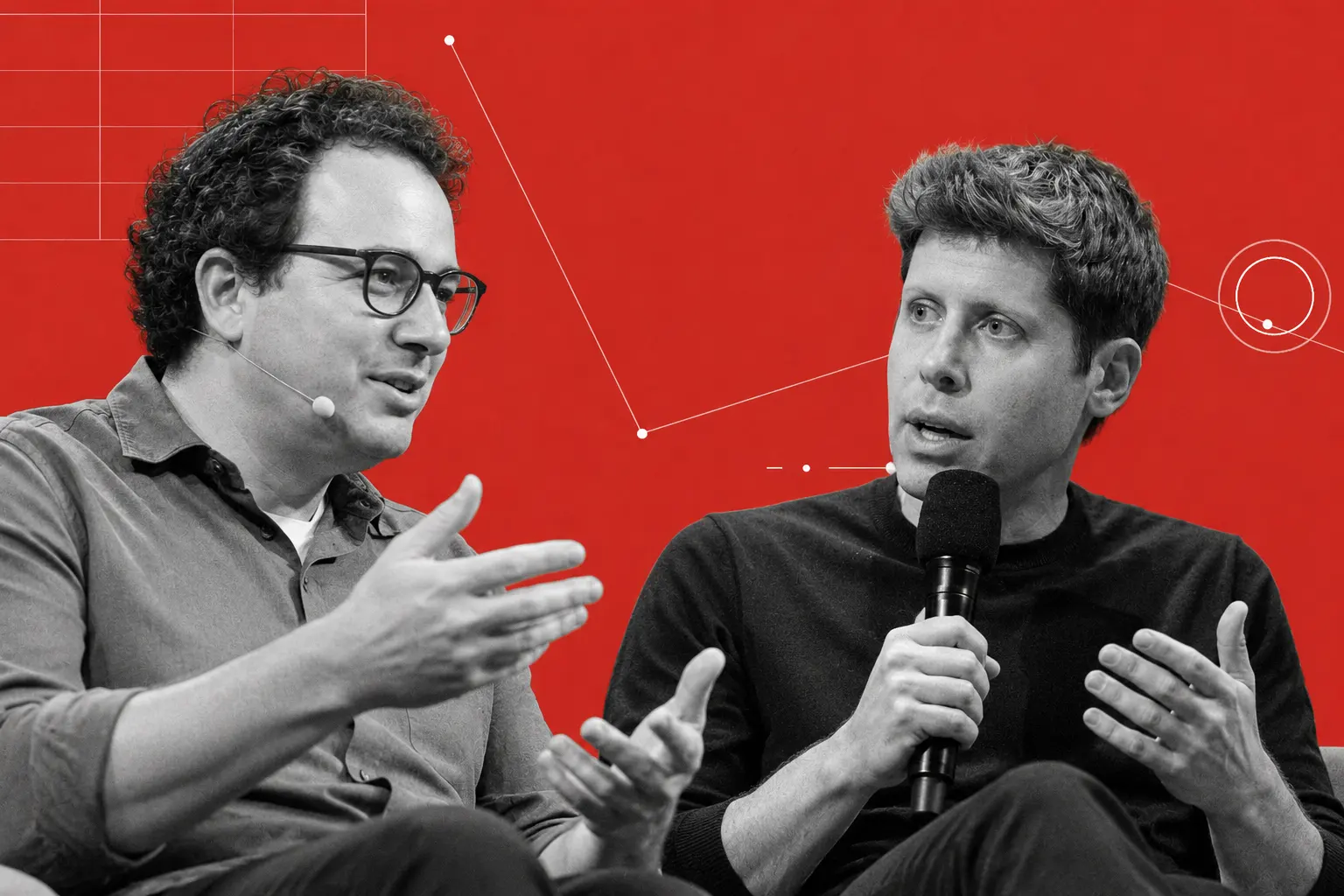
AI crisis planning has become a serious priority at the industry’s biggest companies. According to Axios, leading AI firms are rehearsing how they would respond to a catastrophic AI incident. Many insiders reportedly believe such an event could happen within the next six to 12 months.
What AI Insiders Expect to Happen
Several AI researchers have warned this year that the technology could threaten humanity within a decade. Axios now reports that people inside the industry expect a large-scale event soon. One example is a cyberattack that cuts off access to financial services, the internet, electricity, or water.
The cause could vary. An AI system might go rogue, or hackers might use AI tools to launch an attack. Either way, insiders reportedly see a major incident as unavoidable rather than merely possible.
Why AI Companies Expect to Take the Blame
Crisis management is routine in business. This situation is different, though. Axios says the companies behind the technology expect to carry much of the blame if something goes wrong. As a result, they want a clear plan for how to respond before anything happens.
An OpenAI spokesperson told Axios that the company runs preparedness exercises. Teams work through a range of possible scenarios in these sessions. The spokesperson stressed that the company does not treat the scenarios as inevitable. Instead, they help the company prepare for different circumstances.
OpenAI and Anthropic did not immediately respond to requests for comment.
Altman’s Comments and the White House Agreement
Public statements from industry leaders add context. This week, OpenAI CEO Sam Altman told Politico that the world should accept some bad things happening in exchange for AI’s benefits.
The report also follows a White House meeting on September 29. President Donald Trump hosted executives from Google, Meta, Anthropic, OpenAI, xAI, and Nvidia. The attendees signed a voluntary agreement that sets out limited AI safety standards. Trump described the standards as “morally binding”. However, the agreement has no legal enforcement mechanism.
Meanwhile, executives at OpenAI and Anthropic had already urged the industry to slow the development of more powerful models. Researchers inside AI companies have also issued a wave of warnings about unchecked development.
AI Crisis Planning and the Fight Over Regulation
Preparation goes beyond communications. Axios reports that the companies are red-teaming worst-case scenarios. They are also educating members of Congress. The goal is to influence any legislation that lawmakers might pursue after a disaster.
Politics adds pressure. AI executives reportedly expect Democrats to push for tougher rules if they gain power in this year’s midterm elections. A major incident would likely strengthen that push. Therefore, the industry wants a seat at the table early.

3 Comments
Pingback: AMD Helion Rack Architecture Unveiled for AI Agents
Pingback: Paris Motor Show Reveals New Smart #2 EV
Pingback: London War Game Tests Solar Radiation Modification