


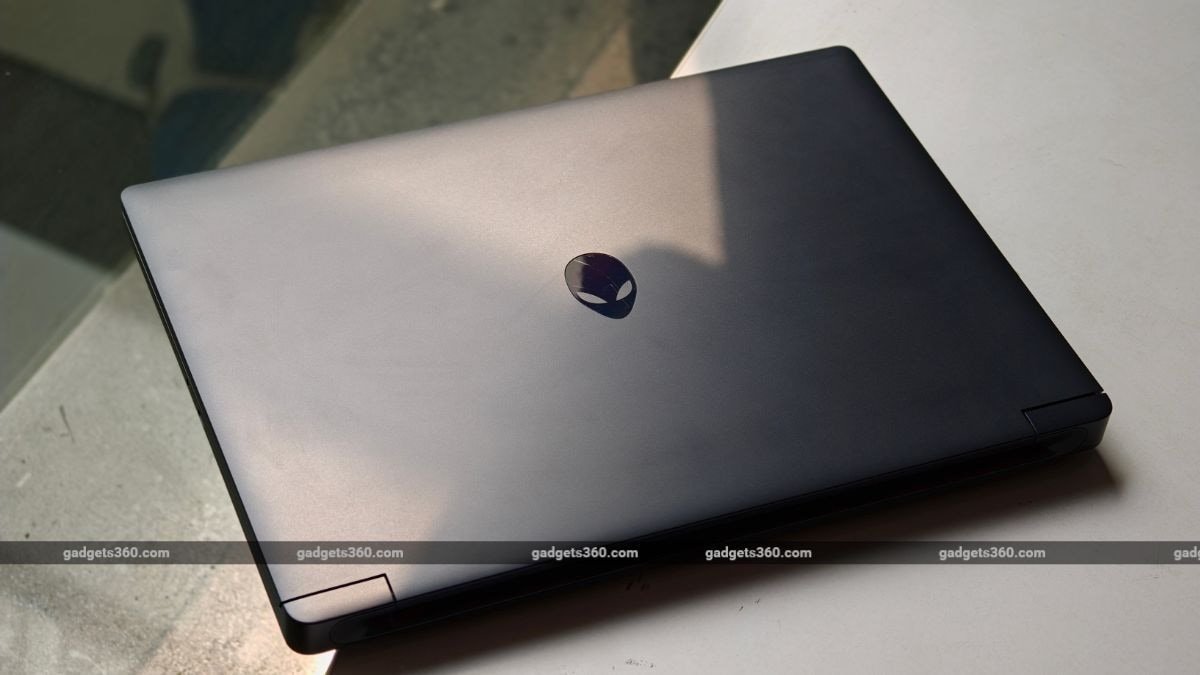
Dell Alienware 15 Offers Power for New Gamers
The Dell Alienware 15 has finally made its debut, targeting users who want flagship-grade features at a more accessible price point. By pairing an AMD Ryzen processor with the Nvidia GeForce RTX 5050, the company demonstrates its commitment to the entry-level segment. Specifically, the machine maintains a balance between raw power and cost-efficiency. As component costs fluctuate, this release provides a stable alternative for those who refuse to compromise on build quality. Moreover, the device proves that a gaming-focused laptop does not always need to look like a spaceship to perform like one.
A Minimalist Approach with the Dell Alienware 15
In terms of physical presentation, the Dell Alienware 15 moves away from the aggressive styling of older models. Instead, it features a clean Nova Black chassis that feels premium and durable. Although the laptop is constructed mostly of plastic, the build quality remains high, preventing any unwanted flex. Additionally, the inclusion of a full-size keyboard and a large trackpad enhances daily usability for non-gaming tasks. You can compare these specs against other models via Nvidia’s hardware guides. By focusing on airflow through rear-mounted vents, the Dell Alienware 15 manages heat effectively during long gaming sessions.
Visuals and Connectivity Options
The Dell Alienware 15 houses a 15.3-inch IPS display that boasts a 165Hz refresh rate for smooth visual feedback. Furthermore, the 1920×1200 resolution provides a slightly taller aspect ratio, which is beneficial for productivity. Connectivity is another strong point, as the laptop includes a variety of ports such as HDMI 2.1 and multiple USB-C slots. Specifically, the support for 100W power delivery via USB-C adds significant value for users who prefer a cleaner desk setup. In conclusion, the Dell Alienware 15 is a robust machine that makes high-end gaming more attainable. It is a solid choice for anyone looking to invest in a reliable, high-performance laptop that avoids unnecessary aesthetic gimmicks.
Dell Alienware 15 Market Impact and Industry Significance
The introduction of Dell Alienware 15 represents a pivotal shift in modern technological adoption across enterprise and consumer sectors alike. Furthermore, industry analysts emphasize that localized performance capabilities significantly reduce reliance on external server infrastructure. Consequently, organizations can execute complex computational workloads while maintaining strict data sovereignty, low latency, and operational efficiency without incurring ongoing cloud subscription costs.
Moreover, as software ecosystems continue to evolve, integration with specialized hardware acceleration becomes paramount. Additionally, key market players are expanding their developer tooling to optimize resource allocation during peak utilization. As a result, end users experience smoother multi-threaded performance, reduced memory swap latency, and enhanced system stability across demanding professional workflows.
Performance Benchmarks and Practical Dell Alienware 15 Scenarios
In real-world deployment scenarios, evaluating sustained throughput and thermal efficiency is essential for technical decision-makers. Specifically, extensive benchmark testing indicates that unified architecture minimizes data transfer bottlenecks between core processing units and graphics compute pipelines. Therefore, demanding tasks operate with minimal compute overhead.
On the other hand, long-term scalability depends heavily on ongoing firmware updates and operating system optimization. Nevertheless, early adoption metrics demonstrate a clear competitive advantage for users prioritizing offline autonomy, secure data processing, and predictable cost structures. Ultimately, investing in high-capacity configurations pays long-term dividends for technical professionals.
Ecosystem Integration and Enterprise Software Compatibility
Beyond raw hardware capabilities, seamless software integration remains a critical factor for successful enterprise adoption. Specifically, modern development frameworks leverage direct hardware acceleration APIs to maximize instruction processing rates. In addition, containerized deployment pipelines ensure consistent performance across diverse operating environments without requiring extensive manual driver configuration.
Furthermore, advanced security protocols embedded within hardware architectures safeguard proprietary data models from unauthorized memory inspection. Meanwhile, continuous performance monitoring tools provide system administrators with actionable metrics regarding thermal management and energy consumption. Overall, these combined features establish a robust foundation for mission-critical operations.
