


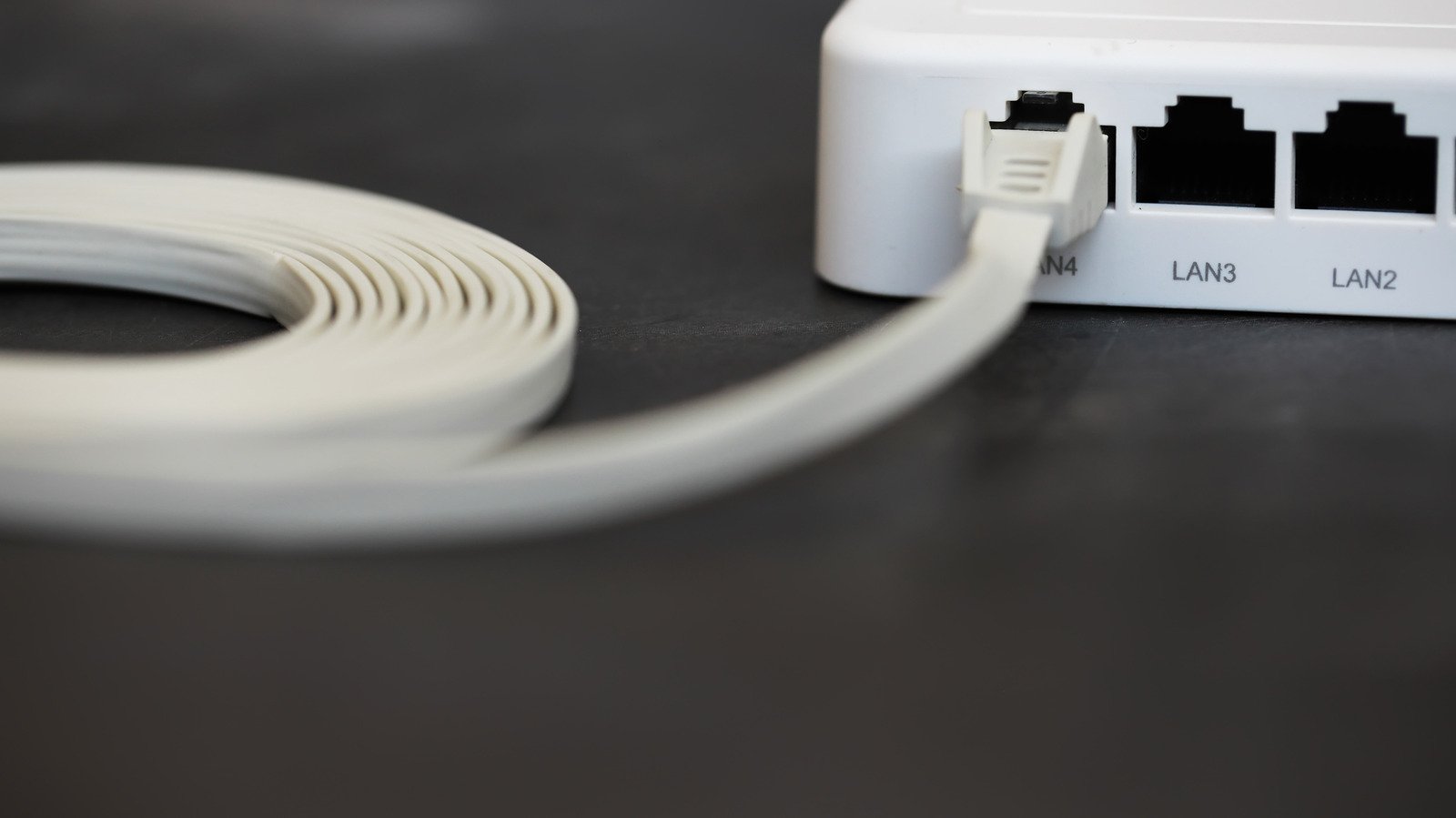
The Hidden Performance Traps of Flat Ethernet Cables
Running wires across a modern living room often turns into an unsightly mess that ruins interior design. To solve this visual clutter, many consumers install flat ethernet cables that tuck easily beneath baseboards and carpets. While these slim wires create an appealing, minimalist look, they hide severe structural compromises that actively damage your internet speed. Before replacing your chunky round wiring, you must understand the engineering trade-offs.
Traditional network wiring relies on tightly twisted pairs of copper lines. This deliberate helical twisting blocks electromagnetic interference from ruining your data stream. When factories flatten these profiles to make cords look sleek, the internal pairs line up side-by-side. This parallel alignment eliminates vital interference protection, causing data packets to collide and slow down your overall bandwidth.
Physical Fragility and Resistance Issues Explained
Engineering compromises go far beyond simple geometric layout inside the plastic sheath. To keep the profile exceptionally thin, brands use reduced wire gauges that increase electrical resistance. When data travels over extended distances through these narrow conductors, signal degradation occurs rapidly. You can read more about data transmission standards on the International Telecommunication Union site.
- Thin wire gauges create high electrical resistance over long distances.
- Unshielded parallel conductors invite heavy electromagnetic interference.
- Constant foot traffic over rugs crushes delicate internal copper wires.
- Sharp corner bends easily snap the fragile internal conductors inside.
Real-world deployment ruins slim cables even faster than electrical interference. Homeowners frequently run these wires beneath carpets or trap them under heavy doors. Because flat lines lack the structural cushioning of a circular jacket, continuous compression quickly shears the internal metal strands. Once those fragile lines break, connection drops become frequent and frustrating.
The Bottom Line for Your Home Network Setup
Although slim wiring offers undeniable visual benefits in tight spaces, it fails to match the long-term reliability of traditional round alternatives. If you only need a temporary connection over a very short distance, a discrete profile gets the job done without issue. However, serious gamers and remote professionals should always prioritize robust round wiring to guarantee maximum stability and speed.
