


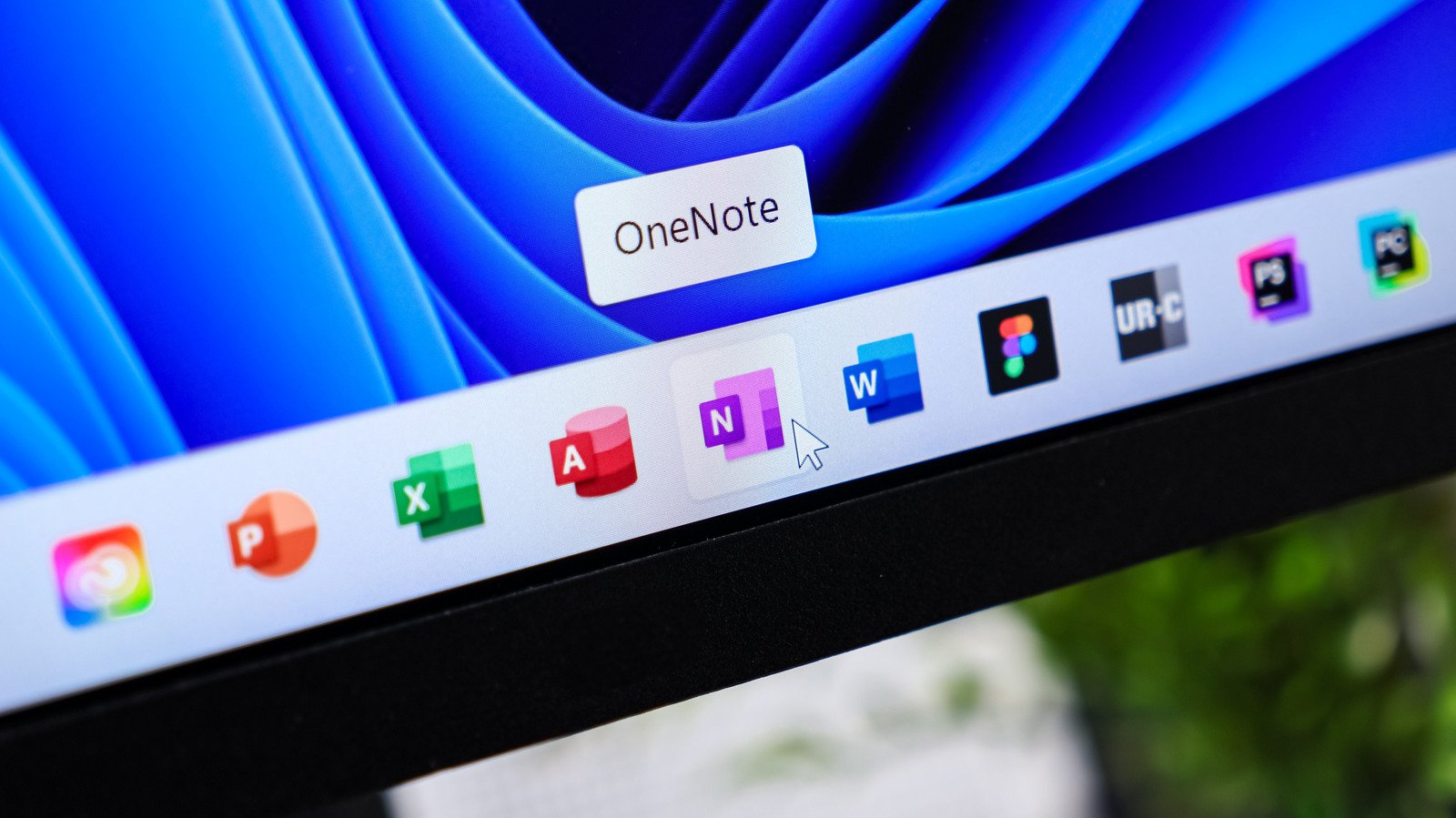
Escaping Endless Software Subscriptions With Free Microsoft Office Alternatives
Gone are the days when purchasing Microsoft Office was a straightforward, one-time transaction. Modern software monetization heavily relies on recurring billing cycles and forced bundle pricing. Because companies now bundle unwanted artificial intelligence features into mandatory software tiers, everyday consumers are actively searching for reliable, cost-effective alternatives that respect their personal budgets.
While buying a traditional standalone license remains technically possible, the steep $180 price tag for single-computer access feels steep for casual home users. Instead of submitting to high yearly overhead costs, smart professionals are turning toward accessible online suites and powerful open-source desktop applications that deliver identical core productivity features entirely free of charge.
Web-Based Editing Through Office Online Solves Simple Needs
For users who rely on standard file formats, Office Online provides a practical web browser solution. Logging into a standard account instantly unlocks free versions of Word, Excel, PowerPoint, and OneNote. While these applications omit advanced macro editing and complex watermarking features, they easily handle basic typing tasks, routine spreadsheet calculations, and quick slide adjustments.
- Direct browser access eliminates heavy software installations.
- Collaborative tools allow seamless real-time document sharing.
- Familiar interface design ensures zero learning curve.
Despite these convenient perks, web tools present distinct drawbacks. Users are heavily nudged toward using OneDrive storage, where free capacity caps out at a modest 5GB. Additionally, heavy reliance on cloud connectivity means offline editing is severely restricted.
OnlyOffice Delivers Seamless Compatibility Without the Cost
When browser-based tools fall short, desktop-centric solutions step in to fill the gap. OnlyOffice provides a polished, tab-based environment where documents, spreadsheets, and presentation files open inside a single unified window. Because the software reads and writes standard document formats natively, switching away from traditional corporate software becomes completely seamless.
Consumers no longer need to accept expensive software models as the only path forward. By leveraging lightweight web applications or full-featured local desktop suites, managing professional documents is entirely free from recurring financial burdens.
For full official background and direct documentation, read the source coverage on engadget Reporting.
Microsoft Office Market Impact and Industry Significance
The introduction of Microsoft Office represents a pivotal shift in modern technological adoption across enterprise and consumer sectors alike. Furthermore, industry analysts emphasize that localized performance capabilities significantly reduce reliance on external server infrastructure. Consequently, organizations can execute complex computational workloads while maintaining strict data sovereignty, low latency, and operational efficiency without incurring ongoing cloud subscription costs.
Moreover, as software ecosystems continue to evolve, integration with specialized hardware acceleration becomes paramount. Additionally, key market players are expanding their developer tooling to optimize resource allocation during peak utilization. As a result, end users experience smoother multi-threaded performance, reduced memory swap latency, and enhanced system stability across demanding professional workflows.
Performance Benchmarks and Practical Microsoft Office Scenarios
In real-world deployment scenarios, evaluating sustained throughput and thermal efficiency is essential for technical decision-makers. Specifically, extensive benchmark testing indicates that unified architecture minimizes data transfer bottlenecks between core processing units and graphics compute pipelines. Therefore, demanding tasks operate with minimal compute overhead.
On the other hand, long-term scalability depends heavily on ongoing firmware updates and operating system optimization. Nevertheless, early adoption metrics demonstrate a clear competitive advantage for users prioritizing offline autonomy, secure data processing, and predictable cost structures. Ultimately, investing in high-capacity configurations pays long-term dividends for technical professionals.

1 Comment
Pingback: TikTok Blocks Musk Documentary Amid Advertising Clash