

Close Menu

    Subscribe to Updates

    Get the latest creative news from FooBar about art, design and business.

    What's Hot

    New Tech Extends Vegetable Life to Thirty Days

    October 19, 2026

    Starlink Internet Plans Reveal Hidden Pricing Conflicts

    October 19, 2026

    SynthID Detector Opens to Public as Deepfakes Surge

    October 19, 2026
    Facebook X (Twitter) Instagram
    techdrogo.comtechdrogo.com
    • Home
    • About Us
    • Legal
      • Disclaimer
      • Privacy Policy
      • Terms and Conditions
    • Contact Us
    Facebook X (Twitter) Instagram
    techdrogo.comtechdrogo.com
    Home ยป New Global Policy Tackles Massive Risks of Leap Seconds
    Security

    New Global Policy Tackles Massive Risks of Leap Seconds

    Aditya P.By Aditya P.October 19, 2026No Comments3 Mins Read
    Facebook Twitter Pinterest Telegram LinkedIn Tumblr WhatsApp Email
    Technological impact of leap seconds
    Share
    Facebook Twitter LinkedIn Pinterest Telegram Email

    New Global Policy Tackles Massive Risks of Leap Seconds

    The General Conference on Weights and Measures has formally decided to discontinue the practice of adding leap seconds to our clocks. This regulatory change follows years of debate among experts who argue that our reliance on automated, high-precision technology makes these traditional time adjustments a significant liability. Without this change, global systems faced an escalating risk of catastrophic failure.

    In the past, the GCPM introduced these adjustments to ensure that our atomic-based UTC time remained perfectly aligned with the Earth’s variable rotation. While this was a noble scientific endeavor, the modern reality of billions of interconnected devices renders the insertion of leap seconds an invitation for software bugs. When a system is hit with an unexpected change in time, the results can range from minor data discrepancies to total system shutdowns.

    Leap Seconds: Infrastructure Resilience and Modern Computing

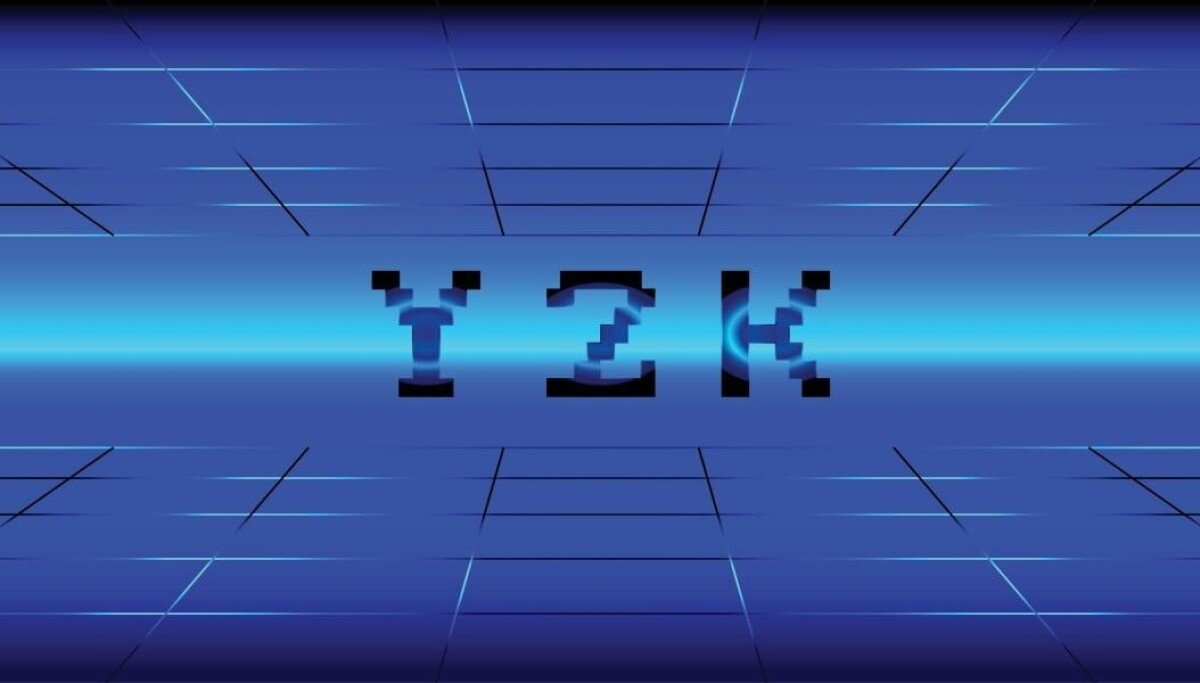
    The decision to end the use of leap seconds is largely rooted in the potential for a negative adjustment. If the Earth were to speed up, a negative second would be required, a scenario for which almost no current software is prepared. Analysts have compared the potential fallout to the Y2K bug, which cost the global economy hundreds of billions of dollars to resolve. Industry leaders are now breathing a sigh of relief as this specific threat is removed from the horizon.

    Beyond the threat of a negative adjustment, the current method of handling leap seconds is inherently flawed. Different tech companies have implemented their own proprietary mitigation techniques, leading to a landscape of fragmented time data. This inconsistency disrupts the standardization of time across global networks, creating headaches for developers working on everything from smart grids to high-frequency financial trading platforms.

    What This Means for Global Tech Stability

    The removal of leap seconds represents a major shift toward prioritizing digital utility over astronomical precision. For years, the tech community has lobbied for a more predictable time standard, and the GCPM has finally listened. By abandoning these erratic adjustments, the organization ensures that software developers can finally build systems without having to account for unpredictable time-steps that occur every few years.

    Recommended ReadingCritical Linux KVM vulnerability Exposes Host Servers →

    • Elimination of systemic risks in critical infrastructure.
    • Significant cost savings on future software remediation.
    • Enhanced reliability for distributed sensor networks.
    • Improved consistency in global frequency dissemination.

    What this means going forward is a more stable foundation for the next generation of internet-connected hardware. While the scientific community will continue to monitor the rotation of the Earth, the burden of correcting for its variability will no longer fall on the shoulders of software engineers. In the long run, this transition will allow for more seamless integration between hardware and software, ultimately strengthening the resilience of our global digital infrastructure against the kind of widespread, unpredictable outages that previously haunted the industry.

    Recommended ReadingHidden Ink Costs Revealed for Popular Ink Tank Printers →

    AI Infrastructure Reset Data Integrity Leap Seconds Face Tech Policy
    Share. Facebook Twitter Pinterest LinkedIn Tumblr Email
    Aditya P.

    Cybersecurity specialist and network infrastructure reporter at TechDrogo. Aditya focuses on threat landscape analysis, ransomware mitigation, cloud architecture defense, and open web standards.

    Related Posts

    Rising AI Scam Threats Target Unsuspecting Shoppers

    October 19, 2026

    Anthropic Public Benefit Fund Aims to Curb AI Skepticism

    October 19, 2026

    Critical Linux KVM vulnerability Exposes Host Servers

    October 19, 2026

    How Drone Attacks on Data centres Threaten Global AI Growth

    October 19, 2026

    The Real Reason Home Internet Upload Speeds Are So Slow

    October 18, 2026

    Trade Groups Deploy Children Books to Promote Data Centers

    October 18, 2026
    Leave A Reply Cancel Reply

    Top Reviews
    Editors Picks

    New Tech Extends Vegetable Life to Thirty Days

    October 19, 2026

    Starlink Internet Plans Reveal Hidden Pricing Conflicts

    October 19, 2026

    SynthID Detector Opens to Public as Deepfakes Surge

    October 19, 2026

    Blinking lights on Netgear router warn of connection failures

    October 19, 2026
    Advertisement
    Demo
    About Us
    About Us

    Your source for the lifestyle news. This demo is crafted specifically to exhibit the use of the theme as a lifestyle site. Visit our main page for more demos.

    We're accepting new partnerships right now.

    Email Us: info@example.com
    Contact: +1-320-0123-451

    Our Picks

    New Tech Extends Vegetable Life to Thirty Days

    October 19, 2026

    Starlink Internet Plans Reveal Hidden Pricing Conflicts

    October 19, 2026

    SynthID Detector Opens to Public as Deepfakes Surge

    October 19, 2026
    Top Reviews
    © 2026 All rights reserved. TechDrogo.
    • Home
    • Privacy Policy
    • Contact Us
    • About Us
    • Disclaimer
    • Terms and Conditions

    Type above and press Enter to search. Press Esc to cancel.