


Supermarket Hacks Expose Industrial Security Risks
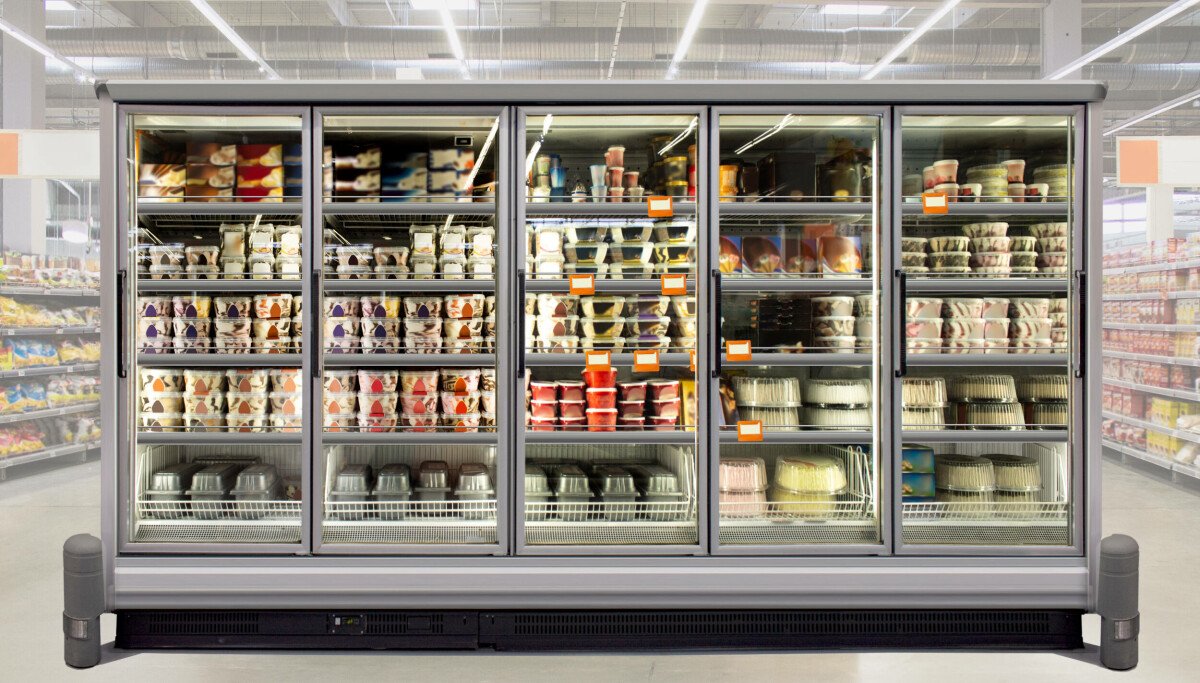
A wave of coordinated cyberattacks has successfully compromised hundreds of refrigeration controllers in French supermarkets, causing significant financial losses and food waste. Criminals remotely accessed the devices and forced them to increase temperatures, creating hazardous conditions and destroying stored goods. This disaster was largely preventable, as security researchers had identified critical vulnerabilities in these refrigeration controllers months before the incident occurred. Specifically, the research detailed how attackers could manipulate the internal climate settings, essentially sabotaging the cooling units.
Security Warnings Ignored by Operators
Despite clear warnings from organizations like CISA and private security firms, many businesses failed to secure their infrastructure. For instance, researchers from Claroty published findings in August detailing how the refrigeration controllers could be exploited to bypass authentication. Moreover, vendors released firmware updates intended to mitigate these risks, yet many operators neglected to install them. As a result, hundreds of systems remained vulnerable, allowing hackers to gain unauthorized access via the internet. This pattern of negligence demonstrates the urgent need for better lifecycle management of industrial hardware.
Refrigeration Controllers: Analysis and Key Insights
Addressing the Vulnerability Landscape
In addition to the immediate impact, the incident serves as a wake-up call for the retail industry regarding operational technology security. Many of the affected refrigeration controllers were running legacy firmware that no longer receives security patches. Furthermore, the sheer number of publicly exposed devices identified by insurance firm Coalition suggests that visibility into these assets is severely lacking. Ultimately, the industry must transition toward a model where security updates are treated as critical business requirements rather than optional maintenance. By implementing stricter network segmentation and regular vulnerability scanning, companies can better protect their assets against future threats. The reality is that connected hardware, if left unmanaged, represents a significant liability in an increasingly digitized global supply chain.
For full official background and direct documentation, read the source coverage on theregister Reporting.
Refrigeration Controllers Market Impact and Industry Significance
The introduction of Refrigeration Controllers represents a pivotal shift in modern technological adoption across enterprise and consumer sectors alike. Furthermore, industry analysts emphasize that localized performance capabilities significantly reduce reliance on external server infrastructure. Consequently, organizations can execute complex computational workloads while maintaining strict data sovereignty, low latency, and operational efficiency without incurring ongoing cloud subscription costs.
Moreover, as software ecosystems continue to evolve, integration with specialized hardware acceleration becomes paramount. Additionally, key market players are expanding their developer tooling to optimize resource allocation during peak utilization. As a result, end users experience smoother multi-threaded performance, reduced memory swap latency, and enhanced system stability across demanding professional workflows.
Performance Benchmarks and Practical Refrigeration Controllers Scenarios
In real-world deployment scenarios, evaluating sustained throughput and thermal efficiency is essential for technical decision-makers. Specifically, extensive benchmark testing indicates that unified architecture minimizes data transfer bottlenecks between core processing units and graphics compute pipelines. Therefore, demanding tasks operate with minimal compute overhead.
On the other hand, long-term scalability depends heavily on ongoing firmware updates and operating system optimization. Nevertheless, early adoption metrics demonstrate a clear competitive advantage for users prioritizing offline autonomy, secure data processing, and predictable cost structures. Ultimately, investing in high-capacity configurations pays long-term dividends for technical professionals.
Ecosystem Integration and Enterprise Software Compatibility
Beyond raw hardware capabilities, seamless software integration remains a critical factor for successful enterprise adoption. Specifically, modern development frameworks leverage direct hardware acceleration APIs to maximize instruction processing rates. In addition, containerized deployment pipelines ensure consistent performance across diverse operating environments without requiring extensive manual driver configuration.
Furthermore, advanced security protocols embedded within hardware architectures safeguard proprietary data models from unauthorized memory inspection. Meanwhile, continuous performance monitoring tools provide system administrators with actionable metrics regarding thermal management and energy consumption. Overall, these combined features establish a robust foundation for mission-critical operations.
