


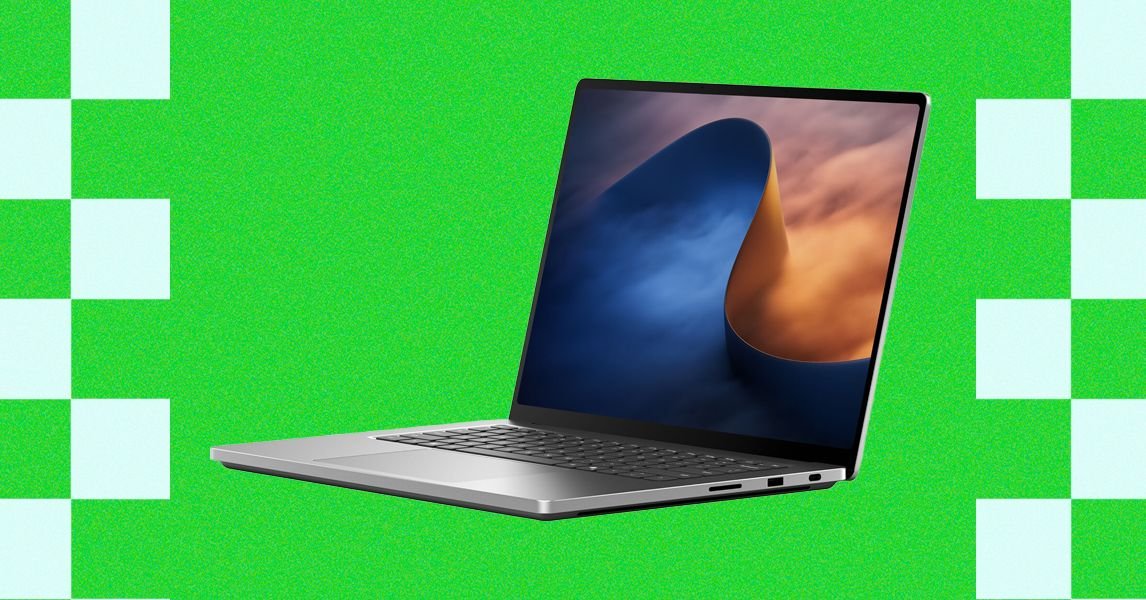
Surface Laptop Ultra Sets New Standards for AI Hardware
A new era of Windows computing has officially arrived, and the Surface Laptop Ultra leads the charge as the ultimate flagship vessel. Anticipation surrounding this release has been exceptionally high due to promises of next-generation processing power. Specifically, the hardware introduces the innovative Nvidia RTX Spark N1X superchip to the mobile market. Consequently, creators and gamers can execute complex on-device AI tasks without relying entirely on cloud servers. Furthermore, Microsoft designed this system to rival elite workstations while maintaining a relatively portable chassis. Nevertheless, achieving desktop-grade performance in a mobile form factor introduces unique engineering challenges, particularly regarding thermal management and battery endurance.
Previous attempts at high-performance machines, such as the 2021 Surface Laptop Studio, relied on unconventional form factors that appealed to niche audiences. However, the Surface Laptop Ultra abandons experimentation in favor of a refined, traditional clamshell design. At 4.4 pounds, it provides substantial heft without sacrificing mobility. Additionally, inventive engineering allows the chassis to conceal its side vents while maintaining efficient airflow. Meanwhile, subtle aesthetic touches like rounded screen corners give the device a distinct modern aesthetic. Specifically, users who demand extra performance for gaming and professional workflows will find this balanced approach immensely appealing.
Audio and Ergonomics on the Surface Laptop Ultra
Performance metrics tell only part of the story; daily interaction with the Surface Laptop Ultra reveals careful attention to user comfort. Specifically, the integrated four-speaker audio system hidden beneath the chassis delivers surprisingly rich and immersive sound output. Furthermore, the responsive keyboard layout pairs with a spacious haptic touchpad to ensure effortless daily navigation. However, certain design choices might frustrate specific users. For instance, placing the power button directly between standard keys rather than in a dedicated corner feels counterintuitive. Additionally, opening the lid generally requires two hands since the chassis lacks a prominent finger indentation.
Ultimately, modern computing demands hardware that adapts to rapidly evolving software ecosystems. According to recent insights from technology publications, local machine learning capabilities are becoming standard requirements for professional software. Therefore, hardware platforms like the Surface Laptop Ultra represent a necessary stepping stone toward truly intelligent operating systems. Professionals requiring seamless multitasking, robust audio, and reliable processing will find that the Surface Laptop Ultra meets their rigorous daily demands while establishing a solid foundation for future technological advancements.
Surface Laptop Ultra Market Impact and Industry Significance
The introduction of Surface Laptop Ultra represents a pivotal shift in modern technological adoption across enterprise and consumer sectors alike. Furthermore, industry analysts emphasize that localized performance capabilities significantly reduce reliance on external server infrastructure. Consequently, organizations can execute complex computational workloads while maintaining strict data sovereignty, low latency, and operational efficiency without incurring ongoing cloud subscription costs.
Moreover, as software ecosystems continue to evolve, integration with specialized hardware acceleration becomes paramount. Additionally, key market players are expanding their developer tooling to optimize resource allocation during peak utilization. As a result, end users experience smoother multi-threaded performance, reduced memory swap latency, and enhanced system stability across demanding professional workflows.
Performance Benchmarks and Practical Surface Laptop Ultra Scenarios
In real-world deployment scenarios, evaluating sustained throughput and thermal efficiency is essential for technical decision-makers. Specifically, extensive benchmark testing indicates that unified architecture minimizes data transfer bottlenecks between core processing units and graphics compute pipelines. Therefore, demanding tasks operate with minimal compute overhead.
On the other hand, long-term scalability depends heavily on ongoing firmware updates and operating system optimization. Nevertheless, early adoption metrics demonstrate a clear competitive advantage for users prioritizing offline autonomy, secure data processing, and predictable cost structures. Ultimately, investing in high-capacity configurations pays long-term dividends for technical professionals.
