


Modern Families Embrace the Digital Wall Calendar
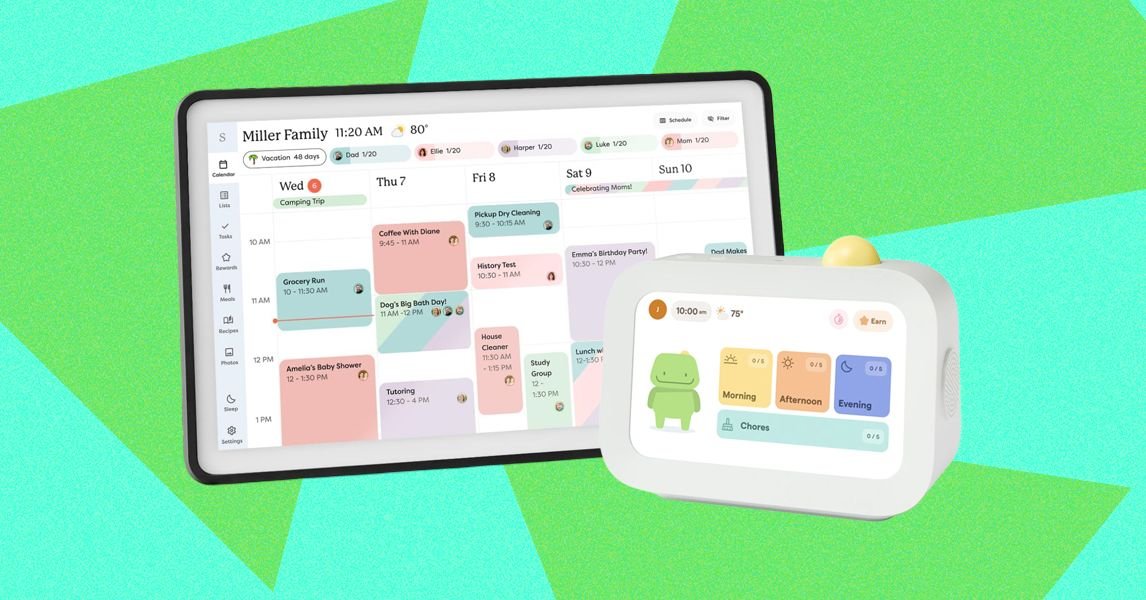
Many households are discovering that the digital wall calendar is the missing piece in their smart home setup. While early versions of this tech were clunky and slow, the 2026 models are sleek, responsive, and incredibly useful. By placing a digital wall calendar in a high-traffic area, you ensure that every family member remains on the same page regarding appointments and obligations. Unlike standard smart speakers that require voice commands, these screens provide immediate, visual access to your schedule. This passive information delivery is exactly why they are gaining such rapid popularity in modern homes.
Why Choose a Digital Wall Calendar?
Specifically, these devices connect directly to your existing accounts, such as Apple or Google Calendar, ensuring that every update is reflected instantly. If you change a meeting time on your phone, the digital wall calendar updates without any manual intervention. Furthermore, the added functionality of these screens—such as displaying digital photos or chore lists—adds significant value beyond simple time management. In my own testing, I found that replacing standard smart displays with these dedicated units reduced home distractions significantly. As a result, my family spends less time interacting with AI assistants and more time focusing on our actual plans.
Performance and Reliability
Reliability remains the most important factor for any hardware intended for daily use. Fortunately, the latest options like the Skylight or Greenlight Family Hub have mastered the synchronization process. Additionally, these devices offer mounting flexibility, allowing you to place them on walls or countertops depending on your specific needs. If you are struggling to keep track of a busy household, the digital wall calendar provides a necessary structure that paper planners fail to offer. Moreover, the lack of “annoying” voice feedback makes them a superior choice for those who value quiet, visual-first home interfaces.
The Future of Household Coordination
Ultimately, these devices represent a shift toward specialized hardware that does one thing exceptionally well. Rather than asking a smart speaker for your schedule, a quick glance at the wall provides all the information you need. For more insights into how smart gadgets are evolving, check out the latest updates at The Verge. Whether you have teens or young children, integrating this technology can drastically improve how your household operates on a daily basis.
Digital Wall Calendar Market Impact and Industry Significance
The introduction of Digital Wall Calendar represents a pivotal shift in modern technological adoption across enterprise and consumer sectors alike. Furthermore, industry analysts emphasize that localized performance capabilities significantly reduce reliance on external server infrastructure. Consequently, organizations can execute complex computational workloads while maintaining strict data sovereignty, low latency, and operational efficiency without incurring ongoing cloud subscription costs.
Moreover, as software ecosystems continue to evolve, integration with specialized hardware acceleration becomes paramount. Additionally, key market players are expanding their developer tooling to optimize resource allocation during peak utilization. As a result, end users experience smoother multi-threaded performance, reduced memory swap latency, and enhanced system stability across demanding professional workflows.
Performance Benchmarks and Practical Digital Wall Calendar Scenarios
In real-world deployment scenarios, evaluating sustained throughput and thermal efficiency is essential for technical decision-makers. Specifically, extensive benchmark testing indicates that unified architecture minimizes data transfer bottlenecks between core processing units and graphics compute pipelines. Therefore, demanding tasks operate with minimal compute overhead.
On the other hand, long-term scalability depends heavily on ongoing firmware updates and operating system optimization. Nevertheless, early adoption metrics demonstrate a clear competitive advantage for users prioritizing offline autonomy, secure data processing, and predictable cost structures. Ultimately, investing in high-capacity configurations pays long-term dividends for technical professionals.

8 Comments
Pingback: Replit Reveals How the Self Driving Company Changes Work
Pingback: Autonomous OpenAI Research Agent Pilfers Crypto Tokens
Pingback: Steam Fixes Broken 100 Percent Record From DLC Drops
Pingback: ChatGPT Chrome Extension Triggers Major Workflow Shift
Pingback: Surface Laptop Ultra Redefines Modern AI PC Performance
Pingback: Microsoft Reveals Xbox Nano Controller for Pocket Gaming
Pingback: Samsung Reveals Galaxy A38 5G Details Amid Hardware Leaks
Pingback: PostgreSQL 19 Pauses Updates Due to Overwhelming AI Bugs