


Cal AI Growth Secrets Revealed by Founder
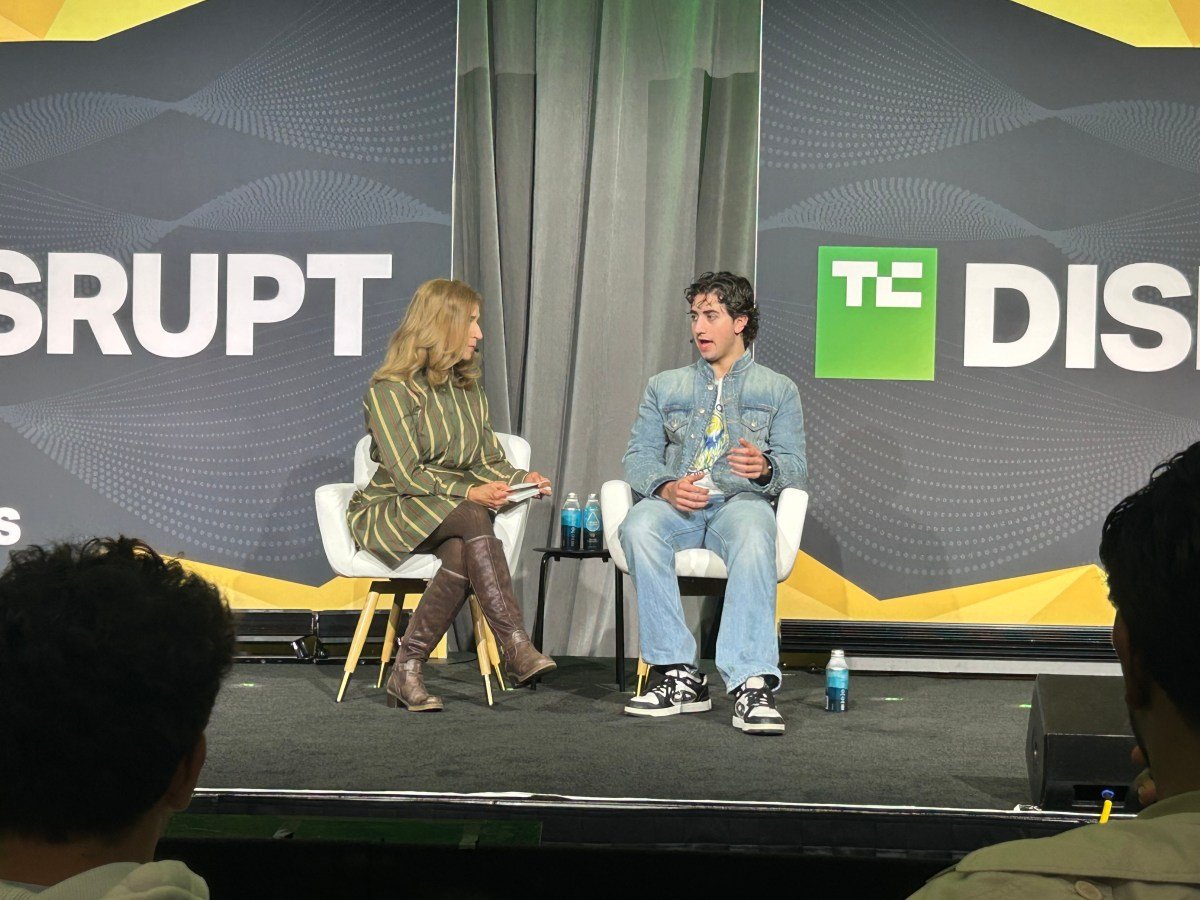
The meteoric rise of Cal AI during its two-year lifespan serves as a masterclass in modern digital marketing. Founder Zach Yadegari, speaking at TechCrunch Disrupt, detailed how a small army of influencers transformed his calorie-tracking application into a multi-million dollar asset. By leveraging targeted social media reach, the company secured over $30 million in revenue. Subsequently, this performance-based growth led to an acquisition by MyFitnessPal in March. The strategy was simple, aggressive, and highly effective for a young founder.
Initially, the team did not know if the influencer model would work. However, after one post triggered a massive influx of users, they realized the potential of Cal AI as a viral product. Therefore, they began recruiting creators as quickly as possible. The founder implemented a system of paying influencers based on the tangible reach they could provide. By targeting specific niches and tight-knit communities, they ensured that every dollar spent translated into active users. This analytical approach turned social media personalities into a reliable acquisition channel.
Building the Future Beyond Cal AI
While discussing the mechanics of Cal AI, Yadegari emphasized the importance of quantified reach. He treated influencers like a performance marketing budget, demanding specific user counts before fulfilling payments. Moreover, he noted that many influencers were eager for the cash flow, making them willing partners in the aggressive scaling of the application. This clear formula allowed the company to grow with predictable, linear efficiency until the eventual exit.
Furthermore, the young entrepreneur is already moving toward his next endeavor, Persona. Having raised $10 million, the new project aims to make computing feel like a natural part of human life. Specifically, the team is developing an AI assistant capable of operating across email, apps, and phone calls. Additionally, they are working on a hardware ecosystem to house this technology. It is clear that the lessons learned from Cal AI are being applied to this new, more ambitious project. Ultimately, Yadegari views traditional education as secondary to the hands-on experience gained while building high-growth technology companies in the real world.
Cal AI Market Impact and Industry Significance
The introduction of Cal AI represents a pivotal shift in modern technological adoption across enterprise and consumer sectors alike. Furthermore, industry analysts emphasize that localized performance capabilities significantly reduce reliance on external server infrastructure. Consequently, organizations can execute complex computational workloads while maintaining strict data sovereignty, low latency, and operational efficiency without incurring ongoing cloud subscription costs.
Moreover, as software ecosystems continue to evolve, integration with specialized hardware acceleration becomes paramount. Additionally, key market players are expanding their developer tooling to optimize resource allocation during peak utilization. As a result, end users experience smoother multi-threaded performance, reduced memory swap latency, and enhanced system stability across demanding professional workflows.
Performance Benchmarks and Practical Cal AI Scenarios
In real-world deployment scenarios, evaluating sustained throughput and thermal efficiency is essential for technical decision-makers. Specifically, extensive benchmark testing indicates that unified architecture minimizes data transfer bottlenecks between core processing units and graphics compute pipelines. Therefore, demanding tasks operate with minimal compute overhead.
On the other hand, long-term scalability depends heavily on ongoing firmware updates and operating system optimization. Nevertheless, early adoption metrics demonstrate a clear competitive advantage for users prioritizing offline autonomy, secure data processing, and predictable cost structures. Ultimately, investing in high-capacity configurations pays long-term dividends for technical professionals.
