


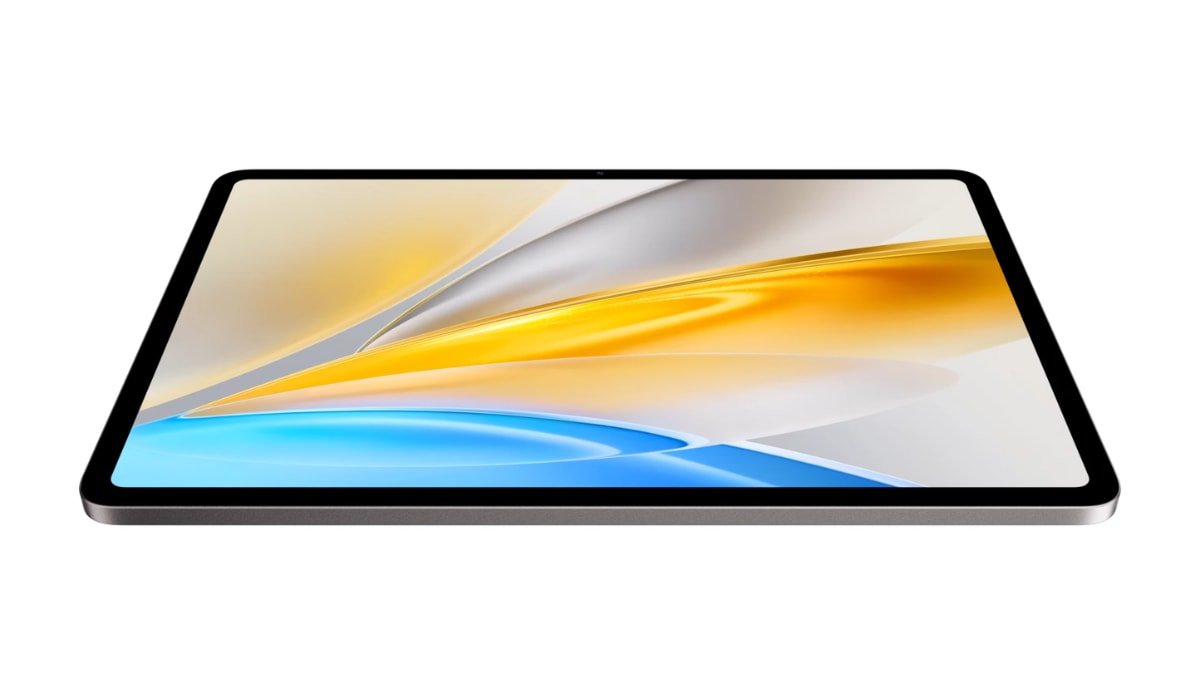
Vivo Pad FE Power Capabilities Detailed
Global regulatory databases have finally shed light on the Vivo Pad FE, a new tablet currently in the pre-launch pipeline. Recent filings with the TÜV certification authority have confirmed that the Vivo Pad FE will support 15W wired charging. This specific power profile, rated at 5V DC and 3A, indicates that the hardware is geared toward power efficiency. Furthermore, the device has been officially registered with the UAE’s TDRA under the model number VP2601, marking a significant step toward its eventual retail availability.
Additionally, the documentation clarifies that this iteration is a Wi-Fi-only model. This distinction is vital for potential buyers who might be looking for a dedicated home device rather than a mobile-connected tablet. Moreover, the appearance of the Vivo Pad FE on the Eurasian Economic Commission website earlier this year already hinted at a broad international release. Therefore, it is highly probable that the manufacturer plans to launch this product in several major regions simultaneously.
What to Expect from the New Tablet
Industry experts believe the Vivo Pad FE will serve as a cost-effective alternative to the company’s more expensive Pro series. By prioritizing essential features like a reliable display and standard charging, Vivo can maintain a competitive price point. Specifically, the tablet appears to follow a design philosophy aimed at the budget-conscious segment, similar to how previous models like the Pad SE captured market share in China. Consequently, the company is likely optimizing the bill of materials to keep the final retail price accessible.
Meanwhile, the global tablet market continues to see increased competition from various brands focusing on high-refresh-rate screens and large batteries. Although 15W charging is relatively slow, it remains a standard inclusion for devices in this price bracket. Nevertheless, the overall value proposition will depend on the final software integration and display quality. As the Vivo Pad FE continues to clear regulatory hurdles, the tech community expects more detailed hardware leaks to appear shortly. Ultimately, all signs point to a strategic expansion that could solidify the manufacturer’s footprint in the tablet space throughout the coming months.
For full official background and direct documentation, read the source coverage on Gadgets360.com Reporting.
Vivo Pad Fe Market Impact and Industry Significance
The introduction of Vivo Pad Fe represents a pivotal shift in modern technological adoption across enterprise and consumer sectors alike. Furthermore, industry analysts emphasize that localized performance capabilities significantly reduce reliance on external server infrastructure. Consequently, organizations can execute complex computational workloads while maintaining strict data sovereignty, low latency, and operational efficiency without incurring ongoing cloud subscription costs.
Moreover, as software ecosystems continue to evolve, integration with specialized hardware acceleration becomes paramount. Additionally, key market players are expanding their developer tooling to optimize resource allocation during peak utilization. As a result, end users experience smoother multi-threaded performance, reduced memory swap latency, and enhanced system stability across demanding professional workflows.
Performance Benchmarks and Practical Vivo Pad Fe Scenarios
In real-world deployment scenarios, evaluating sustained throughput and thermal efficiency is essential for technical decision-makers. Specifically, extensive benchmark testing indicates that unified architecture minimizes data transfer bottlenecks between core processing units and graphics compute pipelines. Therefore, demanding tasks operate with minimal compute overhead.
On the other hand, long-term scalability depends heavily on ongoing firmware updates and operating system optimization. Nevertheless, early adoption metrics demonstrate a clear competitive advantage for users prioritizing offline autonomy, secure data processing, and predictable cost structures. Ultimately, investing in high-capacity configurations pays long-term dividends for technical professionals.

1 Comment
Pingback: Security Breach Exposes Risks of Pupil Data Theft