


Xiaomi Expands Smart Home Portfolio With Mijia Smart Air Purifier 6
Xiaomi has introduced the Mijia Smart Air Purifier 6 in India, marking the sub-brand’s local debut. Priced at Rs. 19,999, the unit targets larger living spaces with a rated coverage of 940 square feet. Moreover, the launch coincides with rising pollution concerns across North India ahead of the festive season. Consequently, the company positions this as a health-focused appliance rather than a lifestyle gadget.
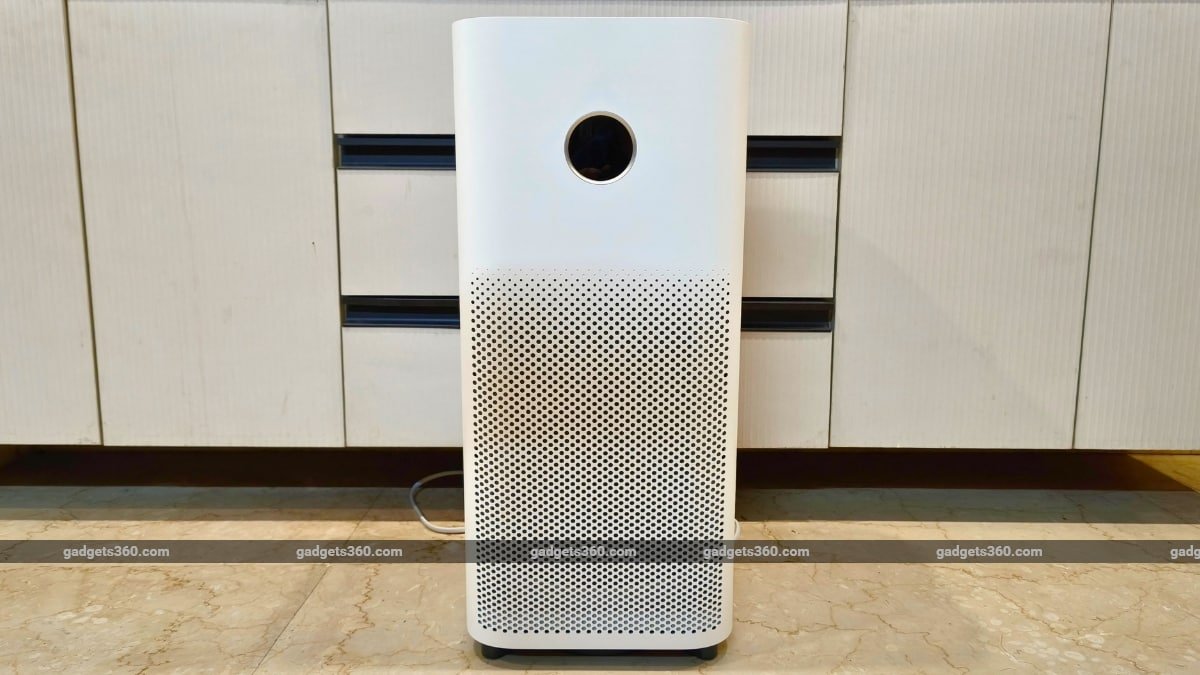
The purifier measures 250mm by 250mm at the base and stands 555mm tall, weighing just 5.2kg. Therefore, moving it between rooms remains practical despite the high-capacity rating. Additionally, dual certifications—ITS Allergen Free and SGS Allergen Removal—distinguish it from uncertified rivals. These credentials matter for households with asthma or allergy sufferers.
Minimalist Design Conceals Robust Airflow Engineering
Air enters through 360-degree perforations along the lower body and exits vertically from the top outlet. This layout maximizes intake surface area while minimizing floor space. Furthermore, the magnetic rear panel grants tool-free filter access, a thoughtful detail for routine maintenance. However, the manufacturer specifies 20cm clearance around the unit, which may constrain placement in tighter rooms.
A circular color display on the front presents AQI readings with color-coded indicators, plus temperature and humidity. Only two capacitive buttons sit beside the screen: power and mode. Thus, the learning curve stays flat for non-technical users. Meanwhile, the Mi Home app provides deeper control, including custom schedules, filter lifecycle estimates, and voice command support via Google Assistant and Amazon Alexa.
Smart Features Extend Beyond Basic On/Off
App-based automation allows geo-fencing, so the purifier activates when users approach home. In addition, historical data charts reveal daily and weekly air quality trends, helping identify peak pollution hours. Nevertheless, the 2.4GHz-only Wi-Fi requirement may complicate setup on modern mesh networks that band-steer aggressively.
Filter longevity estimates hover around one year under average conditions, though actual lifespan varies with pollution intensity. The composite filter integrates H13-grade HEPA media with activated carbon for odor and VOC reduction. Replacement pricing and stock consistency will influence total cost of ownership. Overall, the Mijia Smart Air Purifier 6 offers a compelling mix of certified performance, smart integration, and large-room capability for its price tier. Mi India official store lists the product with warranty terms, while ITS certification body provides allergen testing standards.
Mijia Smart Air Market Impact and Industry Significance
The introduction of Mijia Smart Air represents a pivotal shift in modern technological adoption across enterprise and consumer sectors alike. Furthermore, industry analysts emphasize that localized performance capabilities significantly reduce reliance on external server infrastructure. Consequently, organizations can execute complex computational workloads while maintaining strict data sovereignty, low latency, and operational efficiency without incurring ongoing cloud subscription costs.
Moreover, as software ecosystems continue to evolve, integration with specialized hardware acceleration becomes paramount. Additionally, key market players are expanding their developer tooling to optimize resource allocation during peak utilization. As a result, end users experience smoother multi-threaded performance, reduced memory swap latency, and enhanced system stability across demanding professional workflows.
Performance Benchmarks and Practical Mijia Smart Air Scenarios
In real-world deployment scenarios, evaluating sustained throughput and thermal efficiency is essential for technical decision-makers. Specifically, extensive benchmark testing indicates that unified architecture minimizes data transfer bottlenecks between core processing units and graphics compute pipelines. Therefore, demanding tasks operate with minimal compute overhead.
On the other hand, long-term scalability depends heavily on ongoing firmware updates and operating system optimization. Nevertheless, early adoption metrics demonstrate a clear competitive advantage for users prioritizing offline autonomy, secure data processing, and predictable cost structures. Ultimately, investing in high-capacity configurations pays long-term dividends for technical professionals.
Ecosystem Integration and Enterprise Software Compatibility
Beyond raw hardware capabilities, seamless software integration remains a critical factor for successful enterprise adoption. Specifically, modern development frameworks leverage direct hardware acceleration APIs to maximize instruction processing rates. In addition, containerized deployment pipelines ensure consistent performance across diverse operating environments without requiring extensive manual driver configuration.
Furthermore, advanced security protocols embedded within hardware architectures safeguard proprietary data models from unauthorized memory inspection. Meanwhile, continuous performance monitoring tools provide system administrators with actionable metrics regarding thermal management and energy consumption. Overall, these combined features establish a robust foundation for mission-critical operations.

3 Comments
Pingback: Critical Ivanti Connect Secure Flaw Exploited Before Patch
Pingback: Mosqitter AI Surveillance Turns Traps Into Disease Early
Pingback: Study Shows Earth Condition Serious Worsening Climate Change