


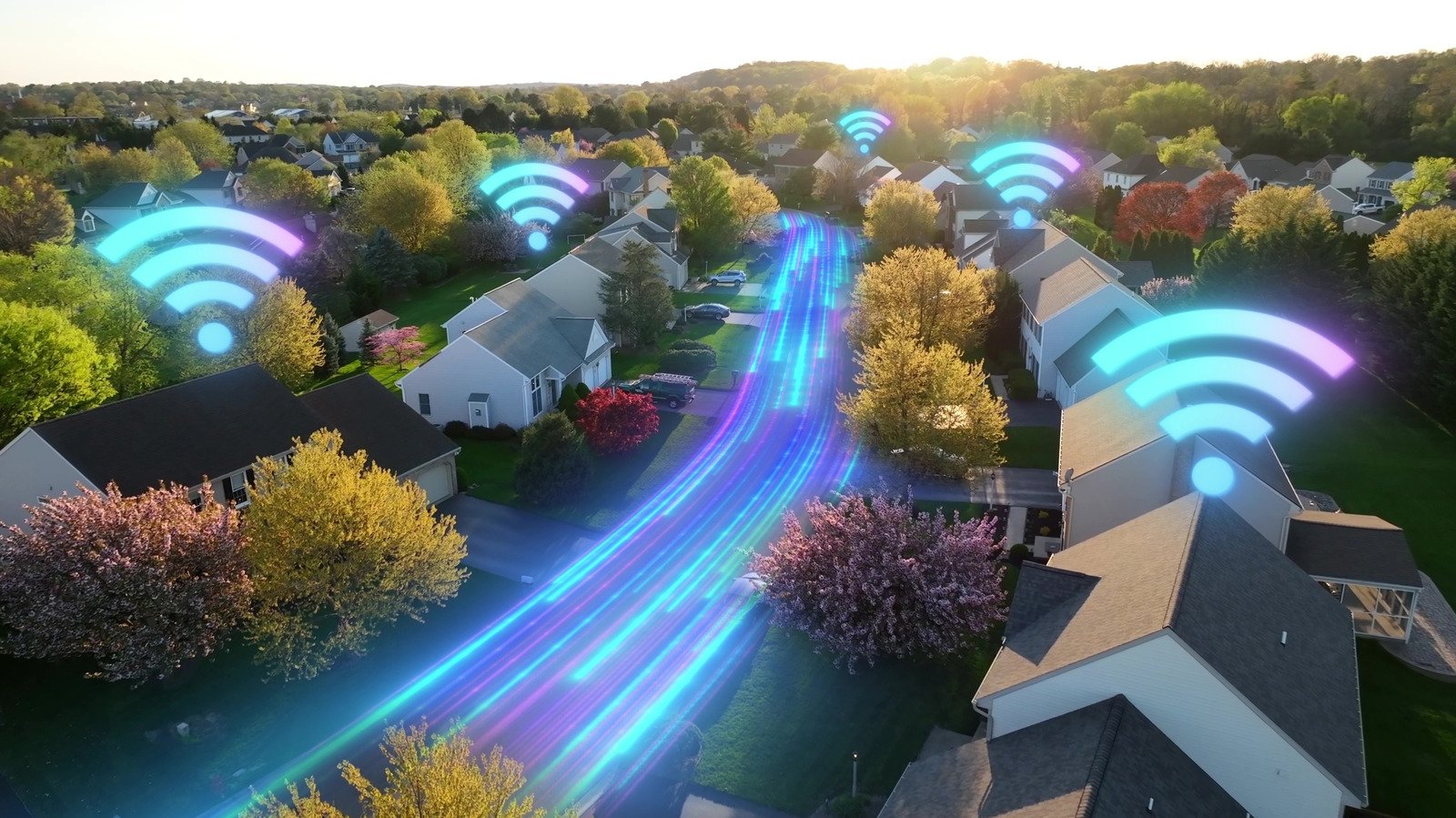
The Real Reason Home Internet Upload Speeds Are So Slow
Shopping for a new broadband plan reveals a frustrating technical disparity. While modern providers happily advertise download tiers hitting 1 Gbps, home internet upload speeds on those exact same plans rarely exceed 117 Mbps. Consumers often ask why upstream bandwidth remains trapped in the slow lane while downloads fly at lightning speeds.
As it turns out, network engineers designed these pipelines to match how people actually consume data. Almost every standard digital interaction involves downloading large files. Whether you are installing a massive video game patch, streaming high-definition music, or simply loading a media-heavy website, your router pulls vastly more data inward than it ever pushes outward. Because of this behavioral trend, providers prioritize your downstream pipe to keep everyday browsing snappy.
The Physical Hurdles of Legacy Copper Infrastructure
Physical hardware limitations create the biggest hurdle for upstream data. Traditional cable providers utilize aging coaxial copper wires originally engineered for one-way television broadcasts. Since traditional cable TV required zero communication from your home back to the studio, the entire infrastructure was optimized entirely for downstream delivery.
When broadband arrived, network architects used DOCSIS standards to push internet signals through these legacy cables. Because copper has strict bandwidth limits, providers had to choose how to split the pipeline. Naturally, they gave the lion’s share to downloads. Upgrading these networks with new hardware is expensive, which explains why cable companies move slowly. In contrast, modern fiber-optic lines utilize light pulses through glass, easily supporting identical upload and download speeds without breaking a sweat.
- Cable plans routinely offer 1 Gbps downloads alongside much smaller 117 Mbps uploads.
- Coaxial cables were designed decades ago for one-way television signals.
- Fiber internet bypasses copper limitations by using light signals.
- Upgrading cable infrastructure to new DOCSIS standards requires significant ISP investment.
Why This Matters to Everyday Users
Although some power users demand faster upstream performance for remote work and cloud backups, the average household benefits far more from asymmetric bandwidth allocation. Keeping most of the pipeline clear for downloads ensures smooth 4K streaming and fast software updates. For more insights on broadband infrastructure, check out resources like Speedtest Global Insights to see how regional network speeds compare globally. Ultimately, until fiber replaces copper in every neighborhood, slow uploads will remain a fact of life for cable subscribers.

6 Comments
Pingback: Apple Deploys New CarPlay Features Across Supported iPhones
Pingback: IEEE Reveals 2026 Technical Conferences Lineup
Pingback: Amazon Discounts Top-Rated Home Security Cameras Under Rs
Pingback: OpenAI Launches LLM and MCP Frameworks for Smart Agents
Pingback: Uber Expands Autonomous Fleet Service Across European Cities
Pingback: How Drone Attacks on Data centres Threaten Global AI Growth