


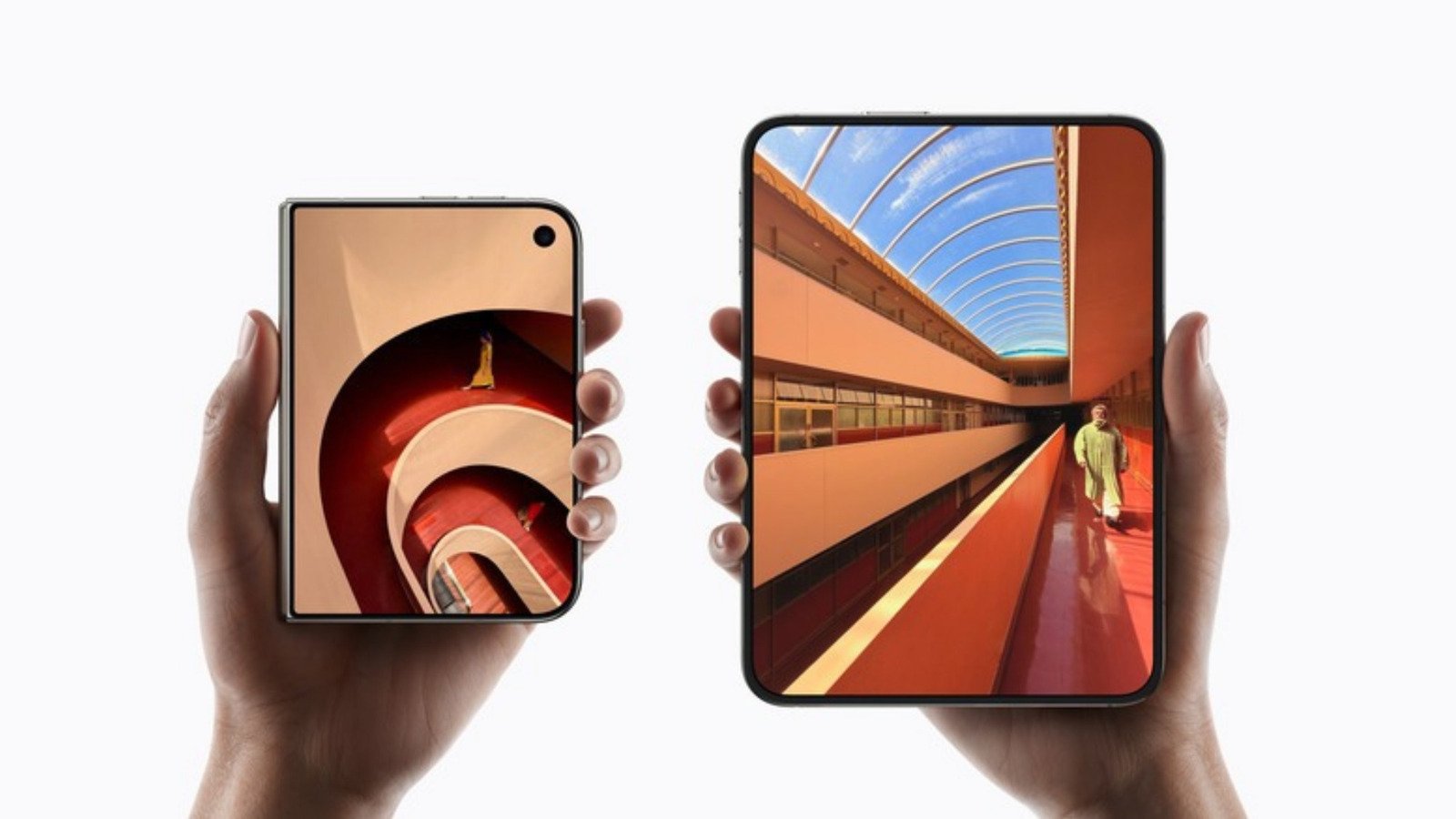
Foldable Phone: From Clunky Prototypes to Sleek Consumer Hardware
Hardware evolution is rarely a smooth path, especially when completely new form factors emerge. In 1984, the heavy DynaTAC 8000X offered thirty minutes of talk time for nearly $4,000. Decades later, early iterations of the modern foldable phone presented similar physical awkwardness. Carrying the Samsung Galaxy Z Fold 4 often meant dealing with pocket bulk that prompted curious questions from friends who mistook it for two separate devices taped together.
Even so, watching that inner display snap open into a larger tablet workspace provided an unforgettable tech experience. Today, newer hardware like the Google Pixel 11 Pro Fold and Samsung Galaxy Z Fold 8 demonstrate how far engineering teams have pushed flexible displays. Because Apple has finally launched the iPhone Duo, mainstream consumers are taking notice. This turning point, however, stems from years of costly hardware experiments.
Overcoming the Stumbles of Royole and Samsung
Industry forecasters dubbed 2019 the breakout period for any upcoming foldable phone, though reality proved far messier. Royole surprised the tech world at CES 2019 by launching the FlexPai, securing bragging rights for the first commercial flexible device. Although reviewers noted that the software felt janky and awkward, it proved that flexible OLED panels were commercially viable.
Samsung followed closely with its original Galaxy Fold, which immediately ran into severe durability complaints. Reviewers accidentally destroyed their screens by peeling off a critical protective film mistaken for a temporary factory sticker. Samsung had to halt shipments and re-engineer the hinge and display mechanisms. Those initial missteps established the importance of crease engineering and screen resilience.
- Royole FlexPai proved flexible OLED screens could ship globally.
- Samsung Galaxy Fold required emergency redesigns after screen peeling incidents.
- Apple iPhone Duo launch signals mainstream acceptance for flexible tech.
The Bottom Line for Future Mobile Buyers
That said, manufacturing processes have advanced significantly since those early stumbles. Today’s foldable phone benefits from ultra-thin glass and robust hinge designs that withstand thousands of daily folds without showing wear. Apple’s entry into this specific product category virtually guarantees that flexible screens will define the next decade of mobile computing.
While early adopters paid steep prices for fragile prototypes, current hardware delivers real reliability. Ultimately, the foldable phone has matured into a dependable powerhouse, proving that perseverance pays off in consumer electronics.
For full official background and direct documentation, read the source coverage on Engadget.com Reporting.
