


One of the easiest ways for a gadget maker to grab attention is to promise extraordinary battery life, and in the smart glasses category, that kind of claim carries even more weight. These devices sit on your face, which means every extra gram and every added component, including the battery, has to be worked in carefully without making the frames bulky or uncomfortable.
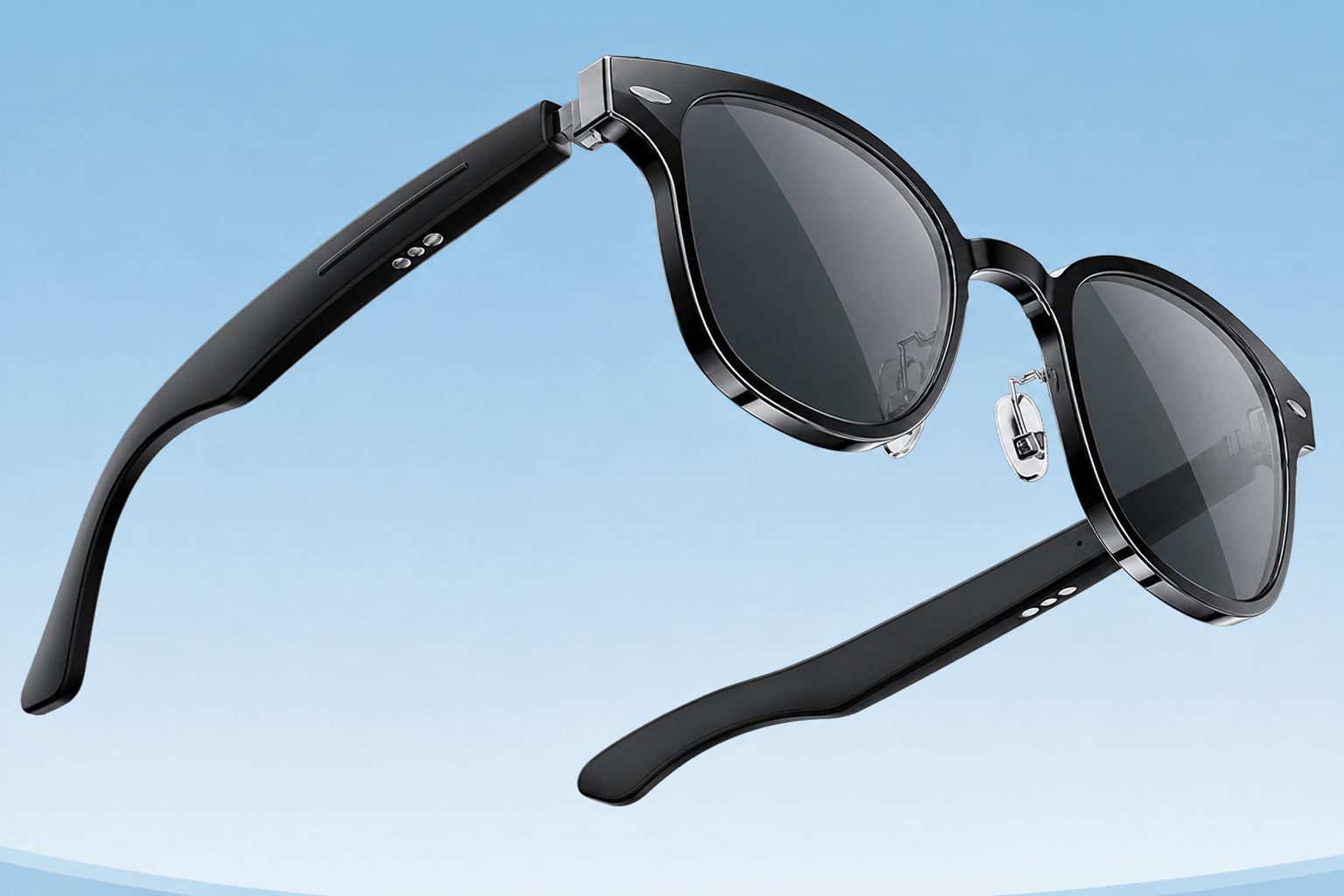
That’s what made Rogbid’s $70 VisionW smart glasses so eye-catching. At first glance, they resemble plenty of other smart glasses on the market. There’s no built-in display or camera, but they do offer audio playback and support for both ChatGPT and Grok, along with a choice of styles. Rogbid also markets the VisionW as a “3-in-1” design, with swappable frames meant for workouts, everyday wear, and office use.
How the VisionW Compares to Other Smart Glasses
In terms of hardware and functionality, the VisionW lines up more closely with Even Realities’ Even G2 than with Meta’s Ray-Ban AI glasses. The Even G2 skips audio entirely but includes a display and leans into productivity-focused AI features instead.
The Battery Claim That Raises Eyebrows
The real head-turner isn’t the design or the feature set, though. It’s the battery life. Rogbid states the VisionW can run for 39 straight days on a single charge. That number becomes even harder to believe once you factor in the battery size, listed at just 200mAh, which is smaller than the battery inside the Ray-Ban Meta Gen 2 AI glasses. For comparison, the Ray-Ban Meta Gen 2 typically lasts around eight hours under normal use.
Why the Numbers Don’t Quite Add Up
Granted, the VisionW skips two of the biggest power drains found in other smart glasses: a camera and a display. Cameras eat through battery quickly, and displays require substantial power to push light through waveguide lenses. Even accounting for that, a battery life claim stretching past a full month still seems like a stretch. Rogbid doesn’t clarify what “39 days” actually measures. Is that standby time, or occasional light use? If someone is regularly streaming Bluetooth audio through the glasses, it’s reasonable to expect that number to drop sharply.
Should You Trust the Claim?
There’s always a chance this estimate holds up, but between the unusually low price, the brand’s limited track record, and a battery claim that already sounds implausible on its face, buyers should temper their expectations. If you picked up a pair of these glasses today expecting more than a month of use, don’t be surprised if you’re reaching for the charger well before late September.

2 Comments
Pingback: Console Price Hikes Are Crushing Sony, Microsoft, and Nintendo Sales - techdrogo.com
Pingback: Grok Chatbot Is Spitting Out Gibberish Responses to Users - techdrogo.com