


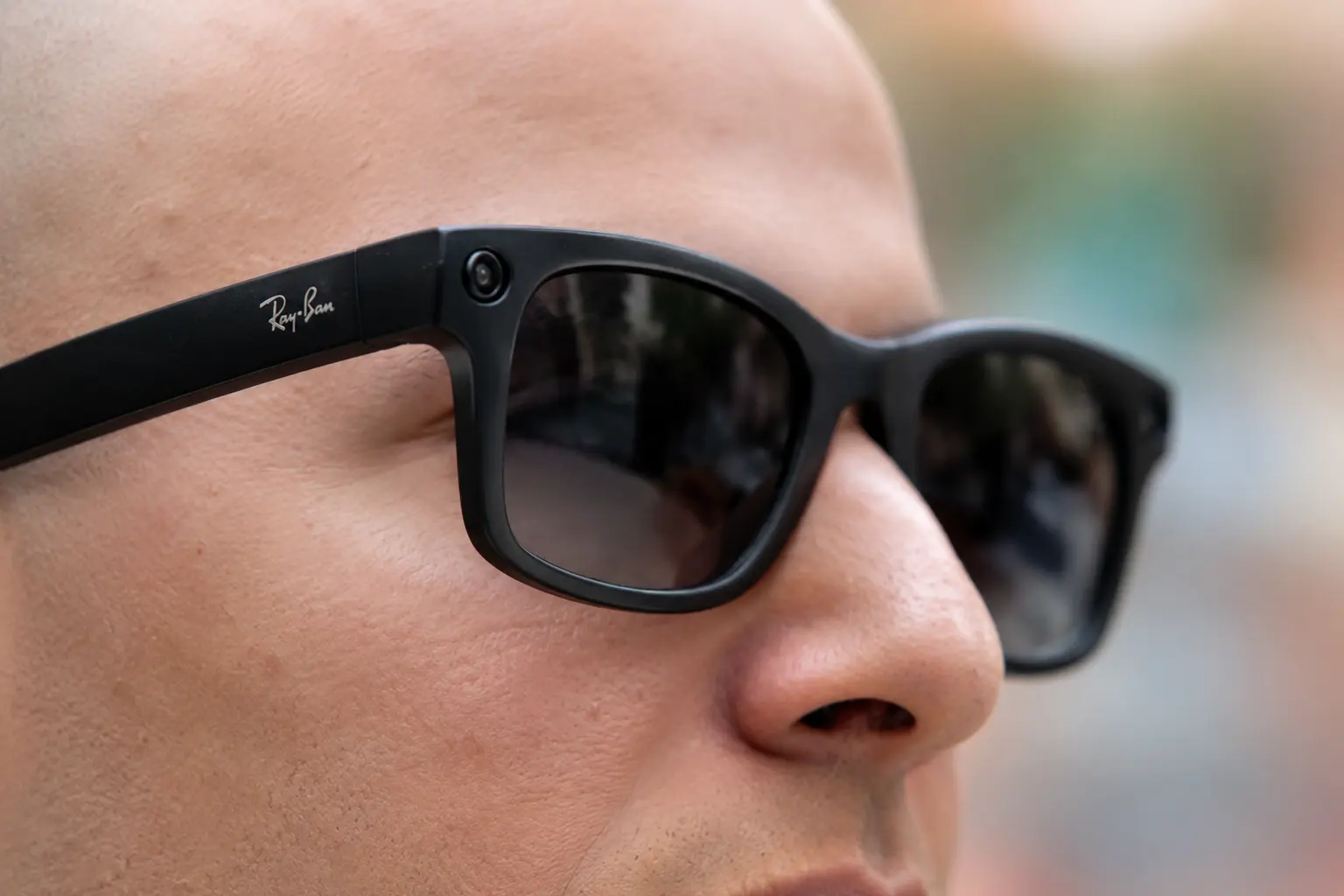
Smart glasses have drawn criticism from a wide range of groups, including privacy advocates, celebrities, and women who say the devices make covert recording too easy. Despite that backlash, one group appears to be embracing the technology: police officers.
Florida Sheriff’s Offices Confirm Purchases
A report from the Miami New Times, a Florida-based outlet, cites records obtained under the state’s Sunshine laws — which require police records to remain public — showing that at least two South Florida sheriff’s offices have bought Ray-Ban Meta AI glasses.
Documents posted to Muckrock, a site that compiles records obtained through Freedom of Information requests, show that one of those agencies, the Broward County Sheriff’s Office, purchased the glasses for its Internet Crimes Against Children unit, which handles undercover investigations. The Miami New Times notes that Broward’s sheriff’s office declined to elaborate further, citing its policy on surveillance techniques and procedures.
How Police Departments Use the Glasses
The second agency, the Okeechobee County Sheriff’s Office, told the Miami New Times that it uses its six pairs of Meta smart glasses for remote IT troubleshooting rather than investigative work.
Part of a Broader Law Enforcement Trend
These purchases aren’t the first instance of U.S. police using smart glasses, but they reflect a growing pattern. In April, security journalist Ken Klippenstein reported that the Department of Homeland Security is developing its own smart glasses for monitoring the U.S.-Mexico border. Records also indicate DHS wants to link the glasses to a biometric database, enabling automatic facial recognition matches. Separate reports have described ICE officers wearing Ray-Ban Meta AI glasses during immigration raids, and border agents allegedly using the devices to monitor protests.
Global Precedent and Privacy Concerns
What sets these newer reports apart is that the technology is moving beyond immigration enforcement and into everyday policing — echoing practices already seen abroad. Police departments in China have said they use smart glasses to locate missing people and manage everyday traffic.
For many observers, particularly privacy advocates, the pairing of law enforcement with easily deployable surveillance tools raises serious concerns, especially given the potential role of facial recognition technology.
