


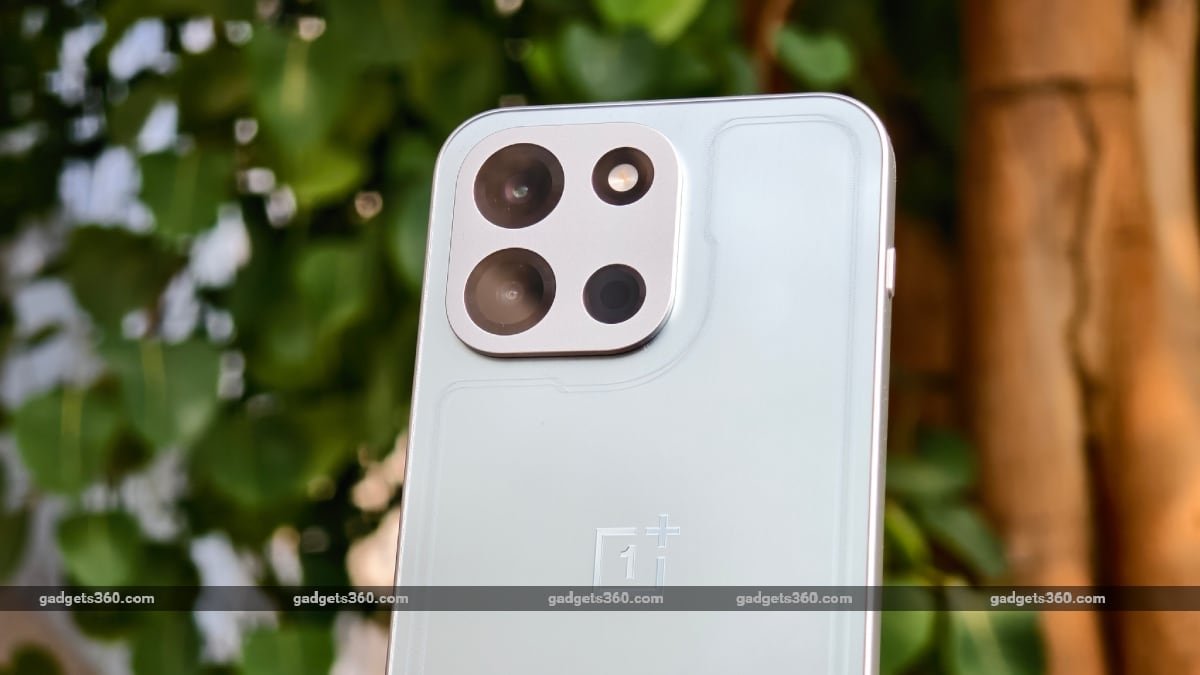
OnePlus Nord 6 Sets the Standard for Mid-Range Power
Smartphone pricing is shifting rapidly as supply chain adjustments force original equipment manufacturers to rethink their hardware strategies. Because RAM and storage expenses continue to fluctuate, finding genuine value requires careful consideration. In India, the sub-Rs. 45,000 category has emerged as a sweet spot, offering robust processing power without demanding flagship-tier expenditures. At the forefront of this category stands the OnePlus Nord 6, alongside capable rivals powered by Qualcomm Snapdragon silicon.
Manufacturers are leveraging modern 4nm chipsets to balance thermal efficiency and sustained gaming performance. Although component costs have risen across the broader tech industry, these mid-range contenders manage to pack remarkable specifications into sleek bodies. Here is a closer look at the hardware driving today’s most popular sub-Rs. 45,000 mobile releases.
Oneplus Nord 6: Hardware Specifications and Battery Dominance
Power delivery is where these devices truly shine. The OnePlus Nord 6 relies on an octa-core Snapdragon 8s Gen 4 chipset, positioning itself as the performance leader among current sub-Rs. 45,000 alternatives. Competing brands utilize energy-focused chips like the Snapdragon 6s Gen 4 to keep retail costs down while maintaining daily responsiveness.
Battery longevity is another critical factor for modern buyers who rely on their phones for productivity and entertainment throughout the day. To highlight what these handsets offer, consider the following specifications:
- OnePlus Nord 6 Processor: Snapdragon 8s Gen 4 octa-core SoC
- Redmi Note 17 Pro Processor: Snapdragon 6s Gen 4 octa-core SoC
- Battery Capacity: Massive 9,000mAh power cells equipped on both models
- Charging Speeds: 80W wired charging on OnePlus; 67W on Redmi
- Base Pricing: Starts at Rs. 44,999 for the OnePlus Nord 6
By pairing a massive 9,000mAh battery with fast charging support, these brands ensure that users spend less time tethered to power outlets. The OnePlus hardware even pushes charging speeds up to 80W.
Optics and Display Performance
Visual fidelity and camera quality often seal the deal for prospective buyers. The OnePlus Nord 6 features a 6.78-inch 1.5K AMOLED display capable of refreshing at an impressive 165Hz. This high refresh rate enhances scrolling fluidity and gaming responsiveness significantly compared to standard panels.
In the photography department, the device utilizes a dual rear camera setup anchored by a 50-megapixel primary shooter, accompanied by an 8-megapixel ultrawide sensor. For self-portraits, it integrates a 32-megapixel front camera, doubling the resolution found on several competing devices in the same price tier.
The Bottom Line for Indian Consumers
Navigating the current mobile market requires balancing cost against raw capability. Supply chain pressures may drive up prices, but segments below Rs. 45,000 still provide exceptional options for power users. The OnePlus Nord 6 proves that mid-range handsets can deliver flagship-grade battery endurance, high refresh rates, and fast charging speeds.
Whether you prioritize a high-end processor or cost-effective everyday reliability, modern Qualcomm-powered phones offer compelling choices. To stay updated on mobile hardware advancements, visit Android’s official platform updates for more industry insights.
Oneplus Nord 6 Market Impact and Industry Significance
The introduction of Oneplus Nord 6 represents a pivotal shift in modern technological adoption across enterprise and consumer sectors alike. Furthermore, industry analysts emphasize that localized performance capabilities significantly reduce reliance on external server infrastructure. Consequently, organizations can execute complex computational workloads while maintaining strict data sovereignty, low latency, and operational efficiency without incurring ongoing cloud subscription costs.
Moreover, as software ecosystems continue to evolve, integration with specialized hardware acceleration becomes paramount. Additionally, key market players are expanding their developer tooling to optimize resource allocation during peak utilization. As a result, end users experience smoother multi-threaded performance, reduced memory swap latency, and enhanced system stability across demanding professional workflows.

1 Comment
Pingback: Plaud Note Pro Brings Credit Card Thin AI to India